 November 2022 in “Journal of Investigative Dermatology”
 The study found that skin inflammation and immune response pathways are activated in Solar Urticaria patients after UV exposure, unlike in healthy people.
 10 citations
,
July 2022 in “Dermatology and Therapy”
10 citations
,
July 2022 in “Dermatology and Therapy” Melasma's causes include genetics, sun exposure, hormones, and oxidative stress, and understanding these can help create better treatments.
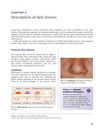
The document explains different types of skin lesions and their characteristics, causes, and related conditions.
April 2026 in “IntechOpen eBooks” Burn injuries can cause long-term itching, skin color changes, and cancer risks, needing personalized treatment.
34 citations
,
October 2011 in “Journal of the American Academy of Dermatology” Sarcoidosis is more common and severe in Black patients than in Caucasians, requiring early diagnosis and treatment.
4 citations
,
March 2005 in “Archives of Pathology & Laboratory Medicine” Basal cell carcinoma may originate from vellus hair cysts.
21 citations
,
December 1994 in “Journal of Investigative Dermatology”  November 2023 in “Journal of cosmetic dermatology”
 The 595-nm pulsed dye laser effectively reduces symptoms of EFFC with minimal side effects.
 June 2023 in “Pediatric investigation”
 A boy's scalp infection, usually found on the body, was effectively treated with antifungal cream.
February 2009 in “Journal of the American Academy of Dermatology” Both skin products were equally effective in improving facial discoloration and skin quality.
January 2018 in “Florence Research (University of Florence)” Melanoma and vitiligo patients have different gut fungi and bacteria compared to healthy people.
January 2026 in “JDDG Journal der Deutschen Dermatologischen Gesellschaft” A 5-year-old boy has Nevus Comedonicus Syndrome, causing skin lesions and a cataract.
 January 2007 in “Journal of the American Academy of Dermatology”
 A 73-year-old man's grey-white hair turned dark brown after eczema treatment.
March 2026 in “Oral Presentations” March 2004 in “Journal of Investigative Dermatology” Razor bumps are linked to a genetic variant, misoprostol helps erythromelalgia pain, steroid ointments don't affect skin rhythms, and certain antibodies are common in localized scleroderma.
303 citations
,
August 1971 in “The American Journal of Medicine” Melanocytes are destroyed by factors needed for melanin production, causing vitiligo and gray hair.
 3 citations
,
January 2018 in “Indian Dermatology Online Journal”
3 citations
,
January 2018 in “Indian Dermatology Online Journal” Most pregnant women in Northeast India experience normal skin changes, with specific pregnancy-related skin conditions being rare.
April 2005 in “Journal of Investigative Dermatology” Vitamin D helps protect skin, PSORS1 gene's risk interval for psoriasis is expanded, hair follicles can be generated from mouse cells, and interferon-γ may cause pigmented skin lesions.

Surgical repigmentation can permanently restore color to white hair in vitiligo patients.
 14 citations
,
April 2016 in “British Journal of Dermatology”
14 citations
,
April 2016 in “British Journal of Dermatology” The study found that the most common repigmentation pattern in children with vitiligo is a combination of patterns, with a new medium spotted pattern identified.
13 citations
,
January 1985 in “International Journal of Dermatology” The document found differences in lesion distribution and microscopic features among trichostasis spinulosa and similar skin conditions.
November 2025 in “Journal of Investigative Dermatology” Dark skin has stronger barriers and structure due to specific gene activity.
5 citations
,
July 2009 in “Clinical and experimental dermatology” 2 citations
,
December 2013 in “Journal of Cosmetic Dermatology” UV treatment can damage hair, so protection is advised.
May 2007 in “Bioline International (Bioline International)” Pregnant women often experience various skin changes, with pigment changes and stretch marks being most common.
September 2025 in “Acta Medica International” The triple wavelength laser is effective, safe, and well-tolerated for hair reduction in Indian women.
November 2021 in “Zenodo (CERN European Organization for Nuclear Research)” Understanding the 2D:4D digit ratio in vitiligo patients may help in clinical assessments.
 January 2015 in “Indian Journal of Dermatology, Venereology and Leprology”
 The document concludes that various skin conditions have specific characteristics and treatments, and highlights the importance of vitamin D in managing these dermatological issues.
Vitamin D is made by the skin, helps control various body functions, and affects skin health and immunity.
 April 2024 in “The Indonesian Biomedical Journal”
 Melanocyte stem cells from non-affected skin in vitiligo patients can become functional melanocytes for potential therapy.