15 citations
,
July 2022 in “Biomedicines” UGRSKIN absorbs UV like native skin after 21-28 days, making it potentially suitable for clinical use.
 December 2023 in “International journal of research in dermatology”
 Most pregnant women experience common skin changes like linea nigra and stretch marks.
 14 citations
,
July 2012 in “Journal of the American Academy of Dermatology”
14 citations
,
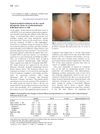
July 2012 in “Journal of the American Academy of Dermatology” Topical tacalcitol ointment can help improve symptoms of EFFC.
 May 2015 in “Journal of The American Academy of Dermatology”
 A heart transplant patient developed a skin condition called epidermodysplasia verruciformis after taking immune-suppressing drugs.
1 citations
,
May 2016 in “Journal of Cosmetic Dermatology” Cytokeratins 15 and 19 may help track vitiligo treatment progress.
April 2026 in “The Journal of Dermatology” Vitiligo patients have higher risks of autoimmune diseases, infections, and skin cancer.
 January 2023 in “Pakistan Armed Forces Medical Journal”
 People with vitiligo tend to have lower vitamin D levels.
 2 citations
,
November 2022 in “IP Indian journal of clinical and experimental dermatology”
2 citations
,
November 2022 in “IP Indian journal of clinical and experimental dermatology” Dermoscopic and histopathological features combined can help diagnose Pityriasis versicolor.
January 2018 in “Acta dermato-venereologica” 7 citations
,
January 2008 in “Indian Journal of Dermatology” Pigmentary mosaicism causes skin color changes and can affect multiple body systems, but has no cure.
15 citations
,
December 2009 in “PubMed” A child with eruptive vellus hair cysts showed some improvement with calcipotriene cream.
April 2018 in “Dermatologic Surgery” April 2016 in “Journal of the American Academy of Dermatology” Treatment improved some symptoms but not all.
16 citations
,
January 1998 in “PubMed” Sun exposure and genetics increase skin cancer risk from precancerous lesions.
8 citations
,
July 2001 in “JEADV. Journal of the European Academy of Dermatology and Venereology/Journal of the European Academy of Dermatology and Venereology” New treatments for vitiligo show promise but still face challenges, especially for hands and feet.
September 2012 in “British Small Animal Veterinary Association eBooks” The document concludes that pigmentation disorders in animals involve complex interactions between melanocytes and keratinocytes.
 80 citations
,
March 2000 in “Journal of cutaneous pathology”
80 citations
,
March 2000 in “Journal of cutaneous pathology” The VVG stain effectively differentiates scar tissue from normal skin and helps classify types of permanent alopecia.
 April 2023 in “International journal of dermatology and venereology”
 Dermoscopic features can help identify and differentiate types of pityriasis versicolor.
June 2026 in “Indian Dermatology Online Journal” A supernumerary nipple was correctly identified using dermoscopy, avoiding misdiagnosis.

Treating vitiligo with stem cells and melanocytes from hair, along with UVB light, works better than without the light.
9 citations
,
June 2009 in “Cell Proliferation” Cream 1 protects skin nerve endings from UV damage.
1 citations
,
July 2014 in “The journal of investigative dermatology/Journal of investigative dermatology” Light affects skin health, aging, and cancer risk, and new light-based treatments and imaging are promising for skin care.
1 citations
,
June 2011 in “InTech eBooks” Darker skin provides more protection against UV damage and cancer.
 12 citations
,
April 1990 in “PubMed”
12 citations
,
April 1990 in “PubMed” Pregnancy can cause skin changes like pigmentation, stretch marks, and temporary hair loss, which often worry the expectant individual.
 May 2026 in “International Journal of Drug Delivery Technology”
 Accurate diagnosis of EFFC is crucial for effective counseling and cosmetic care.
December 2021 in “Figshare” New therapies like JAK inhibitors and stem cells show promise for treating vitiligo.
1 citations
,
December 2023 in “Skin Research and Technology” Combining hair follicle transplantation and a 308 nm excimer laser effectively treats perioral vitiligo without unwanted hair growth.
3 citations
,
August 2017 in “Clinical case reports” A rare skin condition causes red and dark patches on the face and limbs.
 January 2021 in “Journal of clinical and cosmetic dermatology”
 Human skin responds to light with protective mechanisms, but more research is needed to understand these processes and their implications for health and therapy.