March 2026 in “Journal of Investigative Dermatology” Generative AI tools like GPT-4o can effectively automate SALT scoring for alopecia areata, matching clinician accuracy.
January 2026 in “Figshare” January 2026 in “Figshare” April 2024 in “Indian Journal of Paediatric Dermatology” Children with alopecia areata in Singapore generally have a good quality of life.
5 citations
,
April 2024 in “JAAD International” AI can accurately measure hair loss severity in alopecia areata.
July 2025 in “Anais Brasileiros de Dermatologia” The Brazilian version of the Alopecia Areata Quality of Life Index is reliable for assessing patients' quality of life.
 9 citations
,
January 2014 in “Postepy Dermatologii I Alergologii”
9 citations
,
January 2014 in “Postepy Dermatologii I Alergologii” The Polish Skindex-29 is a reliable and valid questionnaire for assessing the quality of life in Polish dermatology patients.
March 2026 in “Pediatric Dermatology” Generative AI tools can accurately score alopecia areata, reducing subjectivity in evaluations.
 18 citations
,
May 2020 in “Biomolecules”
18 citations
,
May 2020 in “Biomolecules” Spironolactone, a heart and liver drug, has new uses including cancer treatment, viral infection prevention, and skin condition improvement.
 January 2024 in “Scientific reports”
 Egyptian Mint effectively kills mosquito larvae and inhibits certain bacteria.
 January 2019 in “Springer eBooks”
 Acne can appear or persist in adulthood due to hormonal changes, external factors, or substance use, and requires appropriate treatment.
 9 citations
,
December 2012 in “The Journal of Dermatology”
9 citations
,
December 2012 in “The Journal of Dermatology” Wearing wigs or hairpieces improves self-esteem, adaptability, and competence in women with alopecia areata.
June 2024 in “British Journal of Dermatology” Alopecia areata greatly affects quality of life, especially mental health, and newer assessment tools better capture this impact than older ones.
 2 citations
,
December 2018 in “International Journal of Dermatology”
2 citations
,
December 2018 in “International Journal of Dermatology” New grading scale accurately measures hair loss severity and treatment effectiveness.
 8 citations
,
June 2020 in “Dermatologic Therapy”
8 citations
,
June 2020 in “Dermatologic Therapy” Hair loss lowers quality of life, causing embarrassment, frustration, and sexual rejection.
6 citations
,
January 2020 in “Open Journal of Psychiatry” The Greek DCQ is a reliable and valid tool for assessing dysmorphic concern.
October 2022 in “The Laryngoscope” The InCISE score is a promising tool for assessing wound healing in head and neck surgery but needs more research for broader use.
 July 2022 in “Journal of Investigative Dermatology”
 The conclusion suggests that a new system for measuring hair loss could be created using automated analysis of photographs.
 27 citations
,
January 2016 in “Quality of Life Research”
27 citations
,
January 2016 in “Quality of Life Research” The PCOSQ-50 is a valid and reliable questionnaire for measuring quality of life in Iranian women with PCOS.
1 citations
,
January 2026 in “International Journal of Dermatology” The BEARD Score helps assess beard hair loss in alopecia areata for better treatment.
November 2019 in “Journal of Vertebrate Biology” QIA-64 software can measure straight wire lengths accurately but needs improvement for curved wires and width measurements.
 5 citations
,
June 2024 in “Cureus”
5 citations
,
June 2024 in “Cureus” The methods tested are reliable for assessing dandruff reduction.
 October 2023 in “The Journal of Dermatology”
 The HSVS-A is an effective tool for quickly screening hair shedding in Asian women.
 5 citations
,
October 2021 in “Vlaams Diergeneeskundig Tijdschrift”
5 citations
,
October 2021 in “Vlaams Diergeneeskundig Tijdschrift” The protocol is easy to use, but reliable results need the same person to assess each time.
 1 citations
,
September 2017
1 citations
,
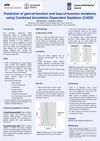
September 2017 C-scores can help predict gain-of-function and loss-of-function mutations.
2 citations
,
July 2024 in “Journal of Cosmetic Dermatology” The HAIR-Q is a reliable tool for assessing patient satisfaction with hair loss treatments.
 June 2026 in “arXiv (Cornell University)”
 The new method improves SNP analysis in genetic studies by combining tests, enhancing accuracy and cost-effectiveness.
 45 citations
,
January 1999 in “Dermatology”
45 citations
,
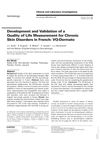
January 1999 in “Dermatology” The VQ-Dermato is a reliable French questionnaire for measuring quality of life in chronic skin disorder patients.
86 citations
,
January 2020 in “British Journal of Dermatology” The AA-IGA scale reliably measures treatment success in alopecia areata by considering both clinician and patient views.
5 citations
,
February 2023 in “Skin Health and Disease” The Swedish Hairdex-S is a reliable tool for assessing quality of life in Alopecia Areata patients.