58 citations
,
April 1993 in “Developmental Biology” bFGF delays hair growth in mice.
May 2013 in “Faculty Opinions – Post-Publication Peer Review of the Biomedical Literature” A balance between BMP and Wnt signals is crucial for hair follicle stem cell function and hair growth.
 166 citations
,
April 2012 in “Journal of The American Academy of Dermatology”
166 citations
,
April 2012 in “Journal of The American Academy of Dermatology” Mostly postmenopausal Caucasian women get Frontal Fibrosing Alopecia, which often includes eyebrow loss and has limited treatment success.
 January 2015 in “Hair transplant forum international”
 The document's conclusion cannot be provided because the content is not available.
 20 citations
,
January 2017 in “Scientific reports”
20 citations
,
January 2017 in “Scientific reports” Whale genes show changes that help them live in water, like less hair and better flippers.
Frontal Fibrosing Alopecia mainly affects postmenopausal women and is linked to thyroid disease, hyperlipidemia, and anemia.
September 2023 in “World Rabbit Science” The FRZB gene slows hair growth in rabbits.
 6 citations
,
January 2018 in “International Journal of Trichology”
6 citations
,
January 2018 in “International Journal of Trichology” A married couple both developed a rare type of hair loss, possibly due to shared environmental factors.
 8 citations
,
November 2018 in “Australasian Journal of Dermatology”
8 citations
,
November 2018 in “Australasian Journal of Dermatology” Frontal fibrosing alopecia in families shows similar signs to individual cases and may have a genetic link.
November 2024 in “Dermatology and Therapy” Dermatologists should carefully choose treatments for FFA to avoid worsening the condition.
 6 citations
,
January 2017 in “British Journal of Dermatology”
6 citations
,
January 2017 in “British Journal of Dermatology” Frontal fibrosing alopecia is a scarring hair loss condition mainly affecting older women, with no known cause and treatments that may help stabilize hair loss.
 4 citations
,
April 2018 in “Biotechnology Letters”
4 citations
,
April 2018 in “Biotechnology Letters” Human growth factor 20 can boost mouse whisker growth.
 155 citations
,
September 2008 in “British journal of dermatology/British journal of dermatology, Supplement”
155 citations
,
September 2008 in “British journal of dermatology/British journal of dermatology, Supplement” FFA is more common in postmenopausal women, can affect younger women, and may stabilize over time.
 August 2015 in “Dermatología Argentina”
 Frontal fibrosing alopecia causes hairline recession and eyebrow loss in postmenopausal women.
1 citations
,
June 2025 in “Journal of Clinical Medicine” Frontal fibrosing alopecia often occurs after menopause, with delayed diagnosis and possible links to certain medications and conditions.
December 2018 in “International journal of women’s dermatology” FFA in young women is often missed, and no single treatment works best.
July 2026 in “Journal of Investigative Dermatology”  2 citations
,
July 2023 in “International Journal of Molecular Sciences”
2 citations
,
July 2023 in “International Journal of Molecular Sciences” BFNB could be a promising treatment for hair growth.
Knocking out the FGF5 gene in sheep increased wool production and hair-follicle density.
18 citations
,
January 2013 in “Journal of Investigative Dermatology” WIF1 helps keep skin stem cells inactive to prevent excessive cell growth.
 39 citations
,
July 2015 in “British Journal of Dermatology”
39 citations
,
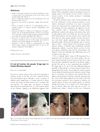
July 2015 in “British Journal of Dermatology” The pseudo 'fringe sign' can also appear in frontal fibrosing alopecia, not just in traction alopecia, showing that this condition may be more common than thought.
July 2024 in “Journal of Investigative Dermatology” JW0061 may be a new treatment for hair loss by promoting hair growth through WNT signaling.
 May 2019 in “Anais brasileiros de dermatologia/Anais Brasileiros de Dermatologia”
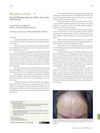
 Frontal fibrosing alopecia mostly affects postmenopausal women, with diagnosis often delayed by 3 years.
August 2019 in “Journal of the American Academy of Dermatology” Frontal fibrosing alopecia may be caused by an autoimmune reaction and hormonal imbalance.
17 citations
,
July 2022 in “Advances in Wound Care” Fibroblasts play a crucial role in the body's response to implants, needing more research for better treatments.
475 citations
,
October 2006 in “Proceedings of the National Academy of Sciences” Folliculin helps regulate energy and nutrient sensing, impacting Birt–Hogg–Dubé syndrome.
 71 citations
,
October 2008 in “The journal of investigative dermatology/Journal of investigative dermatology”
71 citations
,
October 2008 in “The journal of investigative dermatology/Journal of investigative dermatology” HFMs can help study hair growth and test potential hair growth drugs.
 October 2020 in “International Journal of Research in Dermatology”
 The review suggests more research is needed to understand Frontal fibrosing alopecia, a condition causing hairline recession in postmenopausal women.
April 2021 in “Journal of Investigative Dermatology” Blocking DPP4 can help prevent fat loss and skin fibrosis.
 May 2015 in “Journal of the American Academy of Dermatology”
 Certain drugs and supplements may contribute to hair loss in the frontal hairline in older women.