 5 citations
,
November 2021 in “Saudi medical journal”
5 citations
,
November 2021 in “Saudi medical journal” The document reports three sisters with Woodhouse-Sakati syndrome showing typical symptoms and unusual gynecological anomalies.
 39 citations
,
January 2019 in “Cells”
39 citations
,
January 2019 in “Cells” Gene therapy has potential as a future treatment for Hutchinson-Gilford progeria syndrome.
13 citations
,
July 2024 in “BMC Genomics” New genes and markers can help breed better cashmere goats.
 1 citations
,
July 2024 in “Indian Journal of Case Reports”
1 citations
,
July 2024 in “Indian Journal of Case Reports” GAPO syndrome causes growth issues, hair loss, missing teeth, and vision problems.
 October 2023 in “Clinical, Cosmetic and Investigational Dermatology”
 Supplemented Erzhi Wan may help regrow hair in male pattern baldness by affecting certain cell signaling pathways.
1 citations
,
September 2025 in “The Oncologist” Effective management of side effects is crucial for safe use of sacituzumab govitecan in advanced breast cancer treatment.
CMV infection increases the risk of GvHD after bone marrow transplants.
 January 2025 in “Cell Communication and Signaling”
 CXXC5 can both suppress and promote cancer, making it a complex target for treatment.
6 citations
,
January 2020 in “Open Journal of Psychiatry” The Greek DCQ is a reliable and valid tool for assessing dysmorphic concern.
578 citations
,
April 1993 in “Cell” TGFα gene mutation in mice causes abnormal skin, wavy hair, curly whiskers, and sometimes eye inflammation.
 1 citations
,
November 2022 in “Journal of the Endocrine Society”
1 citations
,
November 2022 in “Journal of the Endocrine Society” Adults with classic congenital adrenal hyperplasia value medication that prevents weight gain from glucocorticoids the most.
 September 2025 in “Cureus”
 There is no standard treatment for CCCA, and practices vary widely.
 62 citations
,
March 2011 in “European journal of endocrinology”
62 citations
,
March 2011 in “European journal of endocrinology” Some parents have a mild form of congenital adrenal hyperplasia without symptoms, and they usually don't need treatment.
February 2022 in “The Nurse Practitioner” The document aimed to improve healthcare providers' understanding of hormone therapy for transgender and nonbinary patients.
 August 2013 in “Gastroenterology”
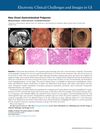
 A 60-year-old man with Cronkhite-Canada syndrome improved with treatment, but the condition has a high mortality rate and a risk of colorectal cancer.
November 2025 in “ACS Omega” The films can help heal wounds by promoting blood vessel growth.
May 2019 in “Journal of Acupuncture Research” Sebalgukhwa-san (SGS) can help treat hair loss without liver toxicity.
1 citations
,
November 2016 in “Frontiers in neurology” Steroid treatment improved both gut and nerve symptoms in a man with Cronkhite–Canada syndrome.
 9 citations
,
January 1997 in “Endocrine Journal”
9 citations
,
January 1997 in “Endocrine Journal” Gonadal biopsy is the best method to diagnose gonadal dysgenesis.
November 2025 in “Clinical and Translational Medicine” DNAJB9 cfRNA could help diagnose and treat female hair loss.
1 citations
,
October 2020 in “Research Square (Research Square)” A genetic variant in goats is linked to cashmere growth.
 37 citations
,
August 2016 in “Clinical, Cosmetic and Investigational Dermatology”
37 citations
,
August 2016 in “Clinical, Cosmetic and Investigational Dermatology” The document concludes that better treatments for CCCA are needed and more research is required to understand its causes related to hairstyling and genetics.
April 2026 in “Clinical Case Reports” A strict gluten-free diet can improve liver issues in celiac disease.
 March 2025 in “Frontiers in Pharmacology”
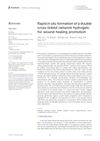
 The hydrogel dressing rapidly heals wounds and promotes blood clotting better than existing options.
 December 2025 in “Frontiers in Endocrinology”
 High chromogranin A levels are linked to obesity and inflammation in polycystic ovary syndrome.

Wild African goats have genetic adaptations for surviving harsh desert conditions.
 April 2025 in “Antioxidants”
 Rhus semialata gall extract and Penta-O-Galloyl-β-D-Glucose may effectively reduce hair loss.

Hair loss in African American women, caused by hair care, genetics, and environment, needs more research for better treatment.
 11 citations
,
October 2021 in “Carbohydrate Polymers”
11 citations
,
October 2021 in “Carbohydrate Polymers” Ginkgo biloba polysaccharides may reduce inflammation and promote hair growth in mice with hair loss.
 May 2024 in “Animal genetics”
 A cat's poor wound healing was linked to a genetic deletion in the COL5A1 gene.