 6 citations
,
March 2008 in “Dermatologic Surgery”
6 citations
,
March 2008 in “Dermatologic Surgery” Transplanting chest hair into scars can effectively treat wide donor scars from hair restoration surgery.
 June 2004 in “Dermatologic Surgery”
 The single-scar technique in hair transplantation minimizes scarring and preserves hairs for future use, with proper training overcoming its perceived drawbacks.
 22 citations
,
October 2014 in “International Journal of Trichology”
22 citations
,
October 2014 in “International Journal of Trichology” Hair restoration surgery can lead to swelling, infections, scarring, numbness, hiccups, and poor hair growth.
 15 citations
,
November 2008 in “Facial Plastic Surgery”
15 citations
,
November 2008 in “Facial Plastic Surgery” Hair restoration can sometimes result in unnatural-looking hair, wide scars, and poorly designed hairlines, but these issues can be corrected with careful planning, various techniques, and possibly medical therapy.
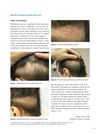 11 citations
,
June 2008 in “Dermatologic Surgery”
11 citations
,
June 2008 in “Dermatologic Surgery” Transplanting chest hair into scalp scars may effectively treat wide donor scars in hair restoration.
 40 citations
,
December 1980 in “The Journal of Dermatologic Surgery and Oncology”
40 citations
,
December 1980 in “The Journal of Dermatologic Surgery and Oncology” An improved scalp reduction technique reduces the need for hair grafts and has minimal complications.
75 citations
,
September 2007 in “Journal of Heredity” FGF5 gene mutations cause long hair in domestic cats.
 17 citations
,
July 2014 in “Our Dermatology Online”
17 citations
,
July 2014 in “Our Dermatology Online” Older adults have a wide range of skin conditions, with dry skin being very common and many also experiencing skin growths, itching, and infections.
 9 citations
,
November 2008 in “Facial Plastic Surgery”
9 citations
,
November 2008 in “Facial Plastic Surgery” Effective scalp reconstruction requires a wide range of surgical skills and an understanding of hair biology.
 26 citations
,
February 2011 in “Journal of Plastic Reconstructive and Aesthetic Surgery”
26 citations
,
February 2011 in “Journal of Plastic Reconstructive and Aesthetic Surgery” Technique effectively treats deformities, achieves re-pigmentation, and releases scar contractures.
 6 citations
,
May 2004 in “Dermatologic Surgery”
6 citations
,
May 2004 in “Dermatologic Surgery” The article concludes that using the single-scar technique for hair transplants can result in a more attractive scar and that concerns about the technique can be managed with proper methods.
October 2022 in “Hair Transplantation” Improving donor scar appearance in hair transplants involves careful technique and addressing factors like tension, scalp elasticity, and patient habits.
5 citations
,
December 2022 in “Genes” Genetic differences affect how people respond to COVID-19.
 July 2021 in “International Journal of Research in Ayurveda and Pharmacy”
 Natural plant compounds may offer safer COVID-19 treatments with fewer side effects.
35 citations
,
October 2003 in “Dermatologic clinics” Laser therapy on darker skin has higher risks and needs expert handling.
 June 2004 in “Dermatologic Surgery”
 The commentary suggests that using a single-scar technique for hair transplants can give good cosmetic results, but some surgeons hesitate to use it despite ways to address their concerns.
 November 2009 in “Medical & surgical dermatology”
 The document concludes that Borrelia afzelii causes a skin condition in France, a gene is linked to hair loss in Caucasian women, and various genetic mutations affect skin diseases.
 2 citations
,
July 2023 in “bioRxiv (Cold Spring Harbor Laboratory)”
2 citations
,
July 2023 in “bioRxiv (Cold Spring Harbor Laboratory)” COVID-19 causes more taste, smell, hair, memory, and concentration issues than other respiratory infections.
 11 citations
,
August 2023 in “Burns”
11 citations
,
August 2023 in “Burns” Nerve growth factor helps improve healing time and scar quality in burn wounds.

Wild African goats have genetic adaptations for surviving harsh desert conditions.
31 citations
,
August 1986 in “Plastic & Reconstructive Surgery” Nonabsorbable sutures cause less wound stretching and scarring than absorbable ones.
61 citations
,
April 2023 in “Bioactive Materials” Microneedles are effective for painless drug delivery and promoting wound healing and tissue regeneration.
 3 citations
,
May 2004 in “Journal of neurosurgery”
3 citations
,
May 2004 in “Journal of neurosurgery” Endoscopy-assisted surgery for craniosynostosis showed excellent outcomes with minimal complications and most patients went home the day after surgery.
 7 citations
,
December 2021 in “Curēus”
7 citations
,
December 2021 in “Curēus” Breast cancer skin metastases are rare, look different, and can be confused with other skin issues, so a biopsy is needed for accurate diagnosis.
August 2025 in “BMC Genomics” Certain genes contribute to stronger hooves in barefoot racing horses.
 1 citations
,
January 2014 in “Journal of Cutaneous and Aesthetic Surgery”
1 citations
,
January 2014 in “Journal of Cutaneous and Aesthetic Surgery” Regenerative medicine shows promise for aesthetic surgery, but needs more research for widespread use.
 1 citations
,
January 1993 in “Facial Plastic Surgery”
1 citations
,
January 1993 in “Facial Plastic Surgery” Surgical hair restoration has improved since 1959, with new techniques like minigrafts, micrografts, and scalp reductions creating more natural hairlines and reducing bald skin, despite some risks and potential for scarring.
 10 citations
,
January 2007 in “Dermatologic Surgery”
10 citations
,
January 2007 in “Dermatologic Surgery” New scalp surgery technique results in thinner, less visible scars.
 January 2007 in “Dermatologic Surgery”
 A new scalp surgery technique leads to significantly thinner scars.
 305 citations
,
March 2018 in “International journal of molecular sciences”
305 citations
,
March 2018 in “International journal of molecular sciences” The document concludes that the understanding of scar formation is incomplete and current prevention and treatment for hypertrophic scars and keloids are not fully effective.