1 citations
,
July 1935 in “Nature” Animal hair can curl tightly on its own, especially in foxes, due to changes in keratin.
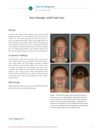 July 2019 in “Journal der Deutschen Dermatologischen Gesellschaft”
 A mother and daughter have a rare genetic hair loss disorder with no effective treatment.
24 citations
,
December 1957 in “Experimental Cell Research” The glassy layer of hair follicles has different fibril sizes and arrangements in guinea pigs and young mice.

Polarized microscopy helps identify hair irregularities in genetic disorders.
 25 citations
,
October 1996 in “Dermatologic Clinics”
25 citations
,
October 1996 in “Dermatologic Clinics” Loose Anagen Syndrome causes easy-to-pull, thin hair, mainly in young girls, and improves with age.
 September 2023 in “Journal of microbiology and biotechnology”
 A type of collagen helps hair grow by boosting cell growth and activating a specific hair growth pathway.
April 2018 in “Journal of Investigative Dermatology” African spiny mice can regenerate skin and hair after wounds due to specific tissue mechanics.
 October 2014 in “Springer eBooks”
 Rabbit hair fibers are similar to wool and have a hollow center like feathers.
 4 citations
,
August 2023 in “Nature Communications”
4 citations
,
August 2023 in “Nature Communications” Mouse zigzag hair bends form due to a 3-day cycle of changes in hair progenitors and their environment.
1 citations
,
September 2020 in “Sahel Journal of Veterinary Sciences” Switching to coarser feed and providing hay improved the sheep's health.
 19 citations
,
March 1988 in “International Journal of Dermatology”
19 citations
,
March 1988 in “International Journal of Dermatology” Hair shaft dysplasias are abnormal hair conditions that can be inherited or acquired and may signal other health issues, with limited treatment options available.
 August 2010 in “Journal of The American Academy of Dermatology”
 The document explains the diagnosis and characteristics of woolly hair nevus and alopecia neoplastica.
 December 2022 in “Scientific Reports”
 Stem cells from whiskers can be transplanted to stimulate hair growth.
 8 citations
,
May 2012 in “Clinical and Experimental Dermatology”
8 citations
,
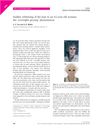
May 2012 in “Clinical and Experimental Dermatology” An 82-year-old woman's hair turned white suddenly, likely due to a rare form of alopecia that targets pigmented hair.
 January 2023 in “Skin appendage disorders”
 Two Hispanic women developed Plica neuropathica, a condition causing tangled hair, possibly due to hair damage and various risk factors.
 December 2024 in “Frontiers in Veterinary Science”
 Dorper sheep's wool shedding is linked to specific genes and pathways, which may help understand human hair growth.
 27 citations
,
August 2005 in “The journal of investigative dermatology/Journal of investigative dermatology”
27 citations
,
August 2005 in “The journal of investigative dermatology/Journal of investigative dermatology” Researchers found new genes involved in hair growth, which could help develop new hair treatments.
 April 2026 in “bioRxiv (Cold Spring Harbor Laboratory)”
 The Lanyu pig's hair follicles are similar to human ones, making it useful for studying skin healing.
 2 citations
,
January 2013 in “Elsevier eBooks”
2 citations
,
January 2013 in “Elsevier eBooks” The document explains the genetic causes and characteristics of inherited hair disorders.
93 citations
,
May 1990 in “The EMBO Journal” Mice with extra sheep genes had hair that fell out and regrew in cycles.
 November 2023 in “The journal of investigative dermatology/Journal of investigative dermatology”
 Removing MCPIP1 from myeloid cells in mice leads to hair loss and prevents skin tumors but causes pigmented spots.
4 citations
,
December 2021 in “Journal of clinical laboratory analysis” A new mutation in the DCAF17 gene was found to cause Woodhouse-Sakati syndrome in a large family.
May 2025 in “Experimental Dermatology” A new genetic tool improves the study of hair growth and potential hair disorder treatments.
January 2018 in “대한미용학회지” White hair is denser and more hydrophobic than black hair.
55 citations
,
February 2014 in “Journal of Structural Biology” Human hair has a complex, variable structure with a consistent matrix and double-twist pattern.
 June 2013 in “Faculty Opinions – Post-Publication Peer Review of the Biomedical Literature”
 Wnt ligand secretion by hair follicle cells is essential for hair growth and repair.