 140 citations
,
November 2018 in “Pharmacology & Therapeutics”
140 citations
,
November 2018 in “Pharmacology & Therapeutics” Using drugs to activate the Wnt/β-catenin pathway has potential for treating diseases but also presents challenges.
1 citations
,
August 2013 in “The Journal of Cell Biology” Lack of Evi in skin causes psoriasis-like symptoms in mice.
33 citations
,
September 2017 in “Journal of Investigative Dermatology” A mutation in the KRT25 gene causes woolly hair and hair loss.
July 2002 in “Science Signaling” Modified β-catenin can cause different effects in mouse skin cells, leading to cysts or tumors depending on the cell type.
 28 citations
,
November 2018 in “Journal of Cellular and Molecular Medicine”
28 citations
,
November 2018 in “Journal of Cellular and Molecular Medicine” CXXC5 is a protein that controls cell growth and healing processes, and changes in its activity can lead to diseases like cancer and hair loss.
 August 2023 in “bioRxiv (Cold Spring Harbor Laboratory)”
 Too much β-catenin activity can mess up the development of mammary glands and make them more like hair follicles.
 10 citations
,
November 2018 in “Nature Biotechnology”
10 citations
,
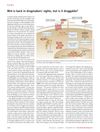
November 2018 in “Nature Biotechnology” Drugmakers are optimistic about targeting the Wnt pathway for new treatments despite past challenges.
 29 citations
,
December 2005 in “BioEssays”
29 citations
,
December 2005 in “BioEssays” Wnt/ß-catenin signaling is crucial for regulating skin stem cells and hair growth, with the right levels and timing needed for proper function.
9 citations
,
May 2014 in “Journal of Cardiovascular Development and Disease” Wnt/β-catenin signaling is crucial for heart development and could help improve heart repair.
 69 citations
,
August 1999 in “Developmental biology”
69 citations
,
August 1999 in “Developmental biology” The nude gene causes skin cell overgrowth and improper development, leading to hair and urinary issues.
 59 citations
,
November 2010 in “Circulation Research”
59 citations
,
November 2010 in “Circulation Research” Wnt signaling may be linked to heart diseases in aging and could be a target for future treatments.
18 citations
,
January 2013 in “Journal of Investigative Dermatology” WIF1 helps keep skin stem cells inactive to prevent excessive cell growth.
 112 citations
,
January 2014 in “Molecular and cellular therapies”
112 citations
,
January 2014 in “Molecular and cellular therapies” Blocking the Wnt pathway could lead to new treatments for cancer and tissue repair but requires careful development to avoid side effects.
January 2013 in “eScholarship (California Digital Library)” Activating Wnt signaling improves the efficiency and safety of creating stem cells.
16 citations
,
December 2020 in “PloS one” Researchers found WNT10A to be a key gene in developing goat hair follicles.
 6 citations
,
July 2007 in “Developmental Dynamics”
6 citations
,
July 2007 in “Developmental Dynamics” The molecule Wise is involved in the development of various structures in chick embryos.
 3 citations
,
January 2023 in “Journal of Hard Tissue Biology”
3 citations
,
January 2023 in “Journal of Hard Tissue Biology” Wnt10a may help regenerate dental pulp and form dentine.
 45 citations
,
April 2016 in “Journal of Dermatological Science”
45 citations
,
April 2016 in “Journal of Dermatological Science” The Wnt/β-catenin pathway can activate melanocyte stem cells and may help regenerate hair follicles.
159 citations
,
January 2006 in “BMC Cell Biology” Wnt signaling can improve skin healing by promoting epithelial growth.
 July 2025 in “bioRxiv (Cold Spring Harbor Laboratory)”
 A new Wnt surrogate specifically targets the Frizzled7 receptor, promoting organoid formation and hair growth.
 9 citations
,
October 2013 in “Journal of Investigative Dermatology”
9 citations
,
October 2013 in “Journal of Investigative Dermatology” The OVOL1 gene, controlled by β-catenin, is crucial for creating hair follicles.
2 citations
,
September 1998 in “Der Hautarzt” A gene mutation causes a rare hereditary hair loss, offering potential for new treatments.
 September 2016 in “Journal of Dermatological Science”
 Wnt-10b is important for keeping mouse skin cells healthy for hair growth.
2 citations
,
December 2014 in “Experimental Dermatology” Wnt5a overexpression alone doesn't cause psoriasis in mice but affects hair growth.
 27 citations
,
July 2017 in “Scientific Reports”
27 citations
,
July 2017 in “Scientific Reports” N-WASP is essential for healthy skin and preventing inflammation.
 55 citations
,
March 2015 in “Carcinogenesis”
55 citations
,
March 2015 in “Carcinogenesis” WNT10A helps esophageal cancer cells spread and keep renewing themselves.
 May 2018 in “Journal of Investigative Dermatology”
 Activating Wnt in skin cells controls the number of hair follicles by directing cell movement and fate.
 April 2023 in “Advanced functional materials”
 The study created a tool that mimics natural cell signals, which increased cell growth and could help with hair regeneration research.
July 2026 in “Journal of Investigative Dermatology”  5 citations
,
January 2016 in “Journal of Molecular Histology”
5 citations
,
January 2016 in “Journal of Molecular Histology” Both main and alternative Wnt signaling are important for regrowing rodent whisker follicles.