 November 2022 in “Journal of the Endocrine Society”
 A 21-year-old male with a rare genetic disorder experienced sudden hair loss and high DHEAS levels, likely due to a condition similar to PCOS, usually seen in women.
 January 2024 in “World Journal of Biology Pharmacy and Health Sciences”
 High prolactin and low vitamin D levels may be linked to hair loss in women.
 10 citations
,
October 2018 in “Dermatologic Therapy”
10 citations
,
October 2018 in “Dermatologic Therapy” The lotion with equol, dihomo-γ-linolenic acid, and propionyl-l-carnitine was effective in reducing hair loss in men and women.
 September 2021 in “International Journal of Epidemiology”
 The study concluded that examining the scalp with a special magnifying device helps diagnose the cause of widespread hair loss in adult women.
 3 citations
,
January 2017 in “Journal of cosmetology & trichology”
3 citations
,
January 2017 in “Journal of cosmetology & trichology” The food supplement with L-cystine, Serenoa repens extract, and biotin safely reduced hair loss and improved hair growth in men and women.
 137 citations
,
June 2005 in “Climacteric”
137 citations
,
June 2005 in “Climacteric” Estrogen loss during menopause worsens skin health, but hormone replacement therapy may improve it, though more research is needed.
 63 citations
,
October 1972 in “British Journal of Dermatology”
63 citations
,
October 1972 in “British Journal of Dermatology” Women with thinning hair have thinner hair strands than women without hair loss.
 23 citations
,
October 2018 in “Australasian Journal of Dermatology”
23 citations
,
October 2018 in “Australasian Journal of Dermatology” The current understanding of frontal fibrosing alopecia involves immune, genetic, hormonal factors, and possibly environmental triggers, but more research is needed for effective treatments.
 21 citations
,
October 2017 in “Journal of the European Academy of Dermatology and Venereology”
21 citations
,
October 2017 in “Journal of the European Academy of Dermatology and Venereology” Various potential triggers may be causing the rise in frontal fibrosing alopecia, and avoiding these could help stop the disease's increase.
 5 citations
,
March 2014 in “Journal of The American Academy of Dermatology”
5 citations
,
March 2014 in “Journal of The American Academy of Dermatology” The study suggests hormonal factors may play a role in Frontal Fibrosing Alopecia and that treatments like oral antiandrogens and steroids could be beneficial.
 3 citations
,
April 2015 in “Dermatology practical & conceptual”
3 citations
,
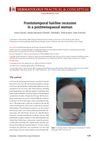
April 2015 in “Dermatology practical & conceptual” Postmenopausal women can experience hairline recession, affecting their quality of life, and more research is needed for treatments.
 1 citations
,
September 2021 in “CRC Press eBooks”
1 citations
,
September 2021 in “CRC Press eBooks” Frontal Fibrosing Alopecia is a hair loss condition mainly affecting postmenopausal women, with unclear causes and various clinical patterns.
 January 2025 in “Revista del Centro Dermatológico Pascua”
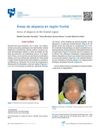
 Early diagnosis and treatment can help manage fibrosing alopecia in older women.
November 2024 in “Dermatology and Therapy” Dermatologists should carefully choose treatments for FFA to avoid worsening the condition.
 January 2022 in “Przegla̧d dermatologiczny”
 The exact cause of frontal fibrosing alopecia is unknown, but it's not likely due to sunscreen.
Hair restoration surgery for women is improving with better techniques and understanding.
 40 citations
,
December 2011 in “British Journal of Dermatology”
40 citations
,
December 2011 in “British Journal of Dermatology” Women's hair generally gets thinner and less dense starting in their mid-thirties, with hair loss becoming more common as they age due to both genetics and environment.
 8 citations
,
July 2021 in “Patient Preference and Adherence”
8 citations
,
July 2021 in “Patient Preference and Adherence” Alopecia treatments improve life quality but side effects can lessen this benefit; better use of quality of life measures is needed.
 January 2014 in “Journal of Pigmentary Disorders”
 Women's hair gets thinner and grayer as they age, with treatments available for hair loss and graying.
February 2013 in “UNESP Institutional Repository (São Paulo State University)” Female pattern alopecia causes hair thinning due to shrinking hair follicles.
3 citations
,
June 2023 in “International Journal of Women’s Dermatology” Long-term breastfeeding and preterm labor may worsen postpartum hair loss.
 1 citations
,
May 2020 in “Journal of The American Academy of Dermatology”
1 citations
,
May 2020 in “Journal of The American Academy of Dermatology” Women with hair loss should be checked for PCOS, as it's often related and early diagnosis can help with treatment.
 42 citations
,
April 2011 in “Annals of Pharmacotherapy”
42 citations
,
April 2011 in “Annals of Pharmacotherapy” Flutamide effectively treats female pattern hair loss with low doses showing good liver tolerance.
 1 citations
,
July 2011 in “Climacteric”
1 citations
,
July 2011 in “Climacteric” Long-term estrogen therapy in postmenopausal women can improve certain health markers, hair loss is common regardless of hormone use, stopping estrogen doesn't increase breast cancer risk, smoking does, and a balanced BMI is linked to lower mortality.
 December 2011 in “British Journal of Dermatology”
 As women age, they experience changes in hair density and volume, face challenges in distinguishing normal hair loss from disease, and have limited access to treatments for hair issues.
 339 citations
,
February 2014 in “Journal of The American Academy of Dermatology”
339 citations
,
February 2014 in “Journal of The American Academy of Dermatology” Most patients with frontal fibrosing alopecia are postmenopausal women, and treatments like finasteride and dutasteride can improve or stabilize the condition.
 75 citations
,
October 1996 in “Dermatologic Clinics”
75 citations
,
October 1996 in “Dermatologic Clinics” Chronic Telogen Effluvium is a hair loss condition in middle-aged women that usually doesn't lead to complete baldness.
 September 2023 in “Irish Journal of Medical Science (1971 -)”
 About 61% of women who had COVID-19 experienced hair loss afterward.
Early diagnosis and treatment of frontal fibrosing alopecia are crucial to prevent permanent hair loss.
November 2021 in “CRC Press eBooks” Female androgenic alopecia causes hair thinning in women, especially after menopause, and affects their mental well-being.