January 2016 in “Frontiers in Bioengineering and Biotechnology” A wool hair keratin hydrogel is promising for growing cells and tissue engineering.
 January 2012 in “International Journal of Trichology”
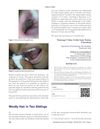
 Two siblings have a rare genetic condition causing curly, coarse hair.
July 2005 in “HortScience” Adding wool or hair waste to soil boosts crop yields and nutrient levels.
Stretching-setting treatment works for wool and human hair using specific equipment and methods.
 7 citations
,
January 2001 in “Annales de zootechnie”
7 citations
,
January 2001 in “Annales de zootechnie” Melatonin treatment increases wool production and improves fiber quality in angora rabbits.
 7 citations
,
October 1963 in “Textile Research Journal”
7 citations
,
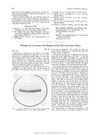
October 1963 in “Textile Research Journal” Merino wool fibers change shape with moisture, while human hair shape stays the same.
2 citations
,
February 2025 in “PLoS ONE” Key proteins influence wool quality by affecting hair follicle development in sheep.
January 2020 in “International journal of agriculture & biology/International journal of agriculture and biology” Wool traits in sheep are controlled by many genes and environmental factors.
14 citations
,
December 1991 in “Annals of the New York Academy of Sciences” MYC protooncogenes may be important for hair growth, but more research is needed.
 10 citations
,
December 2021 in “Frontiers in cell and developmental biology”
10 citations
,
December 2021 in “Frontiers in cell and developmental biology” The research identified genes that explain why some sheep have curly wool and others have straight wool.
 9 citations
,
January 1989 in “Sen'i Gakkaishi”
9 citations
,
January 1989 in “Sen'i Gakkaishi” Wool and hair fibers absorb moisture similarly due to their keratin structure, with the amount of non-crystalline areas affecting the moisture uptake.
 5 citations
,
May 1983 in “Australian journal of biological sciences”
5 citations
,
May 1983 in “Australian journal of biological sciences” Certain amino acid analogues can inhibit wool and hair growth and affect fiber strength.
 December 2022 in “Deleted Journal”
 Sheep wool keratin solution safely and effectively promotes hair growth.
 8 citations
,
January 2009 in “Transactions of the Materials Research Society of Japan”
8 citations
,
January 2009 in “Transactions of the Materials Research Society of Japan” Water-soluble wool keratin can protect human hair from damage during treatments.
112 citations
,
September 2021 in “BMC Biology” Key genes and factors crucial for hair follicle development and wool traits in Merino sheep were identified.
1 citations
,
November 1981 in “PubMed” No clear conclusion available.
 April 2008 in “Expert review of dermatology”
 Mutations in the P2RY5 gene cause hereditary woolly hair.
 12 citations
,
July 2016 in “British journal of dermatology/British journal of dermatology, Supplement”
12 citations
,
July 2016 in “British journal of dermatology/British journal of dermatology, Supplement” Different hair fiber development might explain why hair loss severity varies in patients with a specific genetic mutation, and treatments that thicken hair could help.
1 citations
,
September 2020 in “Journal of dermatology” Researchers found a new mutation in the LIPH gene of a woman with a rare hair condition.
 January 2013 in “Transactions of the Materials Research Society of Japan”
 CMADK reduces hair damage from bleaching and permanent waving.
 April 2003 in “Experimental Dermatology”
 The workshop highlighted the genetic links and psychological impacts of hair loss and skin disorders.
May 2010 in “Faculty Opinions – Post-Publication Peer Review of the Biomedical Literature” A mutation in the KRT74 gene causes woolly hair by affecting hair texture.
May 2010 in “Faculty Opinions – Post-Publication Peer Review of the Biomedical Literature” A mutation in the KRT74 gene causes woolly hair by affecting hair texture.
 5 citations
,
July 2020 in “JAMA Dermatology”
5 citations
,
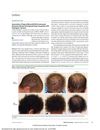
July 2020 in “JAMA Dermatology” Minoxidil solution applied twice daily improved hair growth in patients with Woolly Hair/Hypotrichosis due to LIPH gene issues, with mild side effects.
September 2025 in “Indian Journal of Dermatology” A Turkish woman has a hair condition caused by a LIPH gene mutation.
 May 2025 in “Frontiers in Genetics”
 A new genetic variant in the LIPH gene causes hair growth issues in a Chinese patient.
 February 2023 in “Journal of dermatology”
 The first Japanese case of a genetic hair disorder caused by specific mutations in the LIPH gene was identified.
December 2021 in “INDIGO (University of Illinois at Chicago)” Sheep hair follicle development and wool curvature are influenced by specific cell types and gene expressions.
 191 citations
,
November 1959 in “Annals of the New York Academy of Sciences”
191 citations
,
November 1959 in “Annals of the New York Academy of Sciences” Hair and wool have complex microscopic structures with microfibrils and varying cystine content.
 14 citations
,
April 2000 in “Animal Science/Animal science”
14 citations
,
April 2000 in “Animal Science/Animal science” Nutrients like vitamins, copper, zinc, and amino acids are crucial for healthy hair and wool growth.