24 citations
,
January 2009 in “International Journal of Trichology” Sunlight exposure ages hair, making it brittle, stiff, and dry.
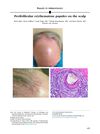 January 2016 in “Journal of The American Academy of Dermatology”
 The woman has a type of scarring hair loss with red bumps around hair follicles.
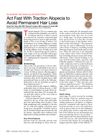 July 2024 in “Federal Practitioner”
 Act quickly to prevent permanent hair loss from tight hairstyles.
 2 citations
,
June 1980 in “International Journal of Dermatology”
2 citations
,
June 1980 in “International Journal of Dermatology” Scalp biopsies are important for diagnosing hair loss conditions.
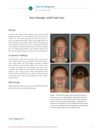 July 2019 in “Journal der Deutschen Dermatologischen Gesellschaft”
 A mother and daughter have a rare genetic hair loss disorder with no effective treatment.
 2 citations
,
March 2019 in “JEADV. Journal of the European Academy of Dermatology and Venereology/Journal of the European Academy of Dermatology and Venereology”
2 citations
,
March 2019 in “JEADV. Journal of the European Academy of Dermatology and Venereology/Journal of the European Academy of Dermatology and Venereology” Hair loss in elderly people is often due to health issues and needs better diagnosis and treatment.
 1 citations
,
May 2023 in “JAMA dermatology”
1 citations
,
May 2023 in “JAMA dermatology” Tight hairstyles can cause hair loss, which can be permanent if not treated early.
10 citations
,
January 1971 in “The American midland naturalist” A simple method can show hair's surface pattern.
35 citations
,
September 2003 in “Archives of dermatology” Tiger tail bands in hair are caused by wavy hair fibers with melanin, unlike straight fibers in normal hair.
November 2008 in “Nursing”  June 2008 in “The Open Dermatology Journal”
 Instructional sheets can help patients manage hair disorders.
99 citations
,
July 2005 in “Ultramicroscopy” The research improved understanding of hair and skin properties across different ethnicities and conditions.
 31 citations
,
April 2019 in “Journal of Cutaneous Pathology”
31 citations
,
April 2019 in “Journal of Cutaneous Pathology” Hair becomes gray and thin as we age, and while most hair loss in older people is due to genetics, there's a chance for gray hair to regain color under certain conditions.
November 2025 in “Skin Health and Disease” Autosomal recessive woolly hair is rare and involves tightly coiled hair without other health issues.
 21 citations
,
December 2011 in “Chungara”
21 citations
,
December 2011 in “Chungara” Mummy hair's chemical composition may not accurately show ancient people's health due to environmental contamination.
 1 citations
,
January 2024 in “Annals of Dermatology”
1 citations
,
January 2024 in “Annals of Dermatology” Examining hair shape can help predict Alopecia Areata's progression.
 19 citations
,
July 2009 in “Clinical and Experimental Dermatology”
19 citations
,
July 2009 in “Clinical and Experimental Dermatology” The study found that long-term sun exposure does not significantly affect follicular plugs on the scalp, and the scalp's appearance is unique compared to other body parts.
20 citations
,
January 2015 in “Journal of cosmetic dermatology” Older people's hair cuticles get more easily damaged and lose protective oils, especially in their 40s and 50s.
4 citations
,
December 2020 in “Journal of the American Academy of Dermatology” Pulling 2 or fewer hairs is normal for all hair types, including Afro- and Asian-textured hair.
Hair loss affects well-being but can be treated with medication or surgery.
 15 citations
,
February 2017 in “International Journal of Women's Dermatology”
15 citations
,
February 2017 in “International Journal of Women's Dermatology” Hair aging and loss are caused by genetics, hormones, environment, and grooming, with treatments like minoxidil effective for certain types of hair loss.
 20 citations
,
May 2020 in “Experimental Dermatology”
20 citations
,
May 2020 in “Experimental Dermatology” Aging scalp skin contributes to hair aging and loss, and more research is needed to develop better hair loss treatments.
 January 2012 in “Journal of the Dermatology Nurses’ Association”
 The document explains hair growth, hair loss types, and other hair-related terms.
5 citations
,
October 2018  January 2015 in “Springer eBooks”
 The pull test and wash test are cheap, easy methods to diagnose hair loss.
 September 2014 in “Springer eBooks”
 Aging causes hair to gray and thin, with the timing of graying varying by race, and factors like oxidative stress and genetics can lead to hair loss.
June 2025 in “British Journal of Dermatology” Segmented hair color changes can indicate active alopecia areata.