 4 citations
,
March 2009 in “British Journal of Dermatology”
4 citations
,
March 2009 in “British Journal of Dermatology” The conference highlighted new dermatological treatments and emphasized early intervention and addressing conditions lacking evidence-based treatments.
 4 citations
,
June 2002 in “Clinical and experimental dermatology”
4 citations
,
June 2002 in “Clinical and experimental dermatology” Effective treatment for hidradenitis suppurativa varies, with antibiotics commonly used and surgery as an option, but no single method is universally successful.
 3 citations
,
July 2008 in “British journal of dermatology/British journal of dermatology, Supplement”
3 citations
,
July 2008 in “British journal of dermatology/British journal of dermatology, Supplement” Terbinafine can cause hair loss.
 1 citations
,
May 2002 in “British Journal of Dermatology”
1 citations
,
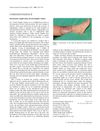
May 2002 in “British Journal of Dermatology” Hair loss caused by longer latent hair cycle and sudden miniaturization, not gradual follicle size reduction.
 June 2006 in “British Journal of Dermatology”
 Lower adrenal hormone levels may cause hair loss in postmenopausal women, certain patterns help diagnose nail cancer, and a gene variant linked to higher skin cancer risk in kidney transplant patients suggests monitoring folate levels.
 July 2003 in “British Journal of Dermatology”
 Some skin conditions are associated with other serious diseases, and office microscopy may miss many fungal infections.
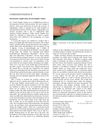 May 2002 in “British Journal of Dermatology”
 A pregnant woman's skin condition improved after giving birth, possibly due to high estrogen levels during pregnancy.
 January 1989 in “Clinical and Experimental Dermatology”
 The symposium concluded that hair growth involves complex processes, including the hair follicle life cycle, the role of the dermal papilla, hair strength, pigmentation, and the impact of diseases and treatments like minoxidil on hair and skin.
 June 2006 in “British Journal of Dermatology”
 The document reports unique growth lines in a child after Stevens-Johnson syndrome, skin reaction from parsnips and sun in a girl, and itchy skin with xanthomas in a boy with Alagille syndrome.
 July 2008 in “British Journal of Dermatology”
 Cyclosporin doesn't stop hair loss.
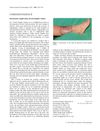 May 2002 in “British Journal of Dermatology”
 Hair loss caused by longer latent hair cycle and sudden miniaturization, not gradual follicle size reduction.
 233 citations
,
November 2002 in “The journal of investigative dermatology/Journal of investigative dermatology”
233 citations
,
November 2002 in “The journal of investigative dermatology/Journal of investigative dermatology” Creating stronger blockers for skin enzymes might lead to better treatment for conditions like acne and excessive hair growth.
 225 citations
,
July 2007 in “The Journal of Sexual Medicine”
225 citations
,
July 2007 in “The Journal of Sexual Medicine” Knowing about finasteride's sexual side effects increases reported dysfunction.
 223 citations
,
December 2010 in “The Journal of Sexual Medicine”
223 citations
,
December 2010 in “The Journal of Sexual Medicine” Some patients taking finasteride or dutasteride may have ongoing sexual problems and depression even after stopping the medication.
 151 citations
,
August 2010 in “British Journal of Dermatology”
151 citations
,
August 2010 in “British Journal of Dermatology” Guidelines for diagnosing common hair loss include detailed history, clinical examination, and various diagnostic techniques.
 112 citations
,
July 1998 in “Journal of Investigative Dermatology”
112 citations
,
July 1998 in “Journal of Investigative Dermatology” Ruby laser pulses best destroy hair follicles during the growth phase and effectiveness varies with laser intensity; melanin is key for targeting, and timing treatments can improve results.
 106 citations
,
June 2005 in “Journal of Investigative Dermatology”
106 citations
,
June 2005 in “Journal of Investigative Dermatology” The document concludes that assessing hair follicle damage due to cyclophosphamide in mice involves analyzing structural changes and suggests a scoring system for standardized evaluation.
 79 citations
,
March 1999 in “The journal of investigative dermatology/Journal of investigative dermatology”
79 citations
,
March 1999 in “The journal of investigative dermatology/Journal of investigative dermatology” Procyanidin compounds from grape seeds were found to significantly increase mouse hair growth.
 72 citations
,
January 2003 in “American Journal of Pathology”
72 citations
,
January 2003 in “American Journal of Pathology” A protein called CBP is found in prostate cancer and can increase the effectiveness of certain prostate cancer treatments.
 70 citations
,
December 2004 in “Differentiation”
70 citations
,
December 2004 in “Differentiation” The study identified and characterized new keratin genes linked to hair follicles and epithelial tissues.
 60 citations
,
January 2004 in “The journal of investigative dermatology/Journal of investigative dermatology”
60 citations
,
January 2004 in “The journal of investigative dermatology/Journal of investigative dermatology” Applying a specific inhibitor lightens skin and hair color.
 56 citations
,
August 2005 in “Journal of Investigative Dermatology Symposium Proceedings”
56 citations
,
August 2005 in “Journal of Investigative Dermatology Symposium Proceedings” Different women's hair and skin glands respond to hormones in varied ways, which can cause unwanted hair growth even with normal hormone levels, and more research is needed to treat this effectively.
 49 citations
,
January 1994 in “The Journal of Steroid Biochemistry and Molecular Biology”
49 citations
,
January 1994 in “The Journal of Steroid Biochemistry and Molecular Biology” RU 58841 may treat acne, hair loss, and excessive hair growth.
 35 citations
,
January 2012 in “The Journal of Sexual Medicine”
35 citations
,
January 2012 in “The Journal of Sexual Medicine” Androgen Deprivation Therapy for prostate cancer often reduces sexual function but intermittent therapy may be more tolerable.
 32 citations
,
February 1998 in “The journal of investigative dermatology/Journal of investigative dermatology”
32 citations
,
February 1998 in “The journal of investigative dermatology/Journal of investigative dermatology” Two specific hair keratin genes are active during hair growth and decline as hair transitions to rest.
 31 citations
,
December 2010 in “International Journal of Andrology”
31 citations
,
December 2010 in “International Journal of Andrology” Men with testicular cancer were less likely to experience baldness and severe acne.
 30 citations
,
May 2010 in “British Journal of Dermatology”
30 citations
,
May 2010 in “British Journal of Dermatology” Intermediate hair follicles are a better model for studying hair growth and testing hair loss treatments.
 27 citations
,
January 1984 in “Pharmacology & Therapeutics”
27 citations
,
January 1984 in “Pharmacology & Therapeutics” Antiandrogens have important biological effects, but more research is needed to understand them fully and compare their effectiveness and side effects to other treatments.
 26 citations
,
March 1986 in “Clinical and Experimental Dermatology”
26 citations
,
March 1986 in “Clinical and Experimental Dermatology” Scalp hair grows at 0.37 mm/day, forearm hair at 0.18 mm/day, and thigh hair at 0.30 mm/day, with no significant differences found in people with certain hair conditions.
 22 citations
,
March 2000 in “Clinics in Dermatology”
22 citations
,
March 2000 in “Clinics in Dermatology” Many treatments for hair loss lack proper testing and FDA approval, so their effectiveness is uncertain.