 1 citations
,
January 2016 in “Springer briefs in molecular science”
1 citations
,
January 2016 in “Springer briefs in molecular science” Natural plant-based substances can be used as effective hair dyes.
 May 2025 in “BMJ Case Reports”
 Minoxidil can cause temporary vision loss and color blindness.
59 citations
,
March 2003 in “The Lancet” Imatinib can repigment grey hair, while SU11428 can cause temporary hair depigmentation.
March 2026 in “Sexual Development” Tortoiseshell tomcats with XX/XY chimerism can be fertile.
 October 2025 in “Asian Journal of Pharmaceutical Research and Development”
 Phytosome technology improves the absorption and effectiveness of citrus flavonoids.
6 citations
,
October 2023 in “Pharmaceuticals” Eclipta prostrata extract may help with memory and diabetes due to its antioxidant and enzyme-inhibiting properties.
 21 citations
,
January 2005 in “Pediatric Dermatology”
21 citations
,
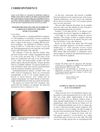
January 2005 in “Pediatric Dermatology” An 8-year-old girl with vitiligo developed extra hair growth on her knee after using tacrolimus ointment.
15 citations
,
June 1986 in “Pediatric Dermatology” Androgens increase pigmentation in young hamsters, but estrogens can reverse this effect.
15 citations
,
July 2000 in “The journal of investigative dermatology/Journal of investigative dermatology” Fluorescence can effectively measure acne treatment progress.
 January 2019 in “The Review of Laser Engineering”
 Multiphoton excitation microscopy is a promising tool for deep tissue imaging and clinical applications.

A 32-year-old man with early graying hair shows a unique pattern, suggesting more research is needed on why hair grays early.
January 2000 in “Cambio 16” Bcl-2 affects hair growth and pigmentation by controlling cell death.
 113 citations
,
March 2018 in “Biological reviews/Biological reviews of the Cambridge Philosophical Society”
113 citations
,
March 2018 in “Biological reviews/Biological reviews of the Cambridge Philosophical Society” Animals that change color with the seasons mainly do so in response to daylight changes, but climate change is causing camouflage problems that may require evolutionary changes.
 11 citations
,
October 2015 in “Clinical and Experimental Dermatology”
11 citations
,
October 2015 in “Clinical and Experimental Dermatology” Sophora flavescens extract helps hair growth and treats hair loss.
13 citations
,
April 1982 in “The Journal of Dermatology” Poly(ADP-ribose) synthesis is linked to skin cell differentiation.
57 citations
,
July 2000 in “Toxicology Letters” K6/ODC transgenic mice are effective for quickly identifying cancer-causing chemicals.
18 citations
,
March 2015 in “Journal of Investigative Dermatology” Silencing certain circadian clock genes increases skin pigmentation.
 12 citations
,
September 2018 in “International Journal of Cosmetic Science”
12 citations
,
September 2018 in “International Journal of Cosmetic Science” Palmitoyl tetrapeptide-20 may help reduce hair greying and increase melanin production.
1 citations
,
April 2004 in “Cancer” Imatinib mesylate can cause skin lightening, especially in Chinese patients, due to its effect on pigment production.
31 citations
,
October 1992 in “Journal of Clinical Pharmacy and Therapeutics” Some medications can change hair color, especially chloroquine and cancer treatments.
 June 2020 in “bioRxiv (Cold Spring Harbor Laboratory)”
 Activating β-catenin increases melanocytes and decreases Schwann cells.
 24 citations
,
March 2018 in “Pigment Cell & Melanoma Research”
24 citations
,
March 2018 in “Pigment Cell & Melanoma Research” The environment around melanocyte stem cells is key for hair regeneration and color, with certain injuries affecting hair color and potential treatments for pigmentation disorders.
January 1991 in “Linchuang pifuke zazhi”  3 citations
,
July 2020 in “Frontiers in Cell and Developmental Biology”
3 citations
,
July 2020 in “Frontiers in Cell and Developmental Biology” Vitexin Compound 1 may help reduce skin aging caused by UVA light.
28 citations
,
November 2009 in “Journal of Structural Biology” High flux X-ray beams quickly damage the structure of human hair.
 1 citations
,
March 2020 in “Functional foods in health and disease/Journal of functional foods in health & disease”
1 citations
,
March 2020 in “Functional foods in health and disease/Journal of functional foods in health & disease” OM-X® helped prevent negative effects of Vitamin C deficiency in mice, suggesting it could protect organs and regulate metabolism.
3 citations
,
August 2010 in “Letters in Drug Design & Discovery”  18 citations
,
August 2021 in “PLoS ONE”
18 citations
,
August 2021 in “PLoS ONE” Melanocyte progenitor cells are found in human fat tissue and can become mature melanocytes, which may help treat skin issues.
 June 2026 in “Ophthalmology and Therapy”
 Near-infrared and red-light therapy shows promise for eye diseases, but more research is needed to confirm its safety and effectiveness.
2 citations
,
August 2020 in “CRC Press eBooks” Tabby mutations in mice affect hair follicle development and help study genetic mapping and certain medical conditions.