 11 citations
,
January 2014 in “The Scientific World Journal”
11 citations
,
January 2014 in “The Scientific World Journal” Cynatine HNS improves hair and nail quality in 90 days.
 3 citations
,
January 2023 in “Regenerative Medicine”
3 citations
,
January 2023 in “Regenerative Medicine” Exosomes show promise for skin and hair rejuvenation, but more research and regulation are needed before they can be widely used.
23 citations
,
April 2003 in “Journal of Structural Biology” Keratin structure changes during keratinization, but the exact model remains uncertain.

Crown-X may effectively restore hair in male pattern baldness using menstrual stem cells.
 2 citations
,
February 2022 in “Biology”
2 citations
,
February 2022 in “Biology” Blue laser light reduces energy in mouse skin cells and creates harmful oxygen compounds, possibly harming the cells.
March 2026 in “World Rabbit Science” DKK4 can be used to improve wool quality in Zhexi Angora rabbits.
4 citations
,
August 2018 in “Journal of cellular biochemistry” Acid inside cells speeds up aging and turns on aging signs in mice.
2 citations
,
July 2025 in “Analytical Chemistry” The method effectively images and correlates elements and metabolites in tissue samples at a micron scale.
January 2025 in “Pharmaceuticals” Nanocarriers can improve antioxidant delivery to the skin but face safety and production challenges.
4 citations
,
May 2020 in “The journal of pediatrics/The Journal of pediatrics” A boy with monilethrix has brittle hair that breaks easily due to a genetic condition, which might improve by puberty.
 November 2025 in “Zenodo (CERN European Organization for Nuclear Research)”
 Keyora Lycopene 23 in 1 multi-vitamin improves men's reproductive and metabolic health.
1 citations
,
January 2024 in “Veterinary Dermatology” Alopecia X in Pomeranians is likely genetic, not environmental.
1 citations
,
October 1996 in “PubMed” Potassium channels are important drug targets for treating conditions like hypertension, hair loss, and diabetes.
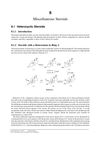
The document concludes that scientists created various steroids with different properties, including a more effective semi-synthetic vitamin D.
1 citations
,
May 2025 in “Frontiers in Veterinary Science” A severe virus outbreak in yaks on the Qinghai-Tibet Plateau caused high death rates and requires targeted control measures.
 January 2024 in “Brazilian journal of veterinary pathology”
 The dog likely has a condition similar to Canine alopecia X.
64 citations
,
April 2005 in “Journal of Investigative Dermatology” Topical oligonucleotide therapy targets hair follicles effectively.
January 2011 in “China Animal Husbandry & Veterinary Medicine” Constant-release melatonin reduces SOX21 gene expression in goats during the hair follicle resting phase.
9 citations
,
January 2021 in “BioMed research international” Human hair-derived particles can effectively carry and release the cancer drug Paclitaxel in a pH-sensitive manner, potentially targeting cancer cells while sparing healthy ones.
April 2026 in “IntechOpen eBooks” Exo.Reset® uses extracellular vesicle technology for skin rejuvenation.
October 2014 in “Microscopy” The method using ionic liquid improves observation of cell structures with less damage.
November 2024 in “Comparative Biochemistry and Physiology Part D Genomics and Proteomics” Exosomes help hair follicle development in cashmere goats.
28 citations
,
May 2023 in “Current Opinion in Colloid & Interface Science”  1 citations
,
April 2016 in “Journal of The American Academy of Dermatology”
1 citations
,
April 2016 in “Journal of The American Academy of Dermatology” Ixekizumab helps improve life quality, physical ability, and work performance in patients with psoriatic arthritis who haven't used biologic drugs before.
12 citations
,
May 2023 in “Molecules” Polygoni Cuspidati Rhizoma et Radix contains compounds that inhibit certain enzymes.
 May 2025 in “Birth Defects Research”
 YWS1903 is safe for pregnant rats at moderate doses but causes fetal issues at high doses.
7 citations
,
March 2025 in “Cytotechnology” 11 citations
,
January 2006 in “Journal of the American Leather Chemists Association” Oxidizing agents break down keratin in wool and hair, causing swelling and increased solubility.