 3 citations
,
September 2016 in “Natural Product Communications”
3 citations
,
September 2016 in “Natural Product Communications” Germacrene analogs, especially 8-Hydroxy germacrene B, are more effective than germacrone at blocking a hormone-related enzyme and could help treat hair loss.
 47 citations
,
March 2019 in “Journal of immunology research”
47 citations
,
March 2019 in “Journal of immunology research” Valproic Acid could potentially be used to treat immune-related conditions due to its ability to modify immune cell functions.
 4 citations
,
July 2025 in “Frontiers in Immunology”
4 citations
,
July 2025 in “Frontiers in Immunology” Early intervention with JAK inhibitors may prevent alopecia areata progression.
 53 citations
,
September 2020 in “Stem Cell Research & Therapy”
53 citations
,
September 2020 in “Stem Cell Research & Therapy” New methods to improve the healing abilities of mesenchymal stem cells for disease treatment are promising but need more research.
 6 citations
,
July 2012 in “Experimental Dermatology”
6 citations
,
July 2012 in “Experimental Dermatology” The substance from human hair root cells can help maintain hair growth and make skin cells more capable of growing hair.
 September 2018 in “Fertility and Sterility”
 High levels of testosterone and anti-Müllerian hormone before pregnancy are linked to a higher risk of newborns needing intensive care.
 69 citations
,
September 2006 in “Human Reproduction”
69 citations
,
September 2006 in “Human Reproduction” Women with PCOS have fewer activated T cells in their ovarian follicles, which might affect fertility.
 27 citations
,
January 2020 in “Experimental Dermatology”
27 citations
,
January 2020 in “Experimental Dermatology” Immune cells affect hair growth and could lead to new hair loss treatments.
 16 citations
,
October 2014 in “Cell death and disease”
16 citations
,
October 2014 in “Cell death and disease” FoxN1 overexpression in young mice harms immune cell and skin development.
 15 citations
,
May 2021 in “British journal of dermatology/British journal of dermatology, Supplement”
15 citations
,
May 2021 in “British journal of dermatology/British journal of dermatology, Supplement” Cell therapy shows promise for treating severe psoriasis but needs more research to confirm safety and effectiveness.
 38 citations
,
January 2016 in “Cell Death and Disease”
38 citations
,
January 2016 in “Cell Death and Disease” The TCL1 transgenic mouse model is useful for understanding human B-cell leukemia and testing new treatments.
 7 citations
,
October 2024 in “Frontiers in Immunology”
7 citations
,
October 2024 in “Frontiers in Immunology” A humanized CXCL12 antibody may delay and treat alopecia areata by altering the immune response.
Alopecia areata patients have higher levels of certain immune receptors, suggesting new treatment possibilities.
 2 citations
,
December 2022 in “PÄDI Boletín Científico de Ciencias Básicas e Ingenierías del ICBI”
2 citations
,
December 2022 in “PÄDI Boletín Científico de Ciencias Básicas e Ingenierías del ICBI” Bioceramic and biopolymer composites are promising for advanced wound care, promoting healing and cell growth.
 49 citations
,
August 2004 in “The FASEB Journal”
49 citations
,
August 2004 in “The FASEB Journal” Mice with human skin protein K8 had more skin problems and cancer.
 7 citations
,
January 2023 in “Frontiers in Cell and Developmental Biology”
7 citations
,
January 2023 in “Frontiers in Cell and Developmental Biology” Caspases are enzymes important for both cell death and various non-lethal cell functions, affecting head development and hair growth, with different caspases playing specific roles.
 25 citations
,
August 2015 in “International Journal of Cosmetic Science”
25 citations
,
August 2015 in “International Journal of Cosmetic Science” Malva verticillata seed extract might help treat hair loss by activating hair growth signals in skin cells.
 19 citations
,
April 2015 in “European Journal of Pharmacology”
19 citations
,
April 2015 in “European Journal of Pharmacology” Dihydrotestosterone (DHT) doesn't affect rat skin cell growth, but it does change cell cycle, protein levels, and other cell functions, potentially shortening hair growth cycle.
 82 citations
,
March 2016 in “Autoimmunity reviews”
82 citations
,
March 2016 in “Autoimmunity reviews” Animal models have helped understand hair loss from alopecia areata and find new treatments.
 8 citations
,
July 2022 in “International Journal of Molecular Sciences”
8 citations
,
July 2022 in “International Journal of Molecular Sciences” Skin cells release substances important for healing and fighting infection, and understanding these could improve skin disorder treatments.
 February 2016 in “The journal of allergy and clinical immunology/Journal of allergy and clinical immunology/The journal of allergy and clinical immunology”
 A new TP63 mutation was found in a baby with EEC syndrome, showing the need for TREC testing to check for immune issues.
 2 citations
,
July 2014 in “Our Dermatology Online”
2 citations
,
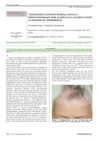
July 2014 in “Our Dermatology Online” Contact immunotherapy can cause vitiligo in patients with autoimmune conditions.
 April 2021 in “Sohag Medical Journal”
 Alopecia areata is an autoimmune condition causing hair loss, linked to genetic factors and immune system issues, with no cure yet.
10 citations
,
June 2022 in “Frontiers in Immunology” Fucoidan reduces bone cell formation by affecting T-cell activity.
 59 citations
,
June 2023 in “Nature Aging”
59 citations
,
June 2023 in “Nature Aging” Blocking IL-17 signaling may reduce skin inflammation and delay aging.
27 citations
,
August 2021 in “Journal of Autoimmunity” Human dermal γδT-cells respond to stress in hair follicles, contributing to hair loss.
 5 citations
,
January 2022 in “PloS one”
5 citations
,
January 2022 in “PloS one” Deleting the p63 gene in certain cells causes problems in thymus development and severe hair loss in mice.
50 citations
,
May 2021 in “Frontiers in immunology” Certain immune cells contribute to skin autoimmune diseases, and some treatments can reverse hair loss in these conditions.
4 citations
,
June 2025 in “Cell Reports” Clonally expanded CD8+ T cells cause alopecia areata.
46 citations
,
October 2018 in “JCI insight” CD8+ T cells are involved in alopecia areata and may cause disease relapse.