September 2025 in “PeerJ” FCER1A and RGS1 may help diagnose and treat systemic lupus erythematosus.
CRISPR gene editing reduces harmful molecules in cells from Emery–Dreifuss Muscular Dystrophy patients.
 January 2025 in “Current Issues in Molecular Biology”
 Certain plant extracts may help prevent hair loss and promote hair growth safely.
 January 2025 in “Applied Sciences”
 Sulforaphane from broccoli may help treat certain cancers, hormone issues, and hair loss.
 December 2024 in “Journal of Cosmetic Dermatology”
 Exosomes from platelet-rich plasma may help heal wounds but need more research for hair growth and skin use.
 August 2024 in “Drug Design Development and Therapy”
 Decursin shows promise for treating cancer, neuroprotection, inflammation, and hair loss.
April 2024 in “International journal of molecular sciences” Light-based treatment, Photobiomodulation, shows promise for non-invasive skin therapy with few side effects.
 October 2023 in “Microorganisms”
 Nirmatrelvir/Ritonavir treatment may lead to a weaker immune response to COVID-19, but doesn't affect the chance of rebound.
 May 2023 in “Journal of Ethnopharmacology”
 The wild garlic plant, Allium macrostemon Bunge, can promote hair growth and could potentially be used to treat hair loss.
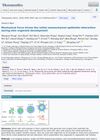 January 2023 in “Theranostics”
 Mechanical force is important for the first contact between skin cells and hair growth in mini-organs.
December 2022 in “International Journal of Molecular Sciences” Afatinib, neratinib, and zanubrutinib could be effective against KRASG12C-mutant tumors.
1 citations
,
February 2025 in “Toxicology in Vitro” Diphlorethohydroxycarmalol may help treat hair loss better than current medications.
 54 citations
,
January 2023 in “Signal Transduction and Targeted Therapy”
54 citations
,
January 2023 in “Signal Transduction and Targeted Therapy” New therapies are being developed that target integrin pathways to treat various diseases.
19 citations
,
August 2024 in “Journal of Translational Medicine” Epidermal stem cells are vital for skin healing and have potential for treating skin disorders.
18 citations
,
January 2022 in “Oxidative Medicine and Cellular Longevity” Fibroblasts are crucial in scar formation and wound healing, with potential therapies aiming for scarless healing.
9 citations
,
October 2024 in “Heliyon” Exosomes show promise for healing diabetic foot ulcers.
 4 citations
,
October 2022 in “International Journal of Molecular Sciences”
4 citations
,
October 2022 in “International Journal of Molecular Sciences” Thy-1 protein helps improve blood flow and wound healing in the skin.
 March 2026 in “Cell Death Discovery”
 Targeting the p63 gene could help treat skin diseases.
2 citations
,
May 2021 in “International journal of molecular sciences” Stem cells from hair follicles in a special gel show strong potential for bone regeneration.

Reprogramming adult fibroblasts may enable scar-free healing.
 January 2026 in “Preprints.org”
 Mimicking fetal wound environments may enable scarless healing in adults.
October 2025 in “Burns & Trauma” Engineered probiotics can help heal wounds faster, especially in diabetic foot ulcers.
14 citations
,
September 2024 in “Cosmetics” Exosomes and cell culture-conditioned media improve skin quality and reduce aging signs.
11 citations
,
October 2024 in “PLoS ONE” Phage-containing hydrogels effectively heal wounds infected with Enterococcus faecalis.
 7 citations
,
December 2022 in “Frontiers in Bioengineering and Biotechnology”
7 citations
,
December 2022 in “Frontiers in Bioengineering and Biotechnology” Extracellular vesicles show promise for wound healing, but more research is needed to improve their stability and production.
5 citations
,
January 2021 in “Frontiers in cell and developmental biology” Skin cysts might help advance stem cell treatments to repair skin.
3 citations
,
September 2025 in “Cosmetics” Extracellular vesicles could revolutionize skincare by improving skin repair and anti-aging, but face regulatory and cost challenges.
1 citations
,
January 2024 in “Fibrosis” Hydrogels show promise for scarless wound healing by reducing skin fibrosis.
November 2025 in “International Journal of Molecular Sciences” PRP shows promise in healing and regeneration but needs standardized protocols for consistent results.
October 2025 in “Skin Health and Disease” Photothermal conditioning of PRP shows promise for improving hair growth but needs more research for confirmation.