Teletrichoscopy can effectively diagnose hair and scalp conditions remotely using smartphone apps and affordable tools.
Alopecia areata causes patchy hair loss but hair can regrow on its own.
 January 2025 in “Journal of Rawalpindi Medical College”
 Alopecia Areata affects both genders almost equally, mostly on the scalp, with common signs like yellow dots and exclamation mark hairs, especially in young people.
 December 2024 in “IntechOpen eBooks”
 Trichoscopy helps diagnose and track alopecia areata by examining specific hair and scalp markers.
June 2024 in “Bioscientia Medicina Journal of Biomedicine and Translational Research” Most children with alopecia areata have patchy hair loss and common trichoscopic features like yellow and black dots.
 April 2024 in “Journal of cosmetic dermatology”
 Children with alopecia areata have more exclamation mark hairs and fewer yellow dots than adults.
 February 2024 in “Skin research and technology”
 LC-OCT is a promising tool for diagnosing and monitoring Alopecia areata.
December 2023 in “International Journal of Dermatology” Accurate diagnosis of alopecia areata incognito requires trichoscopy and histopathology.
April 2023 in “Media Dermato Venereologica Indonesiana” COVID-19 reinfection may trigger alopecia areata.
February 2023 in “International Journal of Advanced Research” Trichoscopy is a cost-effective and non-invasive tool for diagnosing alopecia areata.
February 2023 in “Zenodo (CERN European Organization for Nuclear Research)” Trichoscopy is a useful and affordable tool for diagnosing Alopecia areata.
September 2021 in “CRC Press eBooks” Traumatic alopecia causes hair loss from pulling or rubbing, leading to broken hairs and changes in the scalp.
 March 2021 in “CRC Press eBooks”
 The document concludes that different patterns of hair thickness and scalp changes can help diagnose types of non-scarring hair loss.
December 2020 in “Journal of Face Aesthetics” Trichoscopy effectively helps diagnose different types of hair loss in women.
 September 2019 in “Actas dermo-sifiliográficas/Actas dermo-sifiliográficas”
 Isotretinoin at low doses effectively treats facial papules in frontal fibrosing alopecia.
August 2018 in “Turkish Journal of Dermatology” A handheld dermoscope helps assess treatment success in alopecia areata.
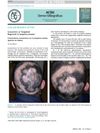 April 2016 in “Actas Dermo-Sifiliográficas”
 The document concludes that a unique target-like hair regrowth pattern in alopecia areata may be more common than thought and should be properly identified.
 February 2011 in “Journal of the American Academy of Dermatology”
 A 60-year-old man with a long-term balding condition also developed a rare hair loss condition usually seen in postmenopausal women.
The ProScope HR is an effective, user-friendly, and affordable tool for diagnosing hair loss.
January 2026 in “Dermatologic Therapy” Alopecia is more common in younger women, and many patients also have thyroid issues, especially subclinical hypothyroidism.
February 2013 in “Journal of the American Academy of Dermatology” Follicular red dots can appear where alopecia areata and vitiligo overlap.
April 2023 in “Dohuk medical journal” Trichoscopy effectively differentiates Androgenetic Alopecia from Telogen Effluvium.
November 2022 in “Al-Azhar International Medical Journal (Print)” Combining 5% spironolactone and 5% minoxidil is safe and more effective for treating hair loss.
January 2021 in “International journal of dermatology, venereology and leprosy sciences” AGA and TE can be differentiated by specific trichoscopic features, with AGA showing more variation in hair thickness in fronto-temporal areas.
 September 2014 in “Chinese Journal of Dermatology”
 Hair diameter difference, brown skin discoloration around hair follicles, and missing hair in certain areas are key signs of androgenetic alopecia (commonly known as hair loss) when viewed under a dermoscope.
Dermoscopic features can help distinguish female androgenetic alopecia from telogen effluvium and healthy controls.
 January 2022 in “Klinicheskaya dermatologiya i venerologiya”
 Trichoscopy can diagnose hair loss by looking for common signs like uneven hair thickness, "yellow dots," and more thin hairs, which are found in both men and women.
January 2022 in “مجلة جامعة المجمعه للعلوم الصحية” A woman was misdiagnosed with hair loss for years, but actually had a rare type of alopecia.
 21 citations
,
January 2014 in “International Journal of Trichology”
21 citations
,
January 2014 in “International Journal of Trichology” The study concluded that yellow dots are a common and useful sign for diagnosing alopecia areata in dark-skinned individuals and may indicate the severity of the condition.
 1 citations
,
December 2018 in “Journal of Pakistan Association of Dermatology”
1 citations
,
December 2018 in “Journal of Pakistan Association of Dermatology” Dermoscopy is useful for diagnosing different types of hair loss.