 2 citations
,
January 2014 in “Springer eBooks”
2 citations
,
January 2014 in “Springer eBooks” The book details skin conditions in older adults, their link to mental health, cancer treatment importance, hair loss remedies, and managing autoimmune and itchy skin.
 2 citations
,
July 2012 in “InTech eBooks”
2 citations
,
July 2012 in “InTech eBooks” People with alopecia areata often have thyroid autoimmunity.
 1 citations
,
January 2023 in “Przegląd Dermatologiczny”
1 citations
,
January 2023 in “Przegląd Dermatologiczny” A man's severe skin reaction from cancer treatment improved with early diagnosis and proper medication.
 1 citations
,
October 2014
1 citations
,
October 2014 The document concludes that diagnosing and managing plaque psoriasis, particularly in sensitive areas, is challenging and requires careful differentiation from similar skin conditions.
 1 citations
,
January 2010 in “Serbian Journal of Dermatology and Venereology”
1 citations
,
January 2010 in “Serbian Journal of Dermatology and Venereology” The document concludes that effective acne treatment requires a personalized combination of therapies and long-term commitment, with retinoids being important for maintenance.
 February 2026 in “Clinical Cosmetic and Investigational Dermatology”
 Inverted Follicular Keratosis is rare but should be considered in scalp lesion diagnoses for all ages.
 January 2023 in “Bio web of conferences/BIO web of conferences”
 The document concludes that specific dermoscopic features can help diagnose different facial red skin conditions.
 September 2021 in “Mağallaẗ al-Muẖtar li-l-ʿulūm”
 Two sisters have rare hair disorders causing short, fragile, kinky hair.
 April 2021 in “BMJ Case Reports”
 Accurate diagnosis of pseudolymphomatous folliculitis is crucial to avoid mistaking it for more serious conditions.
 January 2019 in “Elsevier eBooks”
 Early detection and skin biopsies are crucial for treating skin cancer and diagnosing various skin conditions.
 December 2017 in “Springer eBooks”
 Transplant patients often get skin problems, with treatments varying by condition.
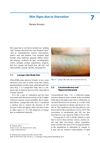 June 2012 in “Springer eBooks”
 Skin changes can indicate starvation and nutritional deficiencies in anorexia nervosa.
 July 1976 in “Archives of Dermatology”
 The document suggests more research is needed to understand skin conditions related to toothpaste and other treatments.
 April 1940 in “Archives of dermatology”
 Diagnosing and treating skin conditions is challenging, especially when drug reactions mimic other diseases.
 2 citations
,
January 2019 in “Springer eBooks”
2 citations
,
January 2019 in “Springer eBooks” The conclusion is that different blood diseases cause specific oral symptoms and require varied treatments to manage these symptoms and improve patient health.
 101 citations
,
July 2020 in “Dermatologic therapy”
101 citations
,
July 2020 in “Dermatologic therapy” COVID-19 can cause skin issues like rashes and "COVID toes," and people with skin conditions should adjust their treatments if they get the virus.
 82 citations
,
June 2020 in “Inflammation Research”
82 citations
,
June 2020 in “Inflammation Research” Skin problems in COVID-19 patients are rare and may be due to the body's complex immune response or blood clotting issues.
 80 citations
,
June 2020 in “Dermatopathology”
80 citations
,
June 2020 in “Dermatopathology” COVID-19 can cause various skin lesions, which may result from the virus and immune response, and are not directly linked to illness severity.
 38 citations
,
December 2012 in “Journal of Cutaneous Pathology”
38 citations
,
December 2012 in “Journal of Cutaneous Pathology” EVG staining is a valuable, simple, and cost-effective method for diagnosing various skin conditions in dermatopathology.
 27 citations
,
November 2020 in “International Journal of Dermatology”
27 citations
,
November 2020 in “International Journal of Dermatology” COVID-19 can cause skin issues like chilblains and rashes, which may help in early detection, especially in patients without other symptoms.
 26 citations
,
August 2020 in “Dermatology Research and Practice”
26 citations
,
August 2020 in “Dermatology Research and Practice” COVID-19 can cause various skin problems, including reactions to protective gear and medication, with different rates reported worldwide, and more research is needed to fully understand these skin issues.
 16 citations
,
July 2012 in “Current pharmaceutical biotechnology”
16 citations
,
July 2012 in “Current pharmaceutical biotechnology” New treatments for skin conditions related to the sebaceous gland are being developed based on current research.
 7 citations
,
July 2003 in “Clinics in Dermatology”
7 citations
,
July 2003 in “Clinics in Dermatology” The article helps identify common, non-harmful skin conditions in newborns to avoid undue concern and treatment.
 4 citations
,
July 2013 in “Journal of dermatology”
4 citations
,
July 2013 in “Journal of dermatology” Malnutrition can cause unusual eyelash growth and hair loss.
 1 citations
,
June 2020 in “Dermatologic Therapy”
1 citations
,
June 2020 in “Dermatologic Therapy” COVID-19 can cause various skin issues, including rashes and 'COVID toes', and may worsen autoimmune diseases or affect men with baldness more severely.
 February 2023 in “Cosmoderma”
 Combining red LED therapy with beta-carotene is more effective for treating photoaging than red LED therapy alone.
 January 2022 in “Dermatology Review”
 Higher IL-31 levels are linked to worse itching in chronic kidney disease patients.
 September 2020 in “Annals of the National Academy of Medical Sciences. India”
 COVID-19 can cause skin issues like "COVID toes," rashes, hair loss, and hand eczema, and dermatologists are important for recognizing these signs.
 July 2015 in “Cambridge University Press eBooks”
 Androgens like testosterone affect skin health and can lead to conditions such as acne and hair loss, with various treatments available.
 28 citations
,
February 2010 in “British journal of dermatology/British journal of dermatology, Supplement”
28 citations
,
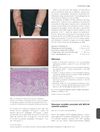
February 2010 in “British journal of dermatology/British journal of dermatology, Supplement” WNT10A mutations cause varied symptoms in patients with odonto-onycho-dermal dysplasia.