 33 citations
,
December 2004 in “Differentiation”
33 citations
,
December 2004 in “Differentiation” Mouse amnion can turn into skin and hair follicles with help from certain cells and factors.
September 2025 in “Stem Cell Research & Therapy” EVs and CMs may safely improve skin lightening and rejuvenation, but more research is needed.
7 citations
,
February 1985 in “Textile Research Journal” Cellular debris sticks to damaged wool fibers and affects wool cleanliness.
 May 2025 in “Journal of the ASEAN Federation of Endocrine Societies”
 VHL disease can cause early paragangliomas, needing lifelong monitoring.
10 citations
,
February 2019 in “Journal of cellular physiology” TGF-β2 helps yak hair follicles enter the regression phase, while HSP70 tries to prevent it.
 September 2023 in “Frontiers in cell and developmental biology”
 Vav2 changes how hair follicle stem cells' genes work as they age, which might improve regeneration but also raise cancer risk.
SH-SY5Y cell lysate is effective for diagnosing Satoyoshi syndrome.
June 2022 in “Journal of Pakistan Association of Dermatologists” Vitiligo may start as small white spots in hair follicles.
 31 citations
,
September 2013 in “Stem Cells”
31 citations
,
September 2013 in “Stem Cells” Smad1 and Smad5 are essential for hair follicle development and stem cell sleepiness.
1 citations
,
October 2022 in “Journal of Bioscience and Bioengineering” Manipulating cell sorting can improve hair follicle regeneration in the lab.
 31 citations
,
August 2005 in “The American Journal of Dermatopathology”
31 citations
,
August 2005 in “The American Journal of Dermatopathology” The study concluded that PKP1 is essential for skin integrity and hair growth, and its dysfunction causes the symptoms of ectodermal dysplasia/skin fragility syndrome.
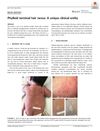 August 2018 in “Pediatric Dermatology”
 A baby had a unique skin condition with a pale patch and surrounding dark hairs, not linked to other health issues.
 2 citations
,
January 2025 in “动物学研究”
2 citations
,
January 2025 in “动物学研究” YAP1 helps fat cell formation by influencing the Hippo pathway.
 February 2024 in “Future science OA”
 Loss of the Y chromosome and UTY gene activity increases cancer risk in men.
44 citations
,
June 1967 in “The journal of nutrition/The Journal of nutrition” Lack of essential fatty acids in diet causes reproductive issues and poor health in male rabbits.

Ovol2 is crucial for hair growth and skin healing by controlling cell movement and growth.
January 1962 in “Archives of Dermatology” A 5-year-old girl has lipoid proteinosis, causing voice issues, hair thinning, skin lesions, and tongue movement problems.
18 citations
,
August 2015 in “International Journal of Molecular Sciences” Ovine hair follicle stem cells can regenerate haired skin and may improve wool production.
 1 citations
,
February 2009 in “Journal of Investigative Dermatology”
1 citations
,
February 2009 in “Journal of Investigative Dermatology” VEGF helps squamous cell carcinoma grow in ways beyond just blood vessel formation.
 June 2023 in “Journal of biological chemistry/The Journal of biological chemistry”
 Sdr16c5 and Sdr16c6 genes regulate a key point in lipid production that affects eye and skin gland function.
January 2026 in “The FASEB Journal” The trial aims to test a new treatment for hair loss in young men using stem cell-derived vesicles.
 14 citations
,
January 2009 in “Experimental Dermatology”
14 citations
,
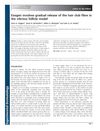
January 2009 in “Experimental Dermatology” Hair sheds gradually from the follicle, with readiness to shed indicated by less attachment material.
36 citations
,
January 1994 in “Cell and Tissue Research”  72 citations
,
November 2012 in “PloS one”
72 citations
,
November 2012 in “PloS one” The protein folliculin, involved in a rare disease, works with another protein to control how cells stick together and their organization, and changes in this interaction can lead to disease symptoms.
22 citations
,
January 2009 in “Advances in experimental medicine and biology” FOXN1 mutations cause severe immunodeficiency, hair loss, nail issues, and thymus defects.
16 citations
,
November 2017 in “British Journal of Dermatology” Cells in hair die by breaking down their DNA and mitochondria as they form keratin.
15 citations
,
September 2002 in “Journal of Biological Chemistry” Abnormal keratin expression in mice causes severe oral issues, affecting feeding.
A new genetic mutation was found causing hair and eye issues in a boy.
September 2022 in “European Journal of Dermatology” Gene sequencing is essential for diagnosing Junctional epidermolysis bullosa.
6 citations
,
March 2005 in “Journal of the American Academy of Dermatology” Follicular dystrophy in immunocompromised patients may be linked to medication or viral factors and can improve with treatment changes.