Search
for
Sort by
Research
810-840 / 1000+ results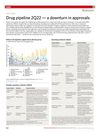
research Drug pipeline 2Q22 — a downturn in approvals
Drug approvals slowed in 2Q22, but notable drugs like Amvuttra, Camzyos, and Olumiant were approved.
research N-Acyl arylsulfonamides as novel, reversible inhibitors of human steroid sulfatase
Scientists found new, better-working inhibitors for a hormone-related enzyme.
research Inhibiting dipeptidyl peptidase 4 positive fibroblasts using zinc sulfide cellulose nanofiber scaffolds to achieve scarless healing
Zinc sulfide cellulose scaffolds can reduce scarring and promote hair growth.
research Short-term efficacy and safety of valproate sustained-release formulation in newly diagnosed partial epilepsy VIPe-study. A multicenter observational open-label study.
Valproate sustained-release is effective and generally safe for short-term treatment of new partial epilepsy.
research Enhanced ex vivo skin retention of bicalutamide using a nano-in-micro composite: Drug-loaded lipid vesicles in a dissolving microarray patch
The new drug delivery system improves bicalutamide skin retention for better treatment of hair loss.
research The multiple uses of azelaic acid in dermatology: mechanism of action, preparations, and potential therapeutic applications
Azelaic acid treats acne, rosacea, and hyperpigmentation with minimal side effects.
research Effectiveness of Low-dose Ethinylestradiol/Cyproterone Acetate and Ethinylestradiol/Desogestrel with and without Metformin on Hirsutism in Polycystic Ovary Syndrome: A Randomized, Double-blind, Triple-dummy Study.
Both oral contraceptives reduced hirsutism in PCOS patients, but adding metformin showed no extra benefit.

research Repurposing of Drugs as Novel Influenza Inhibitors From Clinical Gene Expression Infection Signatures
A blood pressure drug, diltiazem, may also help treat influenza.
research Ultra-low dose estradiol and dydrogesterone for the treatment of menopausal symptoms in a pooled, multi-ethnic population
The treatment effectively reduces menopausal symptoms and is well tolerated.
research How useful is ritlecitinib in alopecia areata?
Ritlecitinib helps regrow hair in alopecia areata and is safe for long-term use.
research Lisinopril-Induced Alopecia: A Case Report
Lisinopril, a heart medication, probably caused hair loss in a patient, which stopped after switching drugs.
research Role of neurosteroids in the anticonvulsant activity of midazolam
Midazolam's seizure prevention is partly due to increased neurosteroid production.
research Serenoa repens (Saw palmetto) for Lower Urinary Tract Symptoms (LUTS): The Evidence for Efficacy and Safety of Lipidosterolic Extracts. Part I
Saw palmetto extract is generally safe and can effectively treat Lower Urinary Tract Symptoms, but its evaluation is affected by varying quality and a need for long-term studies.

research Topical minoxidil hair loss therapy may cause chest pains and palpitations,
research Aromatase inhibition by letrozole attenuates kainic acid-induced seizures but not neurotoxicity in mice
Letrozole reduces seizures but not brain damage in mice.
research Oral Zinc Sulphate in Treatment of Alopecia Areata (Double Blind; Cross-Over Study)
Oral zinc sulphate effectively treats alopecia areata with few side effects.
research Azelaic Acid in the Treatment of Acne in Adult Females: Case Reports
Azelaic Acid is effective and safe for treating adult female acne, with few side effects.
research BH20 An unintended sequela of hair regrowth: severe Janus kinase inhibitor-associated acneiform eruption in alopecia areata
A 30-year-old woman with alopecia areata experienced significant hair regrowth after starting ritlecitinib, a Janus kinase inhibitor, but developed a severe acneiform eruption as a side effect. Despite initial improvement in her hair condition, with a SALT score reduction from 51 to 3, the acneiform eruption persisted, leading to the discontinuation of ritlecitinib. Subsequent treatments with oral prednisolone, trimethoprim, isotretinoin, and erythromycin were only partially effective, and the patient experienced a relapse of alopecia areata with a SALT score of 26. This case underscores the potential for JAK inhibitors to cause significant adverse effects, such as acneiform eruptions, which can limit their use despite successful hair regrowth. The patient's mental health was notably affected by the disease course.

research Targeted transferosomal delivery of cetirizine: A new approach to alopecia management
Cetirizine-loaded gel may effectively promote hair growth in alopecia.
research Finasteride, dutasteride: potential risk of suicidal ideation
research Using patient preference to inform ritlecitinib dose selection for alopecia areata treatment
Patients prefer the higher 50 mg dose of ritlecitinib for better hair regrowth despite higher risks.

research An industry update: what’s new in the field of therapeutic delivery this month?
New drugs for Alzheimer's and rheumatoid arthritis advanced, a Zika vaccine is in development, and there were business deals in anesthesia and oncology.

research Antioxidant potential, anti-inflammatory activity, antidiabetic and cardioprotective effect of Microsechium helleri(Peyr.) Cong.
Microsechium helleri extract has antioxidant, anti-inflammatory, antidiabetic, and heart-protective benefits.
research Low concentration zinc sulphate solution in the management of recurrent herpes simplex infection
Zinc sulphate solution was not effective in reducing the number, duration, or severity of recurrent herpes simplex infections.
research Hair loss with levetiracetam in five patients with epilepsy
Levetiracetam may cause hair loss, which can potentially reverse with lower doses or stopping the drug.
research Dutasteride/finasteride

research Lichen planopilaris treated by the peroxisome proliferator activated receptor-γ agonist pioglitazone: Lack of lasting improvement or cure in the majority of patients
Pioglitazone usually doesn't effectively treat or cure lichen planopilaris.
research The Treatment of Resistant Hypertension
New treatments improved blood pressure control in patients with resistant hypertension.