 February 2026 in “International Journal of Nanomedicine”
 The system improved diabetic wound healing in rats.
 9 citations
,
January 2018 in “Journal of the European Academy of Dermatology and Venereology”
9 citations
,
January 2018 in “Journal of the European Academy of Dermatology and Venereology” A male patient developed frontal fibrosing alopecia after antiandrogen therapy for prostate cancer.
 April 2023 in “Journal of Investigative Dermatology”
 Being allergic to linalool, a common fragrance ingredient, might contribute to developing frontal fibrosing alopecia.
 16 citations
,
October 2014 in “Cell death and disease”
16 citations
,
October 2014 in “Cell death and disease” FoxN1 overexpression in young mice harms immune cell and skin development.
 1 citations
,
April 2018 in “Journal of Investigative Dermatology”
1 citations
,
April 2018 in “Journal of Investigative Dermatology” PRC1 is essential for proper skin development and stem cell formation by controlling gene activity.
 1 citations
,
March 2016 in “Journal of The American Academy of Dermatology”
1 citations
,
March 2016 in “Journal of The American Academy of Dermatology” More research needed to confirm finasteride as standard treatment for FFA.
 June 2026 in “World Journal of Urology”
 Long-term finasteride use may lead to earlier use of ED medication and lower prostate cancer diagnosis rates.
January 2012 in “Zhongguo shengwuzhipinxue zazhi” The material improved facial wrinkles and skin appearance.
1 citations
,
May 2012 in “International Conference on Biomedical Engineering and Biotechnology” TGF-β receptor 1 helps deer antlers grow by aiding skin and cartilage cell growth.
39 citations
,
July 1993 in “The journal of investigative dermatology/Journal of investigative dermatology” FGF and EGF are crucial for hair follicle development and growth.
55 citations
,
November 2010 in “Development” Hair follicles in mutant mice self-organize into ordered patterns within a week.
 September 2024 in “Genes”
 CRABP1 boosts hair cell growth in Hu sheep by affecting key genes.
 39 citations
,
August 2018 in “Scientific reports”
39 citations
,
August 2018 in “Scientific reports” Claudin-1 is important for the barrier function and growth of hair.
1 citations
,
July 2024 in “Journal of Investigative Dermatology” MPZL3 protein affects hair growth cycles and could help manage hair loss.
18 citations
,
August 2012 in “Clinical and Experimental Dermatology” Liposomal IGF-1 safely and effectively treats hair loss in hamsters.
 24 citations
,
February 2015 in “Experimental Cell Research”
24 citations
,
February 2015 in “Experimental Cell Research” NFIC helps human dental stem cells grow and become tooth-like cells.

Inhibiting AP-1 changes skin tumor types and affects tumor cell identity.
 2 citations
,
May 2022 in “Research Square (Research Square)”
2 citations
,
May 2022 in “Research Square (Research Square)” KGF-1 135 is a stable and effective alternative for treating oral mucositis.
 September 2013 in “Hair transplant forum international”
 The document says doctors should identify and treat Frontal fibrosing alopecia medically before considering surgery, as treatments often don't work well.
January 2025 in “Biochemical Pharmacology” Peficitinib can turn human fibroblasts into cells that help grow hair.
1 citations
,
December 2012 in “Journal of Dermatological Science” FGF18 controls hair growth rest phase.
 23 citations
,
January 2012 in “International Food Research Journal”
23 citations
,
January 2012 in “International Food Research Journal” Tofacitinib effectively treated a woman's severe symptoms from a rare autoimmune condition.
23 citations
,
July 2022 in “Nature Cell Biology” Targeting THY1 can improve skin repair and healing.
July 2024 in “Journal of Investigative Dermatology” Linalool in fragrances may harm hair follicles and contribute to hair loss.
April 2017 in “Journal of Investigative Dermatology” Deleting Crif1 in mouse skin disrupts skin balance and hair growth.
Protein profiling of forehead skin can help distinguish between frontal fibrosing alopecia and androgenetic alopecia.
16 citations
,
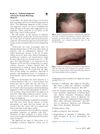
August 2023 in “JAAD Case Reports” JAK inhibitors, like ruxolitinib, may effectively treat frontal fibrosing alopecia.
 8 citations
,
December 2017 in “Journal of The American Academy of Dermatology”
8 citations
,
December 2017 in “Journal of The American Academy of Dermatology” The authors updated the criteria for diagnosing frontal fibrosing alopecia, making it easier to diagnose without a biopsy.
 January 2026 in “Current Issues in Molecular Biology”
 FGF-7 helps hair grow by activating hair follicles and is a promising target for hair loss treatments.
The research developed new fortilin protein constructs for potential heart disease treatments.