 5 citations
,
May 2020 in “Diagnostics”
5 citations
,
May 2020 in “Diagnostics” Lower zinc levels may predict less effective hair loss treatment.
 2 citations
,
September 2023 in “Scientific reports”
2 citations
,
September 2023 in “Scientific reports” The nanocomposite films with vitamins and nanoparticles are promising for fast and effective burn wound healing.
 October 2025 in “Diseases”
 Women with hair loss often have deficiencies in iron, vitamins, minerals, and lower thyroid function, suggesting the need for nutritional and hormonal treatment.
July 2025 in “Nutrición clínica y dietética hospitalaria/Nutrición clínica, dietética hospitalaria” Serenoa repens is the most effective supplement for treating androgenetic alopecia alone, while topical ketoconazole can be a helpful addition.
 October 2022 in “Research, Society and Development”
 Vitamins and minerals don't significantly affect hair loss treatment in patients with telogen effluvium.
 September 2020 in “Benha Veterinary Medical Journal”
 Sheep with skin diseases often have lower levels of certain trace elements and vitamin A, and higher oxidative stress and immunoglobulin E levels.
September 2006 in “Baghdad Science Journal” Lack of certain vitamins and minerals can increase hair loss in pregnant and breastfeeding women.
11 citations
,
April 2017 in “Journal of research in pharmacy practice” The combination of zinc sulfate and calcium pantothenate effectively controls early-stage hair loss.
 January 2022 in “United Research Forum eBooks”
 Picky eating in children is linked to lower zinc levels and various nutritional deficiencies.
April 2019 in “Journal of the Endocrine Society” An over-the-counter vitamin/mineral supplement improved hair loss and blood sugar control in a woman with non-classic 11-hydroxylase deficiency.
The levels of zinc, vitamin D, ferritin, and selenium are different in people with androgenic alopecia compared to a control group.
January 2013 in “INTAS POLIVET” Vitamin A supplements improved skin and health issues in dogs.
August 2024 in “Jordan Medical Journal” Picky eating in children is linked to lower weight, hemoglobin, vitamin D, and zinc levels.
 11 citations
,
January 2011 in “Turkish Journal of Medical Sciences”
11 citations
,
January 2011 in “Turkish Journal of Medical Sciences” Low iron levels are a significant risk factor for hair loss, while high vitamin D levels might be a response to hair loss, not a cause.
October 2025 in “Jurnal Ilmiah Kedokteran dan Kesehatan” Multivitamins can help hair growth and health, especially if you have nutritional deficiencies, but should be used carefully.
 15 citations
,
January 2016 in “Przeglad Menopauzalny”
15 citations
,
January 2016 in “Przeglad Menopauzalny” Eating a balanced diet with specific nutrients is important for menopausal women to manage hair loss.
 10 citations
,
July 2018 in “Our Dermatology Online”
10 citations
,
July 2018 in “Our Dermatology Online” Some vitamins and minerals are important for preventing hair loss, but treating hair loss with them without a known deficiency is not proven effective.
 February 2026 in “Aesthetic Cosmetology and Medicine”
 The treatment improved hair density and condition without side effects.
 November 2024 in “PubMed”
 The supplement improved hair density and was safe to use.
 January 2017 in “Springer eBooks”
 Eating a balanced diet with specific nutrients can help manage menopause symptoms and prevent related health issues.
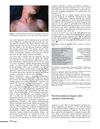
A boy on a ketogenic diet and anti-epileptic drugs developed skin issues due to stopping vitamin supplements, which improved with proper supplementation.
6 citations
,
April 2012 in “PubMed” Enteral supplements can improve symptoms of Cronkhite-Canada syndrome.
5 citations
,
December 2024 in “Journal of Cosmetic Dermatology” Vitamin D and zinc may help treat alopecia areata.
19 citations
,
July 2004 in “Journal of Medical Primatology” Infant baboons suffered from zinc poisoning due to poor cage conditions.
 11 citations
,
October 2015 in “Journal der Deutschen Dermatologischen Gesellschaft”
11 citations
,
October 2015 in “Journal der Deutschen Dermatologischen Gesellschaft” Women who had bariatric surgery risk nutritional deficiencies causing skin issues during pregnancy and breastfeeding.
 239 citations
,
July 2002 in “Clinical and Experimental Dermatology”
239 citations
,
July 2002 in “Clinical and Experimental Dermatology” Low iron and L-lysine levels can cause hair loss in women, and increasing these nutrients can reduce hair shedding.
 95 citations
,
February 2018 in “Dermatology and Therapy”
95 citations
,
February 2018 in “Dermatology and Therapy” Nutraceuticals may improve skin health and protect against aging, but more research is needed on their optimal use and possible health risks.
 79 citations
,
January 2017 in “Dermatology practical & conceptual”
79 citations
,
January 2017 in “Dermatology practical & conceptual” Correcting nutrient deficiencies may help with hair loss, but the benefits of supplements without a deficiency are uncertain and could be harmful.
 70 citations
,
June 2010 in “Clinics in Dermatology”
70 citations
,
June 2010 in “Clinics in Dermatology” Certain groups may need vitamin supplements to improve hair health and prevent other health problems.
 63 citations
,
May 2017 in “American Journal of Clinical Dermatology”
63 citations
,
May 2017 in “American Journal of Clinical Dermatology” People with alopecia areata often have lower levels of vitamin D, zinc, and folate, but more research is needed to understand if supplements can help treat it.