 10 citations
,
October 2014 in “Journal of Ovarian Research”
10 citations
,
October 2014 in “Journal of Ovarian Research” The IRS-2 Asp/Asp genotype may increase the risk of PCOS in Chinese women, especially if they are not obese.
21 citations
,
September 1997 in “British Journal of Dermatology” Monilethrix is linked to the type II keratin gene on chromosome 12q13.
 12 citations
,
February 2021 in “Translational Psychiatry”
12 citations
,
February 2021 in “Translational Psychiatry” Researchers found two new genetic variants linked to Alzheimer's disease.
 93 citations
,
May 2010 in “European Journal of Cancer”
93 citations
,
May 2010 in “European Journal of Cancer” BI 2536 had limited effectiveness against several advanced cancers and caused significant side effects.
6 citations
,
October 2023 in “JAAD Case Reports” Risankizumab may help manage symptoms of dissecting cellulitis of the scalp.
 23 citations
,
December 2013 in “British Journal of Dermatology”
23 citations
,
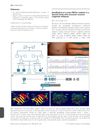
December 2013 in “British Journal of Dermatology” A new gene mutation linked to a skin condition was found in a Spanish family.
1 citations
,
January 1992 in “DNA sequence” Researchers found a non-functional sheep keratin gene due to mutations.
 September 2022 in “Frontiers in genetics”
 A Chinese male with a new genetic mutation has a skin condition and severe urinary issues, with treatments having mixed success.
March 2026 in “Journal of genetics and genomics/Journal of Genetics and Genomics” 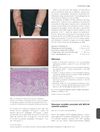 28 citations
,
February 2010 in “British journal of dermatology/British journal of dermatology, Supplement”
28 citations
,
February 2010 in “British journal of dermatology/British journal of dermatology, Supplement” WNT10A mutations cause varied symptoms in patients with odonto-onycho-dermal dysplasia.
1 citations
,
October 2020 in “Research Square (Research Square)” A genetic variant in goats is linked to cashmere growth.
234 citations
,
November 2009 in “American journal of human genetics” Common variants in the Trichohyalin gene are linked to straight hair in Europeans.
1 citations
,
January 2015 in “The Journal of Dermatology” Genetic testing is crucial for diagnosing and managing non-Herlitz junctional epidermolysis bullosa.
 December 2022 in “Frontiers in plant science”
 CCDC22 and CCDC93 are essential for root and root hair growth in Arabidopsis.
July 2022 in “Journal of Investigative Dermatology” 4 citations
,
November 2016 in “The Journal of Dermatology” Pili torti hair is fragile due to loose keratin filaments and weak disulfide bonds.
 November 2022 in “Journal of Investigative Dermatology”
 Scientists developed a new way to study mutations in a skin condition using blood cells, which may help diagnose and treat the disease.
 2 citations
,
March 2023 in “Research Square (Research Square)”
2 citations
,
March 2023 in “Research Square (Research Square)” Forensic DNA phenotyping faces challenges due to inconsistent terminology, limited genetic understanding, and debates over technology and models.
 April 2023 in “The journal of investigative dermatology/Journal of investigative dermatology”
 HPV8 causes hair follicle stem cells to grow, leading to skin lesions.
42 citations
,
May 1997 in “The Journal of Biochemistry” PAD type III enzyme is specific to rat skin and hair follicles.
7 citations
,
June 2015 in “EMBO Reports” Forensic DNA phenotyping can help generate new leads in cold cases but faces accuracy, legal, and acceptance challenges.
January 2013 in “Heilongjiang xumu shouyi” Researchers cloned a gene from Xinjiang fine-wool sheep, finding it very similar to other sheep and somewhat similar to goats, humans, and rabbits.
2 citations
,
May 2014 in “BMC Infectious Diseases” HIV-positive men who have sex with men have a higher rate of anal beta-papillomavirus infections.
 11 citations
,
April 2019 in “Bioscience Reports”
11 citations
,
April 2019 in “Bioscience Reports” Certain genetic variations in the RAB5B gene are linked to a higher risk of polycystic ovary syndrome in Chinese Han women.
5 citations
,
June 2008 in “British Journal of Dermatology”  April 2016 in “The journal of investigative dermatology/Journal of investigative dermatology”
 RPGRIP1L helps skin cells stick together by blocking PKCβII, which can prevent skin blistering like in pemphigus.
 1 citations
,
April 2018 in “Journal of Investigative Dermatology”
1 citations
,
April 2018 in “Journal of Investigative Dermatology” PRC1 is essential for proper skin development and stem cell formation by controlling gene activity.
2 citations
,
January 2010  July 2025 in “Indian Journal of Forensic Medicine & Toxicology”
 DNA phenotyping can predict physical traits like eye, hair, and skin color, improving forensic investigations.
 March 2023 in “JAAD case reports”
 A new genetic change in the keratin 10 gene caused a skin condition called ichthyosis hystrix in a father and his daughter.