1 citations
,
May 2023 in “The Journal of Dermatology” Allergen-specific immunotherapy can significantly improve hair loss and dermatitis symptoms in severe cases.
May 2019 in “Small Animal Dermatology” Effective flea control can resolve hair loss in cats.
 69 citations
,
January 2020 in “Veterinary World”
69 citations
,
January 2020 in “Veterinary World” Ringworm in pets is influenced by fungi type, immune status, and stress hormones.
3 citations
,
July 2025 in “Clinical and Experimental Dermatology” Ritlecitinib may be more effective for severe alopecia areata than conventional treatments.
1 citations
,
October 2025 in “International Journal of Dermatology” Ritlecitinib improves emotional well-being and activity levels in alopecia areata patients.
38 citations
,
September 2017 in “Journal of zoo and wildlife medicine” Oclacitinib maleate successfully treated alopecia in Andean bears.
355 citations
,
January 2017 in “Journal of the American Academy of Dermatology” JAK inhibitors show promise for treating skin conditions like eczema, hair loss, and psoriasis.
April 2011 in “Reactions Weekly”  February 2025 in “Buletin Veteriner Udayana”
 A dog named Boby recovered from a skin infection and anemia after treatment, highlighting the need for pet cleanliness.
2 citations
,
March 2026 in “Journal of Dermatological Treatment” JAK inhibitors for alopecia areata have different safety risks, requiring specific monitoring for each drug.
29 citations
,
November 2021 in “FEBS Open Bio” Cepharanthine analogues, especially tetrandrine, show potential for treating COVID-19.
 3 citations
,
May 2023 in “Clinical drug investigation”
3 citations
,
May 2023 in “Clinical drug investigation” JAK inhibitors for alopecia areata are linked to minor side effects like headache and acne, but not to an increased risk of serious adverse events.
 6 citations
,
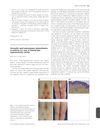
February 2016 in “British Journal of Dermatology”
6 citations
,
February 2016 in “British Journal of Dermatology” A woman with a drug allergy to anakinra was successfully desensitized, allowing her to continue treatment without allergic reactions.
1 citations
,
December 2021 in “Revista Extensão & Cidadania/Revista Extensão e Cidadania” Recurrent dry cough, wheezing, and respiratory discomfort are key symptoms for diagnosing pediatric asthma.
January 2017 in “Journal of Pakistan Association of Dermatologists”  5 citations
,
May 2020 in “Dermatologic Therapy”
5 citations
,
May 2020 in “Dermatologic Therapy” 5-alpha reductase inhibitors might worsen lung recovery in COVID-19 patients, suggesting a pause in their use.
November 2023 in “SKIN The Journal of Cutaneous Medicine” Ritlecitinib effectively maintains hair regrowth in alopecia areata patients.
48 citations
,
July 2023 in “Pediatric Dermatology” Ritlecitinib effectively regrows hair in adolescents with alopecia areata and is safe.
7 citations
,
September 2024 in “The Journal of Dermatology” Ritlecitinib helps regrow hair in people with alopecia totalis and universalis and is safe to use.
5 citations
,
July 2024 in “Archives of Dermatological Research” 
Cepharanthine and tetrandrine show promise as COVID-19 drugs.
May 2024 in “Reactions weekly” 27 citations
,
May 2016 in “Integrative Cancer Therapies” Chrysin makes docetaxel more effective and reduces its side effects in lung cancer treatment.
April 2026 in “Phytotherapy Research” Licorice component glycyrrhizic acid may reduce skin side effects from cancer treatment.
 October 2004 in “Australian Prescriber”
 Lifestyle changes are more effective than medication for reducing type 2 diabetes risk.
November 2023 in “Veterinary Dermatology”  April 2024 in “JEADV clinical practice”
 Upadacitinib significantly improved both rheumatoid arthritis and alopecia areata in a patient.
 4 citations
,
October 2020 in “Research Square (Research Square)”
4 citations
,
October 2020 in “Research Square (Research Square)” Early treatment with certain drug combinations improved COVID-19 outcomes and prevented severe disease in males, including those at higher risk.
November 2025 in “SKIN The Journal of Cutaneous Medicine” Ritlecitinib is effective long-term for treating alopecia areata in teens.