18 citations
,
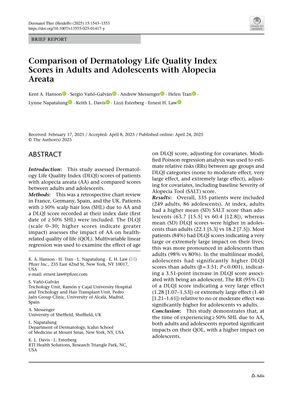
September 2024 in “Journal of the European Academy of Dermatology and Venereology” The DLQI is a key tool for measuring quality of life in dermatology.
2 citations
,
September 2024 in “Journal of the American Academy of Dermatology” Deuruxolitinib significantly helps regrow scalp hair in adults with moderate to severe alopecia areata.
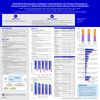
Current treatments for alopecia areata often fail to achieve and maintain significant hair regrowth.
 40 citations
,
June 2023 in “Dermatology and Therapy”
40 citations
,
June 2023 in “Dermatology and Therapy” Alopecia Areata causes emotional stress and stigma, but those with severe hair loss may adapt better.
227 citations
,
April 2023 in “The Lancet” Ritlecitinib effectively treats alopecia areata and is well-tolerated.
 148 citations
,
March 2022 in “The New England Journal of Medicine”
148 citations
,
March 2022 in “The New England Journal of Medicine” Baricitinib was effective in treating alopecia areata in two major trials.
 30 citations
,
September 2020 in “Journal of Patient-Reported Outcomes”
30 citations
,
September 2020 in “Journal of Patient-Reported Outcomes” Alopecia Areata (AA) causes significant emotional distress, including feelings of embarrassment, depression, and anxiety, and impacts social interactions and daily activities.
63 citations
,
March 2020 in “Clinical Cosmetic and Investigational Dermatology” Alopecia areata affects many in the US, impacting quality of life, with limited treatment options.
 95 citations
,
November 2018 in “Australasian journal of dermatology”
95 citations
,
November 2018 in “Australasian journal of dermatology” Alopecia areata treatment varies, with no optimal method established yet.
 128 citations
,
February 2016 in “British Journal of Dermatology”
128 citations
,
February 2016 in “British Journal of Dermatology” Alopecia areata significantly lowers the quality of life, especially in emotional and mental health aspects.
 391 citations
,
January 2010 in “Journal of The American Academy of Dermatology”
391 citations
,
January 2010 in “Journal of The American Academy of Dermatology” Half of people with Alopecia Areata may see hair regrowth within a year without treatment, but recovery is unpredictable.