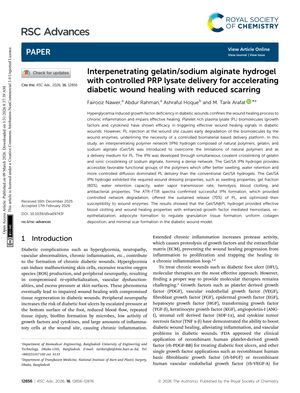
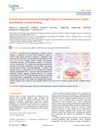
TLDR The hydrogel speeds up diabetic wound healing and reduces scarring.
The study investigates the use of a natural polymer-based interpenetrating network hydrogel, Gel/SA@PL, which releases platelet lysate (PL) growth factors in a controlled manner. This approach aims to accelerate diabetic wound healing by enhancing tissue regeneration and reducing scarring. The findings suggest that the Gel/SA@PL hydrogel is effective in promoting faster and improved healing outcomes for diabetic wounds.

45 citations
,
January 2021 in “Stem Cell Research & Therapy” The combination of stem cell medium and hydrogel effectively reduces and improves hypertrophic scars.
848 citations
,
October 2020 in “International Journal of Molecular Sciences” PRP shows promise in treating joint and spine issues, but translating lab results to humans is challenging.
16 citations
,
December 2019 in “Journal of Cellular and Molecular Medicine” Sonicated platelet-rich plasma boosts hair growth by activating stem cells.
348 citations
,
July 2017 in “Skin appendage disorders” Platelet-rich plasma shows promise for skin and hair treatments but needs more research and standardization.
82 citations
,
May 2020 in “International Journal of Molecular Sciences” Injectable biomaterials can effectively regenerate dental tissues.
6 citations
,
July 2025 in “Advanced Materials” Biomimetic cell membrane-coated scaffolds significantly enhance tissue regeneration by mimicking natural cellular environments.
1 citations
,
November 2023 in “Polymers” Polyurethane dressings show promise for wound healing but need improvements to adapt better to the healing process.
12 citations
,
September 2020 in “Nanomaterials” The new drug delivery system improves vitiligo treatment by enhancing melanocyte activity and viability.
2 citations
,
June 2023 in “Pharmaceutics” Nanofiber scaffolds help wounds heal by delivering drugs directly to the injury site.