 April 2025 in “BMC Immunology”
 Targeting SIRT1 with antisense oligonucleotides could be a promising treatment for hair loss.
July 2024 in “International Journal of Molecular Sciences” RF-based therapies might help treat hair loss.
5 citations
,
June 2024 in “Experimental Dermatology” High beta-hydroxybutyrate levels may worsen hair loss in alopecia areata.
May 2024 in “Molecules/Molecules online/Molecules annual” Plant extracts can help prevent hair loss and promote hair growth.
 April 2024 in “Frontiers in medicine”
 Alopecia Areata significantly lowers quality of life and current treatments are inadequate, highlighting a need for better therapies and standardized treatment protocols.
 February 2024 in “The Open dermatology journal”
 Alopecia Areata affects people of all ages worldwide, is likely caused by genetic and environmental factors, and can lead to stress and depression, highlighting the need for treatments that address both physical and mental health.
 December 2023 in “Annales Pharmaceutiques Françaises”
 The UV–Vis Spectrophotometry method effectively measures minoxidil in rat skin for alopecia treatment.
 4 citations
,
November 2023 in “Frontiers in immunology”
4 citations
,
November 2023 in “Frontiers in immunology” New treatments targeting T-cell pathways are needed for better alopecia areata management.
49 citations
,
October 2023 in “Journal of Dermatological Science”  October 2023 in “Applied materials today”
 New treatment for hair loss using special microneedles shows promise in reducing inflammation and promoting hair growth.
 47 citations
,
September 2023 in “Pharmacological Reports”
47 citations
,
September 2023 in “Pharmacological Reports” Vitamins A, B3, C, D, and E can improve skin health and immunity.
57 citations
,
August 2023 in “American Journal of Clinical Dermatology” JAK inhibitors and platelet-rich plasma show promise for treating alopecia areata.
3 citations
,
July 2023 in “International journal of molecular sciences” Stress may contribute to hair loss in alopecia areata by affecting immune responses and cell death in hair follicles.

New treatments for hair loss should target eight main causes and use specific plant compounds and peptides for better results.
Plant-based compounds can improve wound dressings and skin medication delivery.
 1 citations
,
June 2023 in “Genes”
1 citations
,
June 2023 in “Genes” Hair loss from Alopecia Areata is caused by both genes and environment, with several treatments available but challenges in cost and relapse remain.
 3 citations
,
June 2023 in “Frontiers in medicine”
3 citations
,
June 2023 in “Frontiers in medicine” Oxidative stress may contribute to hair loss in alopecia areata and antioxidants could potentially help as a treatment.
May 2023 in “Clinical, Cosmetic and Investigational Dermatology” More personalized and effective treatments for androgenetic alopecia are needed.
 1 citations
,
March 2023 in “Applied sciences”
1 citations
,
March 2023 in “Applied sciences” Lavender, lemongrass, rosemary, and chamomile essential oils may help protect cells important for hair growth from damage and could promote hair growth.
75 citations
,
March 2023 in “JAMA Dermatology” Alopecia areata and its severe forms are becoming more common, especially among females, adults, and people in the Northeast.
 2 citations
,
January 2023 in “Pharmaceuticals”
2 citations
,
January 2023 in “Pharmaceuticals” Natural products and phytochemicals may help with hair regrowth, but more research is needed.
104 citations
,
January 2023 in “Journal of Clinical Medicine” A holistic approach is needed to effectively address hair loss by understanding and influencing the hair growth cycle.
 9 citations
,
December 2022 in “Phytomedicine”
9 citations
,
December 2022 in “Phytomedicine” More high-quality research is needed to recommend flavonoids and saponins for clinical use.
 8 citations
,
October 2022 in “Regenerative Therapy”
8 citations
,
October 2022 in “Regenerative Therapy” New regenerative treatments for hair loss show promise but need more research for confirmation.
 37 citations
,
August 2022 in “Frontiers in pharmacology”
37 citations
,
August 2022 in “Frontiers in pharmacology” Oral JAK inhibitors are effective and safe for treating alopecia areata but may need ongoing use to keep results.
17 citations
,
May 2022 in “Cells and Development” 49 citations
,
February 2022 in “Drug Design Development and Therapy” Ritlecitinib shows promise for hair regrowth in alopecia areata patients.
 2 citations
,
January 2022 in “Dermatologic Therapy”
2 citations
,
January 2022 in “Dermatologic Therapy” Natural products like saw palmetto, caffeine, melatonin, marine extracts, rosemary oil, procyanidin, pumpkin seed oil, and cannabidiol oil could potentially treat male hair loss.
 1 citations
,
January 2022 in “Faculty reviews”
1 citations
,
January 2022 in “Faculty reviews” The best long-lasting results in treating hair loss may be achieved through combination therapy, including treatments like finasteride, minoxidil, and platelet-rich plasma injections.
76 citations
,
January 2022 in “Journal of Tissue Engineering” Microneedle patches could replace injections but need more development for better use in medicine.
182 citations
,
December 2021 in “Cosmetics” Essential oils in cosmetics offer benefits but require careful formulation for safety and effectiveness.
 4 citations
,
November 2021 in “Biomedicines”
4 citations
,
November 2021 in “Biomedicines” New digital tools are improving the diagnosis and understanding of irreversible hair loss conditions.
17 citations
,
November 2021 in “Journal of Cosmetic Dermatology” Combination therapies for androgenetic alopecia work best but can have significant side effects and costs.
 11 citations
,
November 2021 in “Clinical, Cosmetic and Investigational Dermatology”
11 citations
,
November 2021 in “Clinical, Cosmetic and Investigational Dermatology” Resveratrol may help hair grow, but more research is needed.
 11 citations
,
October 2021 in “Stem Cell Research & Therapy”
11 citations
,
October 2021 in “Stem Cell Research & Therapy” Hair follicle stem cells reduced hair loss and inflammation in mice with a condition similar to human alopecia.
31 citations
,
July 2021 in “ImmunoTargets and therapy” Alopecia areata is an incurable autoimmune condition causing hair loss, with research aiming for better treatments.
 23 citations
,
November 2020 in “Central-European Journal of Immunology/Central European Journal of Immunology”
23 citations
,
November 2020 in “Central-European Journal of Immunology/Central European Journal of Immunology” Alopecia areata, a type of hair loss, is likely an autoimmune disease with a genetic link, but its exact cause is still unknown.
277 citations
,
December 2019 in “Frontiers in Immunology” JAK inhibitors show promise for treating skin disorders like alopecia, eczema, and psoriasis.
15 citations
,
December 2018 in “International journal of environmental research and public health/International journal of environmental research and public health” EGCG may help treat alopecia areata by blocking certain immune responses and reducing specific harmful immune cells.
 95 citations
,
November 2018 in “Australasian journal of dermatology”
95 citations
,
November 2018 in “Australasian journal of dermatology” Alopecia areata treatment varies, with no optimal method established yet.
 18 citations
,
September 2018 in “Current Pharmaceutical Design”
18 citations
,
September 2018 in “Current Pharmaceutical Design” Some medicinal plants may treat hair loss with fewer side effects.
 9 citations
,
December 2017 in “The Journal of Allergy and Clinical Immunology”
9 citations
,
December 2017 in “The Journal of Allergy and Clinical Immunology” New targeted therapies for hair loss from alopecia areata show promise, with personalized treatment expected in the future.
 290 citations
,
December 2017 in “Journal of The American Academy of Dermatology”
290 citations
,
December 2017 in “Journal of The American Academy of Dermatology” Alopecia areata is an autoimmune condition causing hair loss, influenced by genetics, stress, and diet, and may be prevented by a high soy oil diet.
 99 citations
,
July 2017 in “Clinical Reviews in Allergy & Immunology”
99 citations
,
July 2017 in “Clinical Reviews in Allergy & Immunology” New treatments for Alopecia Areata show promise but need to be more effective and affordable.
 77 citations
,
June 2017 in “Advances in Therapy”
77 citations
,
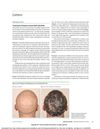
June 2017 in “Advances in Therapy” New treatments for Alopecia Areata, like JAK inhibitors, show promise for hair regrowth and are likely to change future treatment approaches.
 78 citations
,
March 2017 in “JAMA Dermatology”
78 citations
,
March 2017 in “JAMA Dermatology” Tofacitinib helped regrow hair in people with severe alopecia, but side effects occurred and benefits stopped after treatment ended.
 153 citations
,
March 2017 in “Endocrine”
153 citations
,
March 2017 in “Endocrine” Male pattern baldness involves genetics, hormones, and needs better treatments.
 238 citations
,
November 2016 in “Journal of The American Academy of Dermatology”
238 citations
,
November 2016 in “Journal of The American Academy of Dermatology” Tofacitinib is effective and safe for severe hair loss, but full regrowth is less likely after 10 years of hair loss.
 18 citations
,
April 2016 in “Toxicological Research”
18 citations
,
April 2016 in “Toxicological Research” Lavender oil significantly promotes hair growth in mice.
 82 citations
,
March 2016 in “Autoimmunity reviews”
82 citations
,
March 2016 in “Autoimmunity reviews” Animal models have helped understand hair loss from alopecia areata and find new treatments.
 33 citations
,
August 2015 in “F1000Research”
33 citations
,
August 2015 in “F1000Research” New model shows muscle affects hair loss differently in men and women.
62 citations
,
January 2015 in “Journal of Dermatological Science” New genetic discoveries may lead to better treatments for alopecia areata.
71 citations
,
December 2013 in “The journal of investigative dermatology. Symposium proceedings/The Journal of investigative dermatology symposium proceedings” There are no FDA-approved treatments for Alopecia Areata, and current options have varying success and relapse rates.
 61 citations
,
January 2013 in “Indian Journal of Dermatology, Venereology and Leprology”
61 citations
,
January 2013 in “Indian Journal of Dermatology, Venereology and Leprology” Hair usually grows back 1-3 months after treatment for anagen effluvium, and children with Loose Anagen Hair Syndrome often improve by adolescence.
 67 citations
,
January 2013 in “Indian Journal of Dermatology, Venereology and Leprology”
67 citations
,
January 2013 in “Indian Journal of Dermatology, Venereology and Leprology” The document concludes that alopecia areata is an autoimmune disease without a definitive cure, but treatments like corticosteroids are commonly used.
 67 citations
,
January 2013 in “Indian Journal of Dermatology, Venereology and Leprology”
67 citations
,
January 2013 in “Indian Journal of Dermatology, Venereology and Leprology” Chronic Telogen Effluvium may resolve after years and is diagnosed by examining the patient's history and clinical signs, with treatment aimed at underlying causes and possibly minoxidil.
40 citations
,
October 2012 in “Dermatologic clinics” More research is needed to understand the genetic causes of Alopecia areata to develop better treatments.
 24 citations
,
October 2012 in “Journal of Ginseng Research”
24 citations
,
October 2012 in “Journal of Ginseng Research” Korean Red Ginseng may help improve hair regrowth when used with corticosteroid injections for Alopecia Areata.
 109 citations
,
May 2011 in “Dermatologic Therapy”
109 citations
,
May 2011 in “Dermatologic Therapy” Alopecia areata is a type of hair loss that can lead to complete baldness, often associated with other autoimmune conditions, and half of the cases may see hair return within a year.
36 citations
,
January 2010 in “International Journal of Trichology” Intralesional steroids can help regrow hair in some alopecia areata patients but have side effects.
15 citations
,
December 2009 in “American journal of clinical dermatology” The effectiveness of alternative treatments for alopecia areata is uncertain and needs more research.
 759 citations
,
February 2009 in “Current Biology”
759 citations
,
February 2009 in “Current Biology” Hair follicles are complex, dynamic mini-organs that help us understand cell growth, death, migration, and differentiation, as well as tissue regeneration and tumor biology.
 149 citations
,
March 2004 in “Journal of Dermatological Science”
149 citations
,
March 2004 in “Journal of Dermatological Science” Minoxidil boosts hair growth by increasing cell production and survival.
 29 citations
,
January 2004 in “Experimental Dermatology”
29 citations
,
January 2004 in “Experimental Dermatology” Topical anthralin helped regrow hair in mice with a condition similar to human alopecia.
91 citations
,
March 1996 in “Archives of Dermatological Research” Certain cytokines and growth factors can inhibit hair growth and may affect alopecia areata.
 80 citations
,
October 1983 in “BMJ”
80 citations
,
October 1983 in “BMJ” Minoxidil helps hair regrowth in alopecia patients, with 16 having good results and no side effects.