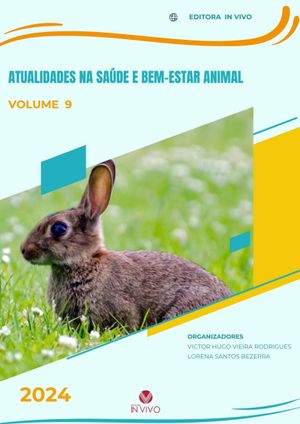
Aspects of Strongyloidiasis in Dogs and Its Impact on Public Health
January 2024
in “
Editora In Vivo eBooks
”
TLDR Dogs can transmit a parasite to humans, especially affecting those with weak immune systems, so early diagnosis and treatment are crucial.
The document examines the public health impact of strongyloidiasis in dogs, highlighting their role as primary hosts for Strongyloides spp., which can be transmitted to humans, particularly affecting immunocompromised individuals. In Brazil, dogs, especially those in shelters or stray, have a 38% infection rate and can transmit Strongyloides stercoralis to humans, causing gastrointestinal and respiratory issues. Diagnosis is conducted through coproparasitological techniques, and treatment involves anti-helminthic drugs like ivermectin and albendazole. The study emphasizes the importance of early diagnosis, treatment, and preventive measures to mitigate the epidemiological risks associated with these infections.