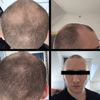
The conclusion of the conversation is that the user should consider using treatments such as finasteride, minoxidil, and RU58841 to potentially reverse their hairloss. Other suggestions include using hairloss concealers and maintaining a healthy diet.
The user experienced long-term pain after an FUE hair transplant and is considering Kenacort injections for relief. They also reported brain fog, dizziness, and anxiety after stopping minoxidil and finasteride, and are currently using PRP, microneedling, and rosemary oil for hair maintenance.
The user is concerned about hairloss and is considering treatments like finasteride and minoxidil but is unsure about their effectiveness and side effects. They have experienced mixed reactions to shaving their head and are struggling with confidence due to balding.
A 17-year-old experiencing hairloss, thinning, and white hair seeks advice on effective treatments. They have started using shampoo and conditioner but have not seen improvement and are open to product suggestions.
Creatine may cause hairloss in some individuals, especially those on finasteride, despite no scientific link. Personal experiences suggest individual sensitivity to DHT could be a factor.
Finasteride users may have an increased risk of depression, anxiety, and suicidal thoughts, though some attribute these issues to hairloss itself. The link between finasteride and mental health effects is debated, with varying user experiences.
A 15-year-old is experiencing hairloss and is considering treatment options. They are aware they cannot use DHT blockers like finasteride due to their age and are exploring other causes like Telogen Effluvium.
Creatine may accelerate hairloss in those genetically predisposed, with some users reporting increased shedding while taking it and improvement after stopping. Some users use treatments like finasteride and minoxidil, while opinions on creatine's impact vary.
A new hairloss treatment using dermal exosomes can restore up to 90% of lost hair in mice. Users discuss potential human trials and compare it to Minoxidil and Finasteride.
The conversation discusses hairloss causes beyond male pattern baldness, mentioning treatments like ketoconazole, zinc shampoo, and finasteride. Stress-related hairloss (telogen effluvium) is also suggested.
Dutasteride mesotherapy in women with metabolic syndrome accelerated hairloss after initial regrowth, while women without metabolic syndrome saw continuous regrowth. The user with mild insulin resistance is hesitant to try topical dutasteride and seeks experiences from others with insulin resistance.
A user shared their 4-year hairloss journey, starting with finasteride and minoxidil, then adding dutasteride and oral minoxidil, which improved their hair. They are now considering RU58841 and a hair transplant in the future.
A user shared a 9-month hair recovery journey from androgenic alopecia using 1 mg finasteride daily, 5% minoxidil twice daily, and weekly dermarolling with a 1.5 mm roller. Some responders were skeptical about the authenticity of the results, while others confirmed the consistency of the user's appearance and supported the effectiveness of the treatment.
Treatments for hairloss, such as topical minoxidil, platelet-rich plasma therapy with or without minoxidil, ketoconazole, non-abative radio frequency, natural products, finasteride and cortexolone 17 alpha propionate. The post evaluates the efficacy and safety of these treatments in various studies.
The user experienced worsening hairloss despite using finasteride and dutasteride. They are considering trying minoxidil but are unsure if it will help.
The user is experiencing aggressive hairloss since their teens and has tried finasteride, topical minoxidil, dutasteride, and oral minoxidil without success in halting the hairloss. They are seeking advice on how to stop it.
The user shared their hairloss treatment progress using minoxidil, ketoconazole shampoo, a dermaroller, biotin, Pura d'or shampoo, and Propidren. They apply minoxidil daily, take Propidren and biotin pills, use two types of shampoo, and use a dermaroller weekly, avoiding finasteride due to concerns about side effects.
The user has been successfully managing hairloss for five years using oral minoxidil and finasteride. They experienced significant improvement and plan to continue the treatment without breaks to maintain results.
Various peptides are discussed for treating male pattern baldness, with some available for topical use like GHK-Cu and Ac-KGHK, while others remain in research stages. Users are interested in experiences and sourcing these treatments.
The user treats hairloss with dutasteride, minoxidil, and tretinoin for about £280 a year by using dutasteride weekly due to its long half-life, while using minoxidil daily. Concerns about the shelf life and absorption of topical treatments were discussed, with some users suggesting alternative sources for these products.
The conversation discusses a hairloss treatment regimen involving high doses of dutasteride, finasteride, and minoxidil, with concerns about safety and potential side effects. Users advise against the excessive use of these medications, suggesting more moderate approaches and consulting a doctor.
The user is experiencing asymmetrical hairloss at the frontal hairline and is concerned about potential conditions like frontal fibrosing alopecia. They have started using finasteride and pumpkin seed oil to address the issue.
The conversation is about a 19-year-old female experiencing hairloss, potentially due to deficiencies in iron, ferritin, and vitamin D. She is considering iron and vitamin D supplementation and exploring dietary changes, while also planning to consult a dermatologist when possible.
The user is taking 2.5 mg dutasteride and 5% minoxidil but is not seeing hair regrowth, and is considering adding RU58841. They are experiencing fatigue and low MCV/MCH, possibly related to dutasteride, and are advised to be patient, consider microneedling, and check for iron deficiency.
The user is experiencing hairloss with symptoms of receding hairline, extreme shedding, and low density, possibly due to androgenic alopecia, diffuse thinning, retrograde alopecia, or telogen effluvium. They have used minoxidil and noticed changes in shedding patterns related to different water qualities and seborrheic dermatitis.
The conversation is about a user sharing their progress with hairloss treatment using 2.5 mg oral finasteride and a 5% minoxidil spray, encouraging others to stay consistent. The user noticed results in mid-August and has not experienced side effects, despite the high dosage of finasteride.
High sugar diets may worsen hairloss by increasing 5α-reductase activity and androgen levels, especially in women with PCOS. A low sugar diet might reduce scalp DHT levels, similar to finasteride, but genetics also significantly influence hairloss.