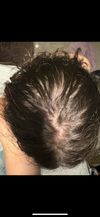
The user experienced hair loss since 2019 and tried finasteride, dutasteride, RU58841, and ketoconazole shampoo without success. A scalp biopsy showed scarring and inflammation from folliculitis, indicating chronic inflammation was affecting treatment effectiveness.
A user has been experiencing hair loss for 4 years, with treatments like minoxidil, finasteride, and various supplements proving ineffective. They were diagnosed with fibrosing alopecia in a pattern distribution, a condition that may require a combination of anti-inflammatory and hair growth treatments.
A 24-year-old male experienced side effects like low libido and ED after starting finasteride post-hair transplant and is seeking alternatives to reduce scalp DHT. Suggestions include topical finasteride, Xpecia, DHT-reducing shampoos, and switching to dutasteride, with some users reporting fewer side effects with these alternatives.
Pelage is developing a topical hair follicle stem cell therapy, PP405, for non-scarring alopecias like androgenetic alopecia, with Phase III trials planned and a potential market launch by 2027. The treatment may not require continuous use after initial regrowth.
Scalp biopsies are crucial for diagnosing hair loss conditions like Diffuse Unpatterned Alopecia (DUPA) and retrograde hair loss, as treatments like finasteride and dutasteride may not be effective if other conditions are present. Combining PPAR-GAMMA agonists with retinoids could improve treatments for conditions like Lichen Planopilaris.
The user is considering using topical finasteride for thinning hair around the middle part, vertex, and crown, and is unsure if the whole scalp is thinning. Another user suggests oral finasteride is more effective than topical, and recommends consulting a dermatologist for proper treatment.
Follicusan DP is discussed as a potential alternative to Minoxidil without side effects, but information is scarce. It is noted to be of German origin and details on its mechanism are limited.
The conversation discusses the potential benefits of creating a hydrophobic version of finasteride to reduce systemic side effects while maintaining scalp health. It compares this idea to fluridil, which is designed to be hydrophobic and has less systemic absorption.
A peptide-based delivery system for finasteride shows promise in reducing systemic side effects while maintaining hair growth effectiveness. Combining this with other treatments like minoxidil and RU58841 could enhance results with lower systemic absorption.
The conversation discusses a topical finasteride therapy with hydrocortisone butyrate, estrone base, and breviline. A user suggests oral finasteride as a superior option.
A user reported that Procerin, containing Saw Palmetto and Pumpkin seed oil, provided similar hair thickening results as finasteride but with milder side effects. They experienced reduced libido and watery ejaculations but are adjusting the dose to minimize these effects.
The conversation discusses the completion of a Phase II trial recruitment for Breezula (CB-03-01), a potential treatment for androgenic alopecia. Specific treatments mentioned include Minoxidil, Finasteride, and RU58841.
Breezula (clascoterone) and Formula 82F (topical finasteride) are treatments for hair loss that block DHT differently; Breezula competes with DHT at the hormone receptor site without systemic effects, while 82F inhibits the enzyme that converts testosterone to DHT. Breezula may work for those who don't respond to finasteride and vice versa.
The user experienced hair regrowth and improved hair density using oral finasteride and topical minoxidil, with microneedling as an additional treatment. They are considering a hair transplant for low-density areas but are uncertain due to existing follicles.
TGF-B affects hair growth, both causing stem cell division and death depending on amounts. Amplifica's treatment injects Scube3 to increase TGF-B for hair growth.
The conversation discusses the potential of Sanguisorba Officinalis Root Extract as a treatment for hair loss by inhibiting FGF-5. The user also mentions the product évolis, which is based on this extract but is only available in the US and Australia.
The user experienced significant hair regrowth in three months using a capsule containing minoxidil and finasteride. They reported no major side effects and plan to continue the treatment until their late 20s.
A user started taking 0.5 mg of finasteride daily and noticed watery semen, questioning if it's normal or if they should adjust the dosage. Another user suggested it might indicate reduced fertility and may not improve.
The user has been taking oral finasteride for 2 months, experiencing more hair loss but noticing some fuzzy hair growth on the scalp. They are questioning if this new hair growth is significant.
After 8 months of using topical finasteride, hair miniaturization continues, raising concerns about its effectiveness. Microneedling is suggested as a possible complementary treatment.
After nearly four months on finasteride, a user noticed improved hair quality but developed nipple puffiness, suggesting early signs of gynecomastia. They considered switching to other treatments like CB-03-01 or RU58841 and contemplated consulting an endocrinologist about aromatase inhibitors.
The conversation discusses hair thinning and treatments like Minoxidil, finasteride, and RU58841. The user is concerned about distinguishing between natural hair parting and actual thinning.
Breezula shows promising hair growth results, with up to 539% increase in hair count compared to placebo, and regulatory submissions are planned in the US and EU. Users are cautiously optimistic, noting the potential for Breezula to replace finasteride by targeting DHT without systemic effects.
The user is experiencing breast tenderness and lumps after three weeks on 0.5 mg oral finasteride, a common side effect. They also report mild brain fog and fatigue but are less concerned about these symptoms.
User added RU and pyrilutamide for hair growth and noticed more baby hairs. Others suggest sticking with fin and min, while some discuss the user's self-image and hair loss severity.
A 22-year-old with high estradiol levels is considering starting finasteride for hair loss. They have an upcoming endocrinologist appointment to discuss whether they should proceed with the treatment.
A 33-year-old experienced significant hair regrowth on the crown after one year of using oral finasteride (1mg) and minoxidil (2.5mg) daily, with initial concerns about libido that resolved after a week. The user reported minimal shedding and no other side effects, making a hair transplant optional.
Bishiop shares 9-month hairline progress using Finasteride for 276 days and Minoxidil for 75 days. Regimen includes daily Finasteride, topical Minoxidil, dermarolling, and specific shampoos/conditioners; experienced temporary side effects.