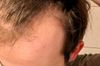
A user experienced severe scalp itching with MPB and found Nizoral ineffective. A doctor diagnosed seborrheic eczema and prescribed Betacap, which relieved the itching.
DutchFella1993 has been using a lotion with finasteride and minoxidil for hair regrowth with some success and is considering using ketoconazole shampoo daily to reduce scalp itchiness. There's concern about the harshness of daily shampooing and twice-daily lotion application, and one reply suggests that daily use of ketoconazole may damage hair and questions its effectiveness, while also noting that once-daily minoxidil application is sufficient.
A user experienced significant hair shedding after 8 months of using oral dutasteride (0.5 mg), minoxidil (2.5 mg), and biotin (5 mg) daily. They are concerned about the effectiveness of the treatment and possible resistance to dutasteride.
Minoxidil can cause scalp flaking and dryness, often due to its alcohol content. Switching to foam minoxidil or using antifungal shampoos like Ketoconazole may help reduce these side effects.
A 22-year-old is experiencing worsening hair loss despite using a doctor-prescribed serum and shampoo. They are seeking advice on additional treatments like Minoxidil, finasteride, or RU58841.
The user experienced significant hair regrowth after using 1.25mg finasteride for 7 months, with no side effects, and is considering whether to keep or remove a previous SMP (scalp micropigmentation). They avoided minoxidil due to dandruff and sensitive scalp concerns, and they use a specific dandruff shampoo once a week.
A user has been treating hair loss with finasteride for two years without success and is experiencing an itchy scalp with seborrhea. Despite low DHT levels, they are still losing hair, suggesting that DHT might not be the main cause of their hair loss, and they are considering other treatments or causes.
Using Megatek with minoxidil significantly increases hair growth, especially vellus hairs, but is less effective alone. Biotin and ketoconazole shampoo are also used to support hair health.
A user experienced excessive hair shedding after taking 17 mg of Zinc gluconate daily for acne. They are seeking advice on similar experiences and solutions.
The conversation is about recommending a biotin supplement that includes saw palmetto and possibly copper for hair loss. The user is seeking suggestions for these specific ingredients.
The conversation is about someone's 13-month hair regrowth progress using 0.5 mg Dutasteride daily, 5% Minoxidil twice daily, Biotin tablets, and Sebizole shampoo. They are happy with the results.
The conversation discusses methods to further reduce DHT in the scalp for hair loss treatment, with users suggesting various approaches like using dutasteride, minoxidil, tretinoin, and natural supplements like pumpkin seed oil. Some users also mention using topical applications and scalp massages to enhance the effectiveness of these treatments.
A 27-year-old male is experiencing hair loss and dandruff, despite trying various treatments like cortisone, diflucan, and natural remedies. He is considering shaving his head and is seeking advice on the "Big 3" treatment, which includes Minoxidil, finasteride, and RU58841.
Volume boost shampoos, specifically Schwarzkopf Professional Bonacure Collagen Volume Boost Micellar Shampoo, may potentially impact hair due to creatine's effect on DHT. The user likes the shampoo for its gentle nature and thickening effect but is concerned about long-term use.
The user is experiencing severe hair shedding after using RU58841, stemoxydine, and minoxidil, and has stopped using finasteride due to side effects. They hope the shedding is temporary and will lead to regrowth.
The user experienced hair thickening and reduced shedding using minoxidil, finasteride, and dutasteride, with a switch from finasteride to dutasteride due to ineffectiveness. They also use a saw palmetto shampoo and take vitamin D3 supplements, while considering potential underlying causes like vitamin deficiencies and hard water buildup.
A user has been using Stemoxydine (Kerastase Cure Densifique) along with finasteride, rogaine 5% foam, nizoral, and revian red lllt for hair loss but needs a new Stemoxydine product since Kerastase discontinued theirs. They are seeking recommendations for a similar alternative.
The user started using a hair loss treatment regimen including 5% minoxidil spray twice daily, 1% finasteride spray once daily, microneedling weekly, and ketoconazole shampoo twice a week, experiencing significant hair shedding. The shedding is seen as a positive sign, indicating hair follicles are entering a new growth phase.
The user started using topical and oral minoxidil in December 2024, added keto shampoo in February 2025, and began using a topical mix of dutasteride and minoxidil. The keto shampoo helped with scalp itchiness, but the hairline looks the same, and existing hairs appear frail and thin.
The conversation discusses a hair loss treatment routine using Minoxidil twice daily, Finasteride once daily, and ketoconazole shampoo twice a week. Users are supportive and curious about the start date of the routine.
User reports 7 months progress using Finasteride, Minoxidil, and Keto Shampoo & Conditioner, with positive results and no side effects. Others in the conversation congratulate the user and discuss the effectiveness of the treatments.
The user experiences an itchy scalp despite using finasteride and ketoconazole shampoo for hair loss. Suggestions include trying different shampoos, switching to dutasteride, and using topical treatments for inflammation.
Red light therapy has shown promising results in hair regrowth for the user, who avoids minoxidil and finasteride due to side effects. The user follows a healthy lifestyle with diet, exercise, and sauna use, and will continue monitoring the therapy's effectiveness.
A user shared their positive experience using 1mg of oral finasteride daily for a year, noting significant hair regrowth and no negative side effects. Other users discussed their own experiences with finasteride, shedding, and side effects, with some considering adding minoxidil to their routine.
A 23-year-old woman is considering starting minoxidil for hair thinning but is concerned about its long-term use and effectiveness. Recommendations include consulting a doctor, checking ferritin levels, and considering treatments like spironolactone or finasteride, while minoxidil is suggested for regrowth but not as a primary treatment.
The user has been on a comprehensive hair loss treatment regimen for four years, including Dutasteride, topical and oral Minoxidil, and various other treatments, but has seen little progress and is considering a hair transplant. Despite trying multiple therapies, including PRP and exosome injections, the user is still experiencing hair thinning and is hesitant about trying peptides due to potential cancer risks.
A 19-year-old is using finasteride, dutasteride, and minoxidil to combat hair loss, seeing improved hair density but minimal hairline regrowth. Users suggest patience, continued treatment, and possibly considering a hair transplant in the future.
The user experienced significant hair loss after 9 months of using 0.5mg dutasteride and oral minoxidil, possibly due to alopecia areata. It is advised to consult a doctor for accurate diagnosis and treatment, as dutasteride and finasteride may not be effective.
A 15-year-old is concerned about hair loss, possibly at Norwood 2 or 3, and is using shampoos and conditioners recommended by a trichologist. Suggestions include considering topical minoxidil and consulting a doctor about topical anti-DHT treatments like finasteride or RU58841, but avoiding 5-alpha-reductase inhibitors at this age.
The user is taking 2.5 mg dutasteride and 5% minoxidil but is not seeing hair regrowth, and is considering adding RU58841. They are experiencing fatigue and low MCV/MCH, possibly related to dutasteride, and are advised to be patient, consider microneedling, and check for iron deficiency.