11 citations
,
June 2013 in “PubMed” The automated flat iron can permanently straighten hair without chemicals, especially at 154°C, and silicone improves the results.
 2 citations
,
December 2013 in “Current Oral Health Reports”
2 citations
,
December 2013 in “Current Oral Health Reports” Bioengineered teeth could replace damaged teeth and restore oral functions.
43 citations
,
January 2016 in “Oxidative medicine and cellular longevity” THSG from a Chinese plant helps with aging and related diseases.
8 citations
,
August 2012 in “Clinical, cosmetic and investigational dermatology” Doublebase gel hydrates skin better and is preferred by most users over Aqueous cream.
2 citations
,
June 2021 in “Bezmialem Science” The best speed for preparing platelet-rich plasma with PRPBAG® is 1800 rpm.
21 citations
,
March 2022 in “Pharmaceuticals” The new Brigatinib nanocarrier is more effective against lung cancer cells than the free drug.
33 citations
,
June 2022 in “Materials Today Bio” Injectable biomaterials show promise for treating spinal degeneration but need better design for effective use.
 6 citations
,
February 2016 in “Journal of Microencapsulation”
6 citations
,
February 2016 in “Journal of Microencapsulation” Improved finasteride formula allows slow, sustained release and better absorption for patients.
 17 citations
,
August 2024 in “Discover Nano”
17 citations
,
August 2024 in “Discover Nano” Polyesters show promise for repairing damaged blood vessels.
42 citations
,
February 2024 in “Advanced Functional Materials” The adhesive quickly stops bleeding and repairs wounds in wet conditions.
104 citations
,
January 2022 in “Materials Today Bio” Zn-incorporated gelatin hydrogels effectively heal infected wounds by reducing inflammation and promoting tissue growth.
June 2026 in “Chemical Engineering Journal”  6 citations
,
September 2019 in “Journal of Cosmetic Dermatology”
6 citations
,
September 2019 in “Journal of Cosmetic Dermatology” Laser treatment effectively increases hair density and thickness in androgenic alopecia.
8 citations
,
October 2002 in “Journal Of Clinical Periodontology” Levamisole and finasteride can reduce DHT production, potentially preventing phenytoin-induced gum overgrowth.
 December 2022 in “bioRxiv (Cold Spring Harbor Laboratory)”
 The new vaccine platform led to a stronger immune response and better protection against the flu than the traditional vaccine.
 2 citations
,
December 2024 in “Bulletin of Rehabilitation Medicine”
2 citations
,
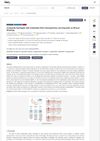
December 2024 in “Bulletin of Rehabilitation Medicine” Chitosan glycolate and lactate sponges are promising for wound healing, while chitosan ascorbate sponges are less effective.
April 2016 in “Studies in Conservation” Balancing display and preservation of Robert Gober's wax legs is crucial.
 1 citations
,
August 2023 in “Gels”
1 citations
,
August 2023 in “Gels” The hydrogel with silver and ibuprofen promotes wound healing and fights infection.
Moisture makes hair flexible for reshaping during blowouts.
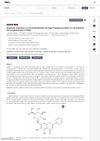
Enzymatic synthesis improved the water solubility of the flavonoid baicalin, which may help treat hair loss conditions.
 30 citations
,
July 2001 in “BJUI”
30 citations
,
July 2001 in “BJUI” Combination therapy improves urinary flow and reduces residual urine, but needs better stent design.
4 citations
,
November 2024 in “Nano Biomedicine and Engineering” Jackfruit leaf-derived silver nanoparticles in gel form effectively fight infections, especially against E. coli.
203 citations
,
May 2022 in “Pharmaceutics” Gelatin shows promise for future medical uses due to its safety and versatility, despite some challenges.
36 citations
,
October 2023 in “Periodontology 2000” L-PRF is effective for bone regeneration in the mouth.
 March 2014 in “Journal of The American Academy of Dermatology”
 Tavaborole is a safe and effective toenail fungus treatment, with the 5% solution being the best option.
 5 citations
,
September 2019 in “ACS Applied Bio Materials”
5 citations
,
September 2019 in “ACS Applied Bio Materials” The hydrogel with bioactive factors improves skin healing and regeneration.
 June 1999 in “Proceedings of SPIE”
 The CO₂ laser is better for hair transplantation because it causes less damage than the Ho:YAG laser.
July 2026 in “npj Regenerative Medicine” Nanoclay gels improve skin wound healing quality in diabetic mice.
 15 citations
,
June 2020 in “Applied Materials Today”
15 citations
,
June 2020 in “Applied Materials Today” The SA-MS hydrogel is a promising material for improving wound healing and skin regeneration in diseases like diabetes and skin cancer.
6 citations
,
January 2025 in “Journal of Materials Chemistry B” Liposome-composite hydrogel microspheres are promising for safe, controlled drug delivery.