Search
for
Sort by
Research
630-660 / 1000+ results
research Hair follicle organoids: advances in construction, applications, and translational challenges
Hair follicle organoids can help study hair biology and disorders but need improvements for wider use.

research The Rise of Induced Pluripotent Stem Cell Approach to Hair Restoration
Using special stem cells, we can create new hair follicles, potentially making hair restoration easier and more affordable.

research Activating an adaptive immune response from a hydrogel scaffold imparts regenerative wound healing
A special gel scaffold was made that speeds up wound healing and skin regeneration, even though it breaks down faster than expected.
research Biological activity and hair inducing function of biomimetic dermal papilla spheres prepared by hanging drops of methacrylate gelatin
Biomimetic dermal papilla spheres can help regenerate hair to some extent.
research Bioinspired Antibacterial-Antioxidant Bioactive Hydrogel Synchronizes Immunomodulation-Microenvironment Remodeling for Infected Wound Regeneration
The hydrogel speeds up wound healing by fighting infections and supporting tissue repair.
research Tissue-Engineered Skin Preserving the Potential of Epithelial Cells to Differentiate into Hair After Grafting
Tissue-engineered skin can support hair growth after grafting, especially with mouse-derived dermis.
research The Role of Thymosin Beta 4 on Odontogenic Differentiation in Human Dental Pulp Cells
Thymosin Beta 4 helps human dental pulp cells develop into tooth-forming cells, suggesting it could aid dental regeneration.
research Development of Hair Follicle Dermal Papilla Spheroids Encapsulated in Alginate Hydrogel with Extracellular Matrix Protein
Encapsulating hair follicle cells in a special gel boosts their activity.

research Development and Prospects of Organ Replacement Regenerative Therapy
Scientists have made progress in creating replacement teeth, hair, and glands that work, which could lead to new treatments for missing teeth, baldness, and dryness conditions.

research A model system to analyse the ability of human keratinocytes to form hair follicles
Scientists developed a system to study human hair growth using skin cells, which could help understand hair development and improve skin substitutes for medical use.
research Direct Conversion of Human Fibroblasts into Hair-Inducing Dermal Papilla Cell-Like Cells by a Single Small Molecule
research Hair Follicle Organoids Using Human iPSC-Derived Ectodermal Precursor Cells for Hair Regenerative Medicine
Human stem cells can help grow hair for regenerative medicine.
research Biocompatibility of hair follicle stem cells and heterogeneous bladder acellular matrixat
Hair follicle stem cells work well with bladder matrix for bladder repair.

research Automatic Biofibre® Hair Implant an Innovative Hair Restoration Technique for the Improvement of Quality Life
The Automatic Biofibre® Hair Implant is a fast and effective hair restoration method that provides immediate cosmetic benefits and good results in over 90% of cases, but requires proper care to avoid complications.
research Dermal papilla cells induce keratinocyte tubulogenesis in culture Elina S. ChermnykhEkaterina A. VorotelyakKsenia Y. Gnedeva • Marianna V. MoldaverYegor E. YegorovAndrey V. Vasiliev •
Dermal papilla cells can help form hair-like structures in lab-grown skin cells.

research Design of a RADA16-based self-assembling peptide nanofiber scaffold for biomedical applications
RADA16 is a promising material for tissue repair and regenerative medicine but needs improvement in strength and cost.
research Blood in the Church: The Inquisition against Hernando Alonso
Mechanical forces are crucial for hair regeneration in skin organoids.
research Industrial Mass Production of Platelet Dry Powder
Pig blood can be used to mass-produce stable, low-cost platelet dry powder for medical use.
research Abstract 82
Fetal scalp cells have more regenerative genes than adult cells, and decellularized muscle matrix is better for muscle repair than commercial alternatives.
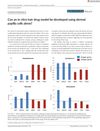
research Can an in vitro hair drug model be developed using dermal papilla cells alone?
Dermal papilla microtissues could be useful for initial hair growth drug testing.

research Direct Reprograming of Mouse Fibroblasts into Dermal Papilla Cells via Small Molecules
Scientists turned mouse skin cells into hair-inducing cells using chemicals, which could help treat hair loss.
research Development of a mechanically stable human hair keratin film for cell culture
A new film made from human hair supports skin cell growth better than collagen.
research Generating hair follicle inductive dermal papillae cells from adipose derived mesenchymal stem cells
Adipose-derived stem cells can be used to create cells that help grow new hair.

research Construction of Large‐Scale Bioengineered Hair Germs and In Vivo Transplantation
Bioengineered hair germs using special hydrogels can help regenerate hair follicles and treat hair loss.
research Chaotrope-Guided Protein Microneedles with High Drug-Loading Capacity, Ultrafast Dissolution, and High Mechanical Strength

research Industrial-scale processing of activated platelet-rich plasma from specific pathogen-free pigs and its effect on promoting human hair follicle dermal papilla cell cultivation
Pig blood plasma can be used to promote human hair growth and is a good alternative to the commonly used serum additive.
research Three-dimensional models: from cell culture to Patient-Derived Organoid and its application to future liposarcoma research
3D models and organoids improve liposarcoma research and therapy development.
research Two- and Three-Dimensional Culture of Keratinocyte Stem and Precursor Cells Derived from Primary Murine Epidermal Cultures
research State of the Art in Constructing Gas-Propelled Dissolving Microneedles for Significantly Enhanced Drug-Loading and Delivery Efficiency
Gas-propelled dissolving microneedles improve drug loading and delivery efficiency.