 April 2008 in “Medical & surgical dermatology”
 Certain hairstyles can cause scalp diseases, smoking is linked to hair loss, 5% minoxidil foam is effective for hair loss treatment, and various factors influence wound healing and hair growth.

Treatments for hair loss vary, but cell-based options may be the future.
 June 2012 in “Prescriber”
 Topical minoxidil effectively and safely treats female pattern hair loss, but other treatments need more research.
 April 2024 in “Anais brasileiros de dermatologia/Anais Brasileiros de Dermatologia”
 Using both minoxidil and biotin together increased hair growth more than using either one alone.
 29 citations
,
December 1998 in “Seminars in Cutaneous Medicine and Surgery”
29 citations
,
December 1998 in “Seminars in Cutaneous Medicine and Surgery” New treatments for hair loss show promise, especially finasteride for men and a stronger minoxidil formula.
 August 2024 in “Pakistan Journal of Health Sciences”
 PRP with finasteride is better for hair regrowth than minoxidil with finasteride.
 March 2023 in “International Journal of Trichology”
 Using both minoxidil and finasteride together is more effective for male hair loss than using either one alone.
March 2026 in “Journal of medical & health sciences review.” Both 5% minoxidil foam and liquid effectively treat hair loss, with foam slightly preferred.
12 citations
,
October 2001 in “Journal of the American Academy of Dermatology” Topical 5% minoxidil lacks strong evidence for treating alopecia areata.
 February 2026 in “Archiv Euromedica”
 Finasteride effectively treats male hair loss, with oral and topical forms improving hair growth, but oral use may have side effects.
11 citations
,
July 2018 in “AJGP” Low-dose oral minoxidil effectively reduces hair loss in women with female pattern hair loss.
 8 citations
,
April 2017 in “International Journal of Dermatology”
8 citations
,
April 2017 in “International Journal of Dermatology” Applying 5% minoxidil to fingernails can significantly increase their growth rate.
 May 2023 in “Journal of Clinical Medicine”
 New understanding and treatments for hair loss are improving, but more research is needed.
 59 citations
,
May 2014 in “Expert Opinion on Therapeutic Targets”
59 citations
,
May 2014 in “Expert Opinion on Therapeutic Targets” The document concludes that targeting 5α-reductase, the androgen receptor, and hair growth genes, along with using compounds with anti-androgenic properties, could lead to more effective hair loss treatments.
 21 citations
,
March 2021
21 citations
,
March 2021 Oral minoxidil effectively treats hair loss, with women needing lower doses (0.25 to 2.5 mg daily) and men needing higher doses (1.25 to 5 mg daily).
 71 citations
,
May 1975 in “The American journal of surgery”
71 citations
,
May 1975 in “The American journal of surgery” The patient's liver did not fully grow back and she had serious temporary side effects after a very large liver surgery.
 50 citations
,
January 2007 in “PubMed”
50 citations
,
January 2007 in “PubMed” Minoxidil 2% and 5% are common treatments for female pattern hair loss, with other options including anti-androgens, oral contraceptives, and hair transplantation.
 15 citations
,
May 2017 in “Journal of Dermatological Treatment”
15 citations
,
May 2017 in “Journal of Dermatological Treatment” Latanoprost works better for hair growth, and combining it with betamethasone valerate is most effective.

Pimpinella anisum L. extract significantly boosts hair growth in mice.
 19 citations
,
January 2015 in “Skin Pharmacology and Physiology”
19 citations
,
January 2015 in “Skin Pharmacology and Physiology” Minoxidil foam effectively promotes hair growth and reduces hair loss in men.
 7 citations
,
January 1987 in “Archives of Dermatology”
7 citations
,
January 1987 in “Archives of Dermatology” Most people using minoxidil for hair loss probably won't see significant improvement.
 1 citations
,
July 2017 in “Pediatric emergency care”
1 citations
,
July 2017 in “Pediatric emergency care” Pediatric minoxidil exposures are usually not serious and can often be managed at home.
 January 2011 in “Der Pharmacia Lettre”
 Pig oil was found to significantly promote hair growth in rats, more effectively than Minoxidil.
 November 1999 in “Journal of Cutaneous Medicine and Surgery”
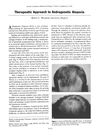
 Treatments for hair loss include hormone modifiers, minoxidil, and hair transplant surgery.
 69 citations
,
February 2002 in “International Journal of Cosmetic Science”
69 citations
,
February 2002 in “International Journal of Cosmetic Science” Some hair loss can be treated, especially in women due to nutrition, but some types remain untreatable.
 370 citations
,
September 1999 in “The New England Journal of Medicine”
370 citations
,
September 1999 in “The New England Journal of Medicine” Finasteride and minoxidil are effective for hair loss, but continued research is needed for better treatments.
 15 citations
,
October 2003 in “Dermatologic Surgery”
15 citations
,
October 2003 in “Dermatologic Surgery” Minoxidil, finasteride, and hair transplantation combined give best results for hair loss.
 November 2003 in “Dermatologic Surgery”
 Minoxidil, finasteride, and hair transplantation combined give best results for hair loss.
 421 citations
,
April 2012 in “The New England Journal of Medicine”
421 citations
,
April 2012 in “The New England Journal of Medicine” Alopecia Areata is an autoimmune condition causing hair loss with no cure and treatments that often don't work well.
 57 citations
,
August 2003 in “British Journal of Dermatology”
57 citations
,
August 2003 in “British Journal of Dermatology” Minoxidil and pyrithione zinc combo most effectively increases hair density.