23 citations
,
October 2008 in “Journal of medicinal chemistry” PF-998425 is a new, effective, and non-phototoxic treatment for skin conditions related to androgens.
January 2006 in “Journal of Liaoning University of Petroleum & Chemical Technology”  September 2022 in “Research Square (Research Square)”
 Hydrocolloid wound dressings emit energy that can affect human hair follicle metabolism.

Hair coloring and bleaching can permanently break down hair protein and temporarily change its properties.
 34 citations
,
August 2002 in “British Journal of Dermatology”
34 citations
,
August 2002 in “British Journal of Dermatology” ALA-PDT is effective and safe for chronic X-ray dermatitis, providing complete or partial remission.
 November 2024 in “Fizioterapevt (Physiotherapist)”
 High-intensity phototechnology, especially with other treatments, effectively improves quality of life for diffuse alopecia patients.
 July 2026 in “Lasers in Medical Science”
 Fractional microneedle radiofrequency is effective and safe for skin rejuvenation and acne scars.
 22 citations
,
July 2004 in “International Journal of Cosmetic Science”
22 citations
,
July 2004 in “International Journal of Cosmetic Science” UV radiation and visible light can damage hair, but there are ways to protect it.
November 2024 in “Majalah Farmasetika” The natural hair dye gel with 12% Eleutherine bulbosa extract effectively colors bleached hair dark brown and is stable and non-irritating.
 May 2004 in “International Journal of Cosmetic Science”
 Melanogenesis inhibitors like kojic acid and niacinamide can reduce inflammation and pigment production in skin cells.
April 2015 in “The FASEB Journal” Nitrogen mustard causes DNA damage and structural changes in mouse skin hair follicles, but some recovery occurs after 5 days.
July 2002 in “Journal of Cosmetic Dermatology” Laser and Eflornithine are more effective for hair removal than traditional methods.
 25 citations
,
June 2015 in “Clinical, Cosmetic and Investigational Dermatology”
25 citations
,
June 2015 in “Clinical, Cosmetic and Investigational Dermatology” Microneedling helps increase the absorption of a melanin product into hair follicles, which may improve laser hair removal effectiveness.
June 2026 in “ACS Applied Materials & Interfaces” Dandelion-derived carbon dots effectively kill bacteria and speed up wound healing.
 December 2025 in “Saudi Pharmaceutical Journal”
 The new minoxidil formula speeds up hair growth effectively.
 November 2025 in “SKIN The Journal of Cutaneous Medicine”
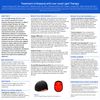
 Low-level light therapy safely increases hair growth in various types of hair loss.
1 citations
,
January 2023 in “Frontiers in Physiology” The method allows precise cell removal without harming nearby tissues.
 9 citations
,
January 2010
9 citations
,
January 2010 The herbal hair dye is a safe and eco-friendly alternative to conventional dyes.
 October 2021 in “QJM: An International Journal of Medicine”
 Intense Pulsed Light treatments significantly improve signs of aging and sun damage on the skin.
 263 citations
,
February 2011 in “Journal of Controlled Release”
263 citations
,
February 2011 in “Journal of Controlled Release” Medium-sized particles penetrate hair follicles better than smaller or larger ones, which could improve delivery of skin treatments.
6 citations
,
August 1937 in “Journal of the Society of Chemical Industry”  May 2026 in “Frontiers in Medicine”
 The Shumin device with doxycycline is more effective for rosacea than red light therapy.
October 2025 in “Coloration Technology” Delipidised wool is brighter, dyes better, and is more eco-friendly.
June 2025 in “OPAL (Open@LaTrobe) (La Trobe University)” A new hair dye method uses polyphenols and oxidation to create a long-lasting brown color on gray hair.
January 2024 in “Updates in clinical dermatology” Photobiomodulation effectively stimulates hair growth and reduces hair loss.
1 citations
,
February 2023 in “IntechOpen eBooks” Targeted photodynamic therapy is a promising method for precise disease treatment and diagnosis.
 20 citations
,
September 2019 in “Nanomaterials”
20 citations
,
September 2019 in “Nanomaterials” A portable device can create nanofibers to improve the appearance of thinning hair better than commercial products.
 April 2018 in “Journal of Investigative Dermatology”
 IL-17C is important in inflammatory skin diseases and could be a target for treatment.
 February 2025 in “Brazilian Journal of Hair Health”
 The Brazilian candle flame technique can damage hair by melting the cuticle and exposing the cortex.