 January 2011 in “International Journal of Trichology”
 The document concludes that doctors should recognize congenital triangular alopecia to avoid unnecessary treatments, as it does not respond to steroids like alopecia areata does.
62 citations
,
July 2013 in “American Journal of Clinical Dermatology” Alopecia areata patients have higher oxidative stress and lower antioxidant levels.
48 citations
,
April 2018 in “JEADV. Journal of the European Academy of Dermatology and Venereology/Journal of the European Academy of Dermatology and Venereology” People with alopecia areata often have lower vitamin D levels and are more likely to be deficient in it.
37 citations
,
December 2021 in “Cells” Alopecia areata severity and treatment response are linked to specific cytokine levels.
 37 citations
,
January 2019 in “JAMA Dermatology”
37 citations
,
January 2019 in “JAMA Dermatology” People with Major Depressive Disorder have a higher chance of getting Alopecia Areata, and vice versa; antidepressants may lower this risk.
 30 citations
,
October 2013 in “Lupus”
30 citations
,
October 2013 in “Lupus” Hair loss in lupus is different from hair loss in alopecia areata and may indicate lupus activity.
 29 citations
,
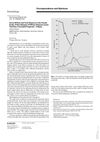
January 2003 in “Dermatology”
29 citations
,
January 2003 in “Dermatology” The condition called 'acute diffuse and total alopecia of the female scalp' is actually a known condition named alopecia areata incognita.
20 citations
,
April 2014 in “Autoimmunity” A specific gene variant (rs4833095) is linked to a higher risk of alopecia areata in Koreans.
 15 citations
,
May 2016 in “Archives of Dermatological Research”
15 citations
,
May 2016 in “Archives of Dermatological Research” ULBP3 could be a marker for diagnosing alopecia areata incognita and may be linked to its cause and development.
1 citations
,
January 2024 in “International Journal of Applied Biochemistry and Molecular Biology.” Higher EGF levels are linked to more severe alopecia areata.
 1 citations
,
June 2022 in “The Egyptian Journal of Hospital Medicine”
1 citations
,
June 2022 in “The Egyptian Journal of Hospital Medicine” Understanding the genetics of alopecia areata could lead to better treatments.
1 citations
,
January 2022 in “Dermatology Research and Practice” Higher CD70 and CD27 gene expression in alopecia areata lesions predicts disease severity and activity.
October 2025 in “The Egyptian Journal of Hospital Medicine” Lower adiponectin and higher leptin levels may predict hair loss in alopecia areata.
November 2022 in “Journal of Investigative Dermatology” Mitochondrial stress can lead to atopic dermatitis.
 October 2022 in “Benha Journal of Applied Sciences”
 Human Beta Defensin 1 levels do not predict the risk or severity of Alopecia Areata.
 July 2016 in “Experimental Dermatology”
 New treatments for hair growth and psoriasis may be possible, and gene differences could affect baldness and the severity of skin conditions.
 July 2016 in “Journal of Investigative Dermatology”
 R-spondin2 may help treat hair loss, gene differences could explain baldness, a peptide's regulation is linked to psoriasis, B-defensin gene copies may affect a skin condition's risk and severity, and potential markers and targets for alopecia areata were identified.
 May 2009 in “The American Journal of Dermatopathology”
 Mast cells play a significant role in hair loss conditions like male pattern hair loss and alopecia areata.
7 citations
,
March 2022 in “Journal of the American Academy of Dermatology” Stress can trigger or worsen alopecia areata.
 131 citations
,
November 1998 in “The journal of investigative dermatology/Journal of investigative dermatology”
131 citations
,
November 1998 in “The journal of investigative dermatology/Journal of investigative dermatology” Skin grafts on mice can cause an immune response leading to hair loss, useful for studying human hair loss conditions.
 22 citations
,
October 2012 in “Journal of Investigative Dermatology”
22 citations
,
October 2012 in “Journal of Investigative Dermatology” Altered retinoid metabolism in cicatricial alopecia suggests a balanced vitamin A diet may prevent the condition.
 9 citations
,
January 2011 in “EXPERIMENTAL ANIMALS”
9 citations
,
January 2011 in “EXPERIMENTAL ANIMALS” A new rat strain with a specific gene mutation causes hair loss and kidney issues.
7 citations
,
November 2018 in “British Journal of Dermatology” Alopecia areata is caused by immune system issues, and JAK inhibitors might help treat it.
 4 citations
,
May 2017 in “Data in Brief”
4 citations
,
May 2017 in “Data in Brief” Five molecular elements identified as potential future targets for hair loss therapy.
 1 citations
,
April 2024 in “Journal of Autoimmunity”
1 citations
,
April 2024 in “Journal of Autoimmunity” Interleukin-15 can help hair growth and protect hair follicles.
 February 2018 in “Medicine - Programa De Formación Médica Continuada Acreditado”
 Minoxidil and finasteride are the main FDA-approved treatments for hair loss, with other methods showing promise but lacking strong evidence.
79 citations
,
December 2013 in “Journal of Investigative Dermatology Symposium Proceedings” Alopecia areata may be treated by restoring hair follicle immune privilege and adjusting immune responses.
September 2019 in “Journal of Investigative Dermatology” IL-17 and certain immune cells are linked to more severe alopecia areata.
3 citations
,
January 2023 in “JEADV Clinical Practice” IL-17 is more important than IFN-γ in causing severe hair loss in chronic alopecia areata.
March 2025 in “Medical Science of Ukraine (MSU)” Alopecia areata is an autoimmune disease causing hair loss, linked to immune and gut issues, needing more research for better treatments.