
Scalp psoriasis inflammation is mainly caused by bacteria-related triggers.
 July 2025 in “SKIN The Journal of Cutaneous Medicine”
 Ritlecitinib is generally safe for alopecia areata patients over 72 months.
 July 2025 in “Archives of Toxicology”
 The new skin model can predict how chemicals might cause skin allergies.
 April 2025 in “Revista JRG de Estudos Acadêmicos”
 Instagram® effectively spreads awareness about onychomycosis.
 February 2025 in “Physician s Journal of Medicine”
 Recognizing skin symptoms can help diagnose and manage COVID-19.
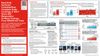 January 2025 in “SKIN The Journal of Cutaneous Medicine”
 Baricitinib significantly regrows hair in severe alopecia areata patients.
Mentorship in residency boosts career satisfaction, confidence, and professional growth.
 September 2024 in “Cutis”
 Dermatology residency programs need better DEI training to improve care for diverse patients.
 September 2024 in “Drugs & Therapy Perspectives”
 Ritlecitinib effectively regrows hair in severe alopecia areata and is well tolerated.
 May 2024 in “SPIRE - Sciences Po Institutional REpository”
 Understanding and treating alopecia areata improves patient care.
 April 2024 in “Frontiers in medicine”
 Alopecia Areata significantly lowers quality of life and current treatments are inadequate, highlighting a need for better therapies and standardized treatment protocols.
 January 2024 in “International Journal of Applied Research”
 COVID-19 may cause hair loss, especially in young adults.
 January 2024 in “Advances in Dermatology and Allergology”
 New treatments offer hope for better managing hidradenitis suppurativa.
 December 2023 in “Cosmoderma”
 Lifestyle changes can improve skin conditions and overall health.
 December 2023 in “Acta Facultatis Medicae Naissensis”
 Cosmeceuticals are important for managing skin issues during the COVID-19 pandemic.
 November 2023 in “Open Repository of the University of Porto (University of Porto)”
 Community pharmacies and pharmacists play a crucial role in improving community health.
 August 2023 in “International Ayurvedic medical journal”
 Ayurvedic treatment successfully regrew hair in a 7-year-old girl with alopecia areata.
 August 2023 in “International Ayurvedic medical journal”
 Improper diet, lifestyle, and stress are major causes of hair fall.
COVID-19 can cause skin problems and affect dermatology treatments, with recommendations for skin care and cautious use of certain drugs.
 May 2023 in “Dermatology and therapy”
 The document concludes that identifying the cause of eyebrow and eyelash loss is key to treating it and improving quality of life.
 February 2023 in “Indian Journal of Postgraduate Dermatology”
 The IADVL offers residents grants, scholarships, training, and learning resources for academic growth.
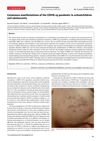 January 2023 in “Acta dermatovenerologica Alpina, Pannonica et Adriatica (Tiskana izd.)”
 The article concludes that schoolchildren and adolescents experienced various skin issues during the COVID-19 pandemic, including acne from masks and other skin reactions from the virus and vaccines.
 August 2021 in “Research Square (Research Square)”
 StemMACS media is better for growing therapeutic stem cells.
 January 2021 in “Online Publication Service of Würzburg University (Würzburg University)”
 Diphenylcyclopropenon treatment for Alopecia areata is effective and safe, improving patients' quality of life.
 September 2020 in “Annals of the National Academy of Medical Sciences. India”
 COVID-19 can cause skin issues like "COVID toes," rashes, hair loss, and hand eczema, and dermatologists are important for recognizing these signs.
30% supramolecular salicylic acid is safe and effective for treating mild to moderate facial acne.
 January 2019 in “ARC journal of pharmaceutical sciences”
 Acne can be managed with various treatments and requires psychological support due to its emotional impact.
 August 2018 in “Journal of The American Academy of Dermatology”
 Finasteride use for hair loss is linked to an increased risk of suicidal thoughts and a higher risk of suicide.
 August 2018 in “Journal of The American Academy of Dermatology”
 Finasteride, a hair loss drug, is linked to increased suicidal thoughts, particularly when used for hair loss.
 August 2018 in “Journal of The American Academy of Dermatology”
 The conclusion is that finasteride is linked to an increased risk of suicidal thoughts and a higher risk of completed suicide when used for hair loss.