June 2026 in “International Journal of Research in Medical Sciences” Baricitinib is safer than methotrexate for treating severe alopecia areata.
 1 citations
,
May 2022 in “Research Square (Research Square)”
1 citations
,
May 2022 in “Research Square (Research Square)” Acetate helps reduce depression in rats with PCOS by lowering specific gene expression and DNA changes in the brain.
64 citations
,
March 1984 in “Journal of steroid biochemistry/Journal of Steroid Biochemistry” Cyproterone acetate effectively reduced hair growth in hirsute patients by lowering androgen levels and altering androgen metabolism.
 24 citations
,
April 2007 in “European Journal of Pharmaceutics and Biopharmaceutics”
24 citations
,
April 2007 in “European Journal of Pharmaceutics and Biopharmaceutics” Microparticles containing artocarpin extract could effectively treat hair loss and acne with minimal side effects.
 February 2025 in “International Journal of Cosmetic Science”
 A new amino acid derivative, ATS, improves hair texture and moisture, making it easier to straighten curly hair.
January 2026 in “Zenodo (CERN European Organization for Nuclear Research)” Amalaki improves cholesterol, blood sugar, inflammation, and liver function without serious side effects.
2 citations
,
April 2025 in “Plants” Lambertianic acid helps prevent muscle wasting.
20 citations
,
February 2017 in “European journal of pharmaceutical sciences” The MPA-ISO cocrystal improved solubility and dissolution rate, while the others did not.
 October 2025 in “International Journal For Multidisciplinary Research”
 Ayurvedic treatment improved Vitamin B12 levels and symptoms.
294 citations
,
February 1994 in “PubMed” Valproic acid is an effective and safe first-choice treatment for many types of seizures.
October 2024 in “Skin Appendage Disorders” Higher FABP4 levels may indicate more severe alopecia areata.
35 citations
,
April 2009 in “Journal of Neuroscience Research” HDAC inhibitors help brain cells grow and improve brain function.
 4 citations
,
January 1994 in “Yakugaku zasshi”
4 citations
,
January 1994 in “Yakugaku zasshi” EPC-K is stable except at very acidic pH or when exposed to sunlight, and it can decompose in low ethanol concentrations.
 2 citations
,
February 2004 in “Biopolymers”
2 citations
,
February 2004 in “Biopolymers” 4-(4-Phenoxybenzoyl)benzoic acid derivatives can both increase and decrease certain types of reactive oxygen species, and may be relevant to hair loss.
1 citations
,
September 2001 in “PubMed” Acitretin treats severe skin conditions but requires careful monitoring due to serious side effects.
December 2025 in “PubMed” Baricitinib is effective and safe for treating severe alopecia areata.

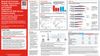
Baricitinib helped treat a man's beard hair loss when steroids didn't work.
 November 2025 in “SKIN The Journal of Cutaneous Medicine”
 Baricitinib helps regrow scalp, eyebrow, and eyelash hair in teens with severe alopecia areata.
May 2025 in “Journal of the European Academy of Dermatology and Venereology” Etrasimod is safe but not effective for severe alopecia areata, though it may help milder cases.
 April 2021 in “Research Square (Research Square)”
 The new cocrystal KET-PABA is a more effective and safe anti-inflammatory treatment for skin conditions in mice.
 1 citations
,
August 2023 in “JAMA Dermatology”
1 citations
,
August 2023 in “JAMA Dermatology” Increasing the dose of baricitinib to 4 mg helps more patients with severe alopecia areata regrow hair.
 June 2023 in “British Journal of Dermatology”
 Baricitinib was effective and safe for severe hair loss treatment over 6 months.
 14 citations
,
May 2008 in “Journal of proteome research”
14 citations
,
May 2008 in “Journal of proteome research” Dutasteride may help reduce brain plaque linked to Alzheimer's by affecting cell energy structures and waste removal.
 February 2026 in “Frontiers in Immunology”
 Ivarmacitinib significantly improved hair regrowth in severe alopecia areata after tofacitinib was less effective.
June 2026 in “Drugs & Therapy Perspectives” Baricitinib improves quality of life and reduces anxiety and depression in severe alopecia areata patients.
12 citations
,
July 2016 in “Journal of dermatology” Intramuscular triamcinolone acetonide is an effective treatment for severe alopecia areata, especially in males.
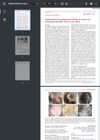 April 2024 in “JEADV clinical practice”
 Upadacitinib significantly improved both rheumatoid arthritis and alopecia areata in a patient.
 14 citations
,
August 2009 in “Cancer epidemiology”
14 citations
,
August 2009 in “Cancer epidemiology” AHCC reduces hair loss and liver injury caused by chemotherapy in rodents.
258 citations
,
July 2005 in “Journal of lipid research” DGAT1 enzyme helps make diacylglycerols, waxes, and retinyl esters.
 October 2023 in “Regular and Young Investigator Award Abstracts”
 Baricitinib treatment helped reduce hair loss symptoms in mice by decreasing inflammation-related immune cells.