Search
for
Sort by
Research
630-660 / 1000+ results
research Alopecia fibrosante frontal
Frontal fibrosing alopecia causes hairline recession and eyebrow loss in postmenopausal women.
research sQuiz your knowledge: Polycyclic annular plaques on the trunk following dutasteride treatment
Dutasteride for hair loss can cause skin reactions like itchy red plaques.
research Alopecia
research LB1154 Rising antimicrobial resistance in chronic wounds
DACC-based dressings are more effective than silver-based ones for treating chronic wounds with antimicrobial resistance.
research A Combination Flap for Repair of Eclabium
research Azole Antifungal–Induced Erythema Annulare Centrifugum in a Case of Extensive Tinea
Azole antifungals can cause skin reactions like EAC, requiring careful management.
research [Retracted] Fibroblasts in Scar Formation: Biology and Clinical Translation
Fibroblasts are crucial in scar formation and wound healing, with potential therapies aiming for scarless healing.

research Les alopécies dites biphasiques
Biphasic alopecia often leads to permanent hair loss and its progression varies widely among individuals.
research Glabellar pomade crust mimicking dyskeratosis follicularis
The woman's forehead lesion was caused by ointment use and resolved with treatment.
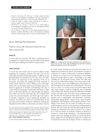
research Severe Marking-Nut Dermatitis
A man got severe skin irritation after using marking nut sap for hair loss.
research Pseudofolliculitis barbae induced by oral minoxidil
Oral minoxidil can cause painful skin bumps and scarring in some people.
research Laser Resurfacing
Newer skin resurfacing lasers reduce damage and scarring, with some approved for safe use and minimal side effects.
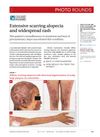
research Extensive scarring alopecia and widespread rash
Following treatment plans is crucial to prevent worsening skin and hair conditions.
research Atrichia with papular lesions mimicking alopecia areata universalis
The man's hair loss and skin papules were diagnosed as atrichia with papular lesions, not alopecia areata universalis.
research Traumatic Alopecia (without Traction Alopecia)
Traumatic alopecia causes hair loss from pulling or rubbing, leading to broken hairs and changes in the scalp.
research Acne inversa-like lesions associated with the multi-kinase inhibitor sorafenib
Sorafenib often causes skin side effects, indicating effective cancer treatment.
research Recently Identified Forms of Epidermolysis Bullosa
Three new types of a skin blistering disease were found, caused by specific gene mutations.
research Trichororrhexis Nodosa of the Scalp Attributable to Calcium Hydroxide.
Calcium hydroxide in an ayurvedic product caused hair breakage.
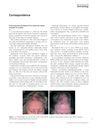
research Erosive pustular dermatosis of the scalp from topical minoxidil 5% solution
A woman developed a scalp condition from using minoxidil, which improved with a different treatment but left scarring.
research Congenital atrichia with papular lesions
Congenital atrichia with papular lesions causes permanent hair loss and skin bumps due to a gene mutation.
research Updated Management of Atrophic Post Acne Scars: Review Article
Combination therapies work better than single treatments for atrophic acne scars.
research Combined treatment modalities in atrophic acne scars: a prospective study
The combined treatments were highly effective for improving atrophic acne scars.
research Effect of Rubbing Application on the Skin Permeation of Active Ingredients from Lotion and Cream
Rubbing skin increases absorption of water-soluble drugs from lotions and creams, but not oil-soluble drugs.
research Transepidermal drug delivery: A new treatment option for areata alopecia?
Transepidermal drug delivery effectively treated areata alopecia with minimal side effects.
research Involvement of Follicular Stem Cells in Forming Not Only the Follicle but Also the Epidermis
Hair follicle stem cells can form both hair follicles and skin.
research Identification and sequence analysis of the keratin-associated protein 24‐1 (KAP24-1) gene homologue in sheep
The research identified a gene in sheep important for wool quality, which could help improve wool traits.
research Skin-specific expression of a truncated E1a oncoprotein binding to p105-Rb leads to abnormal hair follicle maturation without increased epidermal proliferation.
The oncoprotein causes abnormal hair growth without increasing skin cancer risk.
research Regionalisation of the skin
Skin varies in thickness, color, and features due to complex genetic and cellular processes.
research RETRACTED: Modern techniques in addressing facial acne scars: A thorough analysis
Combining different treatments often works best for acne scars, but see a dermatologist first.