Search
for
Sort by
Research
810-840 / 1000+ resultsresearch Real‐World Efficacy and Safety of Tofacitinib for Patients With Alopecia Areata: A Retrospective Multi‐Center Cohort Study
Tofacitinib effectively treats severe alopecia areata, improving hair regrowth and patient satisfaction.
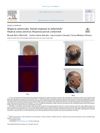
research Alopecia universalis. Partial response to tofacitinib
Tofacitinib partially improved hair regrowth in a patient with severe hair loss.
research Cortexolone 17a-propionate: Preclinical profile of a new topical, skin selective, steroidal antiandrogen
Clofazimine may be effective for treating ashy dermatosis.
research Upadacitinib in the treatment of a patient with the triad of atopic dermatitis, vitiligo, and alopecia areata: a case report and literature review
Upadacitinib effectively treated severe atopic dermatitis, vitiligo, and alopecia areata in one patient.

research Difficult and rare forms of acne
The document talks about hard-to-treat and rare acne types, their connection with other health issues, the importance of correct diagnosis, and the challenges in managing them.
research Real‐world experience and long‐term evaluation of tofacitinib in refractory alopecia areata: A prospective, open‐label, single‐center study in Asian Arab population
Tofacitinib is a promising treatment for severe alopecia areata, with many patients experiencing complete or partial hair regrowth.
research Reversal of Alopecia Universalis by Tofacitinib: A Case Report
Tofacitinib, an arthritis drug, helped hair growth in alopecia universalis but long-term safety needs more research.

research Tofacitinib (Selective Janus Kinase Inhibitor 1 and 3): A promising therapy for the treatment of alopecia areata: A case report of six patients
Tofacitinib helped regrow hair in patients with alopecia, with few side effects.
research Incorporation of benzoyl peroxide nanocrystals into adapalene-loaded solid lipid microparticles: Part II – Solid-in-Oil dispersion of nanoparticulate benzoyl peroxide
The method improves acne treatment by enhancing drug delivery and reducing skin irritation.
research Topical fluocinolone acetonide acetate ointment in autosomal dominant congenital hypotrichosis
A hair growth ointment improved hair length in a family with a genetic hair growth condition.
research A Rare Case of Severe Acrodermatitis Enteropathica During Covid-19 Lockdown.
A boy with a rare skin condition improved quickly after starting zinc supplements.
research Spironolactone versus placebo or in combination with steroids for hirsutism and/or acne
Spironolactone is better than placebo for reducing excessive hair growth in women, but its effectiveness for acne is unclear due to small study sizes.
research Acne, Hirsutism, and Alopecia in Adolescent Girls: Clinical Expressions of Androgen Excess
research A rare case of TEN-like acute cutaneous lupus
Timely diagnosis and aggressive treatment with high-dose steroids and B-cell depletion therapies are effective for severe acute cutaneous lupus.
research Factors in the etiopathogenesis of post-adolescent female acne
Hormonal imbalances, not insulin resistance or dyslipidemia, may be more important in causing acne in women over 25.
research 44180 Influence of Baseline Disease Severity Defined by Investigator’s Global Assessment on Abrocitinib Efficacy for up to 96 Weeks in Patients With Moderate-to-Severe Atopic Dermatitis: Interim Analysis of JADE EXTEND, a Long-Term Extension Study
research Thrombotic risk minimization for Diane‐35 and generics
The use of Diane-35 and its generics significantly decreased in the Netherlands.
research A Case Report of Sebaceous Filaments
Topical tretinoin effectively treated sebaceous filaments, improving skin appearance.
research Management of Post-Acne Scarring
Various treatments can improve post-acne scars, but results vary.
research Tofacitinib citrate alleviates alopecia universalis symptoms in recent case study
Tofacitinib helped a person with total body hair loss grow hair again without bad side effects.
research Human insulin via MMP® for treating atrophic acne scars: a pilot study Insulina humana via MMP® para cicatrizes atróficas de acne: estudo piloto.
Human insulin via microinfusion may effectively improve atrophic acne scars.
research Efficacy of Glycyrrhetinic Acid in the Treatment of Acne Vulgaris Based on Network Pharmacology and Experimental Validation
Glycyrrhetinic acid from licorice may help treat acne by reducing inflammation and oil production.
research JAK Inhibitor Safety in Atopic Dermatitis and Alopecia Areata: A 4.5-Year Real-World Retrospective Cohort Study
JAK inhibitors are generally safe for alopecia areata and atopic dermatitis, with mostly mild side effects.
research 42227 Efficacy and Predictive Factors of Systemic Corticosteroid in Alopecia Areata: Reappraisal of Oral Methylprednisolone Tapering Treatment
Methylprednisolone treatment helps most alopecia areata patients, but young age, extensive hair loss, and low vitamin D can affect results.
research 608 A clinical study to test the efficacy of VB1953 in clindamycin non-responder acne patients with antibiotic-resistant P. acnes
VB1953 gel significantly reduced acne and resistant bacteria in patients who didn't respond to clindamycin.
research Upadacitinib for the Management of Alopecia Totalis and Subtotalis in Pediatric Patients: A Case Series
Upadacitinib may help regrow hair in children with alopecia areata and is generally safe.
research Real‐world effectiveness and safety of tofacitinib for alopecia areata: A retrospective cohort study of 202 patients
Tofacitinib is safe and effective for treating moderate-to-severe alopecia areata.
research Intralesional Triamcinolone Acetonide in the Treatment of Traction Alopecia
Intralesional triamcinolone acetonide is effective and safe for treating early to mid-stage traction alopecia.
research High-dose spironolactone for acne in patients with polycystic ovarian syndrome: A single-institution retrospective study
Higher doses of spironolactone may improve acne in PCOS patients, but side effects are a concern.