8 citations
,
February 2025 in “Cell Systems” Engineered bacteria can deliver antioxidants to protect skin.
 November 2023 in “Frontiers in pharmacology”
 Drug repositioning offers hope for new, affordable treatments for a genetic skin disorder called ARCI.
 May 2023 in “The journal of investigative dermatology/Journal of investigative dermatology”
 A potential treatment for atopic dermatitis could be to increase PADI1 expression to improve skin barrier function.
Higher apelin-12 levels may indicate more severe acne.
A new AIRE gene mutation causes rare autoimmune symptoms in a Lebanese boy.
1 citations
,
April 2025 in “Skin Health and Disease” Abrocitinib is being evaluated for safety and effectiveness in treating moderate to severe atopic dermatitis.
 April 2019 in “International research journal of pharmacy”
 Adiantum capillus extract reduces pain and swelling in animals.
November 2006 in “評価・診断に関するシンポジウム講演論文集” KSR1 is crucial for certain skin tumor formation and could be a cancer therapy target.
5 citations
,
May 2024 in “Journal of Allergy and Clinical Immunology Global” Upadacitinib effectively improved severe atopic dermatitis and alopecia universalis in a 29-year-old man.
107 citations
,
October 2022 in “Frontiers in Immunology” T cells and inflammation are crucial in atherosclerosis, with anti-inflammatory treatments showing promise.
June 2026 in “Clinical Cosmetic and Investigational Dermatology” Upadacitinib effectively treated alopecia areata when other treatments failed.
July 2022 in “Journal of Investigative Dermatology” Arg1+ macrophages may play a role in Alopecia Areata, offering new treatment targets.
January 2019 in “Journal of the Egyptian Women's Dermatologic Society (Print)” People with androgenetic alopecia have a higher risk of heart disease.
 11 citations
,
September 2011 in “British Journal of Dermatology”
11 citations
,
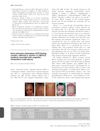
September 2011 in “British Journal of Dermatology” New ABCA12 gene mutations were linked to a skin condition with scaling and hair loss, and a treatment helped with hair loss in a related case.
 December 2022 in “Research Square (Research Square)”
 The QuantAnts machines can find cancer markers and create CRISPR targets for them.
 1 citations
,
September 2023 in “Journal of the American Academy of Dermatology”
1 citations
,
September 2023 in “Journal of the American Academy of Dermatology” Baricitinib significantly improves hair regrowth in severe alopecia areata.
1 citations
,
September 2010 in “UEF eRepo (University of Eastern Finland)” Androgen receptors help prostate cancer cells grow and resist drugs.
1 citations
,
May 2019 in “DOAJ (DOAJ: Directory of Open Access Journals)” Acrodermatitis enteropathica can be linked to dental issues, so thorough dental exams are important.
July 2017 in “Cancer Research” Krt15+ cells in mice can resist radiation, regenerate tissue, and start tumors, suggesting new cancer treatment targets.
June 2026 in “DOAJ (DOAJ: Directory of Open Access Journals)” Upadacitinib effectively treated alopecia areata when other treatments failed.
October 2023 in “The Open Dermatology Journal” Baricitinib is effective for severe alopecia areata with manageable side effects, mainly upper respiratory infections.
11 citations
,
February 2022 in “JAAD case reports” Abrocitinib, a JAK inhibitor, may help treat atopic dermatitis and alopecia universalis together.
15 citations
,
February 2000 in “Journal of Cutaneous Pathology” The arrector pili muscle attaches to the extracellular matrix using α5β1 integrin and connects muscle cells using α1β1 integrin.
4 citations
,
February 2016 in “Experimental Dermatology” Blocking α1-integrin makes adult fibroblasts more like foetal ones, improving their movement and aiding wound healing.
Upadacitinib effectively treated a patient with multiple inflammatory conditions.
1 citations
,
April 2024 in “Metabolites” Activated protein C helps protect mice from long-term radiation damage.
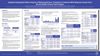 July 2025 in “SKIN The Journal of Cutaneous Medicine”
 Ritlecitinib is generally safe for alopecia areata patients over 72 months.
1′S-1′-Acetoxychavicol acetate may help treat hair loss by reducing oxidative stress.
9 citations
,
August 2021 in “Biomedicines” 17β-estradiol boosts APE1/Ref-1 secretion in cells and mice via a calcium-dependent pathway.
June 2026 in “British Journal of Dermatology” JAK inhibitors can cause severe acne, limiting their use for hair regrowth.