5 citations
,
July 2024 in “Journal of Market Access & Health Policy” Insurance coverage for scalp cooling will make it more accessible to all chemotherapy patients.
July 2023 in “JAAD Case Reports” May 2026 in “Journal of Medicinal Chemistry” dAR-6–1 is a promising new treatment for hair loss that works better than minoxidil.
 December 2000 in “British Journal of Dermatology”
 The document corrected previous errors and announced future dermatology events.
3 citations
,
January 2013 in “Dermatology” New genetic mutations causing hair loss were found in a Chinese family.
November 2015 in “Journal of the Korea Academia-Industrial cooperation Society” The new assay can help develop products for hair re-growth.
July 2026 in “JEADV Clinical Practice” The SAAD-41 is a valid tool for assessing distress in people with Alopecia Areata.
 January 2021 in “Hair transplant forum international”
 The document's content could not be processed.
January 2019 in “Journal of the Egyptian Women's Dermatologic Society (Print)” People with androgenetic alopecia have a higher risk of heart disease.
March 2023 in “Journal of Cosmetic Dermatology” Trichoscopy is effective for diagnosing scalp ACC in darker skin tones.
3 citations
,
December 2022 in “Clinical Cosmetic and Investigational Dermatology” Over 50% of dermatology patients in Aseer, Saudi Arabia, use alternative treatments, often with satisfactory results.
June 1994 in “Journal of the American Academy of Dermatology”  7 citations
,
November 2017 in “Cureus”
7 citations
,
November 2017 in “Cureus” Ear creases might indicate heart disease risk, needing more research.
 November 2025 in “SKIN The Journal of Cutaneous Medicine”
 Upadacitinib effectively treats severe alopecia areata and is safe.
 April 2024 in “Journal of asthma and allergy”
 Abrocitinib effectively treated severe atopic dermatitis and mild alopecia areata in a 12-year-old boy after dupilumab failed.
July 2026 in “SKIN The Journal of Cutaneous Medicine” Accurate diagnosis of AANS is crucial for effective treatment and hair regrowth.
November 2008 in “Journal of the American Academy of Dermatology”  March 2024 in “Skin research and technology”
 High CRP levels could indicate vitamin D deficiency in people with alopecia areata.
February 2009 in “Journal of the American Academy of Dermatology” February 2006 in “Journal of the American Academy of Dermatology”  April 2026 in “Inflammation and Regeneration”
 AKR1C enzymes in scalp glands decrease with age, possibly affecting hair loss.
 31 citations
,
May 2021 in “Journal of endocrinological investigation”
31 citations
,
May 2021 in “Journal of endocrinological investigation” APS-1 in Italy shows diverse AIRE mutations and various autoimmune issues.
 September 2021 in “CRC Press eBooks”
 CCCA is a common hair loss condition in African American women, often inherited and influenced by hairstyling, with unique scalp features detectable by special tools.
 22 citations
,
November 2011 in “Journal of Analytical Toxicology”
22 citations
,
November 2011 in “Journal of Analytical Toxicology” Scientists have developed a new method to detect steroid abuse in athletes using cell-based tests, which could be the future of anti-doping methods.
55 citations
,
April 2008 in “Clinical Genetics” A new mutation in the ST14 gene was found in a patient with ARIH syndrome, showing milder symptoms and no tooth issues.
 November 2021 in “World Family Medicine Journal /Middle East Journal of Family Medicine”
 People in the Aseer region of Saudi Arabia need more information and understanding about corneal donation.
 January 2017 in “Journal of clinical & experimental dermatology research”
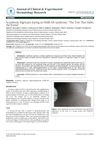
 The case shows skin changes can indicate deeper health issues like insulin resistance, which are challenging to manage.
June 2024 in “British Journal of Dermatology” Alopecia areata greatly affects quality of life, especially mental health, and newer assessment tools better capture this impact than older ones.
3 citations
,
January 2007 in “Korean Journal of Pediatrics” Zinc supplements can help skin issues even if blood zinc levels are normal.
 September 2014 in “International Journal of Dermatology and Venereology”
 Certain histamine receptors (H2R, H3R, H4R) have unique roles in treating skin diseases, with H2R helping with chronic urticaria and other conditions, H3R providing pain relief and allergy benefits, and H4R reducing inflammation and itchiness.