 46 citations
,
August 2016 in “Journal of The American Academy of Dermatology”
46 citations
,
August 2016 in “Journal of The American Academy of Dermatology” The study found that family history, personal history of adolescent acne, no pregnancies, hirsutism, office work, stress, and low intake of fruits/vegetables and fish are risk factors for adult female acne.
 29 citations
,
March 2017 in “International Journal of Women's Dermatology”
29 citations
,
March 2017 in “International Journal of Women's Dermatology” Hormone therapies like birth control pills and spironolactone are safe and effective for treating women's adult acne.
 19 citations
,
April 2019 in “Journal of the European Academy of Dermatology and Venereology”
19 citations
,
April 2019 in “Journal of the European Academy of Dermatology and Venereology” Acne lesions start with changes in hair follicles and increase in inflammation, suggesting a cycle that could affect treatment strategies.
 9 citations
,
April 2021 in “Expert opinion on pharmacotherapy”
9 citations
,
April 2021 in “Expert opinion on pharmacotherapy” Clascoterone is a new, effective, and safe acne treatment without systemic side effects.
 7 citations
,
December 2019 in “American Journal of Clinical Dermatology”
7 citations
,
December 2019 in “American Journal of Clinical Dermatology” Topical therapies show promise for hair loss and acne treatment with minimal side effects.
 1 citations
,
January 2023 in “Middle East Research Journal of Pharmaceutical Sciences”
1 citations
,
January 2023 in “Middle East Research Journal of Pharmaceutical Sciences” Acne is a chronic inflammatory disease that affects quality of life and needs better treatment strategies.
 February 2026 in “International Journal of Web of Multidisciplinary Studies”
 Restoring microbial balance and using exosome therapies may help treat hair disorders like alopecia and acne.
 January 2021 in “Revista Dermatológica Centro Uraga”
 Endocrinological evaluation is crucial for properly diagnosing and treating acne.
 September 2023 in “International journal of biomedicine”
 Minoxidil might help treat acne scars by reducing collagen buildup.
 97 citations
,
September 2016 in “Reviews in Endocrine and Metabolic Disorders”
97 citations
,
September 2016 in “Reviews in Endocrine and Metabolic Disorders” The sebaceous gland has more roles than just producing sebum and contributing to acne, and new research could lead to better skin disease treatments.
 42 citations
,
September 2018 in “Journal der Deutschen Dermatologischen Gesellschaft”
42 citations
,
September 2018 in “Journal der Deutschen Dermatologischen Gesellschaft” Adult female acne requires a comprehensive treatment approach, including medical options and lifestyle changes, with attention to psychological well-being.
 13 citations
,
September 2016 in “Acta Médica Portuguesa”
13 citations
,
September 2016 in “Acta Médica Portuguesa” Many adults in Porto have acne, but few know or treat it.
 13 citations
,
March 2014 in “Cutaneous and Ocular Toxicology”
13 citations
,
March 2014 in “Cutaneous and Ocular Toxicology” Oral isotretinoin for severe acne can change hormone levels but does not significantly affect ovarian function.
 4 citations
,
July 2014 in “International Journal of Dermatology”
4 citations
,
July 2014 in “International Journal of Dermatology” Twins had rare skin cysts likely due to genetics.
 2 citations
,
January 2022 in “Journal of Cutaneous and Aesthetic Surgery”
2 citations
,
January 2022 in “Journal of Cutaneous and Aesthetic Surgery” Injecting any solution helps acne scars, and ultrasound is useful for checking treatment results.
 1 citations
,
January 2019 in “Springer eBooks”
1 citations
,
January 2019 in “Springer eBooks” Hidradenitis Suppurativa is a chronic skin condition best treated early with surgery for better outcomes and less recurrence.
 1 citations
,
January 2014 in “Springer eBooks”
1 citations
,
January 2014 in “Springer eBooks” Adult acne is more common in women, often linked to hormones, and can be harder to treat.
 April 2024 in “International journal of women's health”
 Adult female acne is a complex condition that can worsen with menopause, requiring holistic treatment and tailored skincare at different life stages.
 January 2016 in “Springer eBooks”
 Pubertal acne is linked to hormonal changes, affects quality of life, and is treated similarly to adult acne.
 65 citations
,
February 2009 in “The journal of investigative dermatology/Journal of investigative dermatology”
65 citations
,
February 2009 in “The journal of investigative dermatology/Journal of investigative dermatology” Anti-acne medications may work by reducing the activity of a protein involved in acne development.
 March 2026 in “Frontiers in Cell and Developmental Biology”
 Autologous cell-based therapies, especially SVF, effectively and safely improve atrophic acne scars.
 September 2019 in “The journal of investigative dermatology/Journal of investigative dermatology”
 Not having enough cystatin M/E protein causes less hair growth and dry skin.
 76 citations
,
December 2009 in “Clinics in Dermatology”
76 citations
,
December 2009 in “Clinics in Dermatology” Hormonal treatments can help with acne but are not the first choice due to side effects and the need for careful patient selection.
 8 citations
,
June 2016 in “Journal of Cosmetic Dermatology”
8 citations
,
June 2016 in “Journal of Cosmetic Dermatology” Women with persistent acne and high levels of antimullerian hormone are more likely to have polycystic ovarian syndrome.
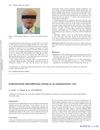 3 citations
,
May 2011 in “Journal of Obstetrics and Gynaecology”
3 citations
,
May 2011 in “Journal of Obstetrics and Gynaecology” A woman's pelvic pain and bleeding led to finding and successfully treating a rare benign tumor in her reproductive system.
 October 2021 in “Turkderm”
 Hormonal imbalances, not insulin resistance or dyslipidemia, may be more important in causing acne in women over 25.
 47 citations
,
January 2015 in “Dermatology”
47 citations
,
January 2015 in “Dermatology” The best way to treat acne is to prevent healthy skin glands from turning into acne lesions by controlling the triggers early on.
 38 citations
,
October 1996 in “Dermatologic Clinics”
38 citations
,
October 1996 in “Dermatologic Clinics” Certain hormone treatments can improve acne and related conditions in women.
Delonix polymeric nanoparticles with isotretinoin effectively treat acne by targeting hair follicles and reducing skin irritation.
 1 citations
,
September 2020 in “Actas Dermo-Sifiliográficas”
1 citations
,
September 2020 in “Actas Dermo-Sifiliográficas”