 July 2025 in “JUNIOR RESEARCHERS”
 Wearing masks has increased skin issues like acne and eczema, especially in women and young people.
 March 2025 in “Journal of Pakistan Association of Dermatologists”
 5% dapsone gel is more effective than 1% clindamycin gel for treating acne.
 January 2025 in “ARC Journal of Dermatology”
 Transgender youth on hormone therapy need personalized acne treatments and supportive care.
 January 2024 in “MEDS Chinese Medicine”
 Acupuncture can effectively treat acne.

Acne is linked to vitamin B12 deficiency.
 August 2021 in “Research Square (Research Square)”
 Borneol Essential Oil could be a natural and safe acne treatment.
 January 2021 in “Revista Dermatológica Centro Uraga”
 Endocrinological evaluation is crucial for properly diagnosing and treating acne.
Spironolactone may be a better acne treatment for adult women than antibiotics.
 January 2019 in “ARC journal of pharmaceutical sciences”
 Acne can be managed with various treatments and requires psychological support due to its emotional impact.
 January 2014 in “Journal of the Egyptian Women's Dermatologic Society (Print)”
 Women with acne after adolescence are more likely to have PCOS and should be checked for it.
 June 2023 in “Benha Journal of Applied Sciences”
 Acne is caused by multiple types of bacteria.

30% supramolecular salicylic acid is safe and effective for treating mild to moderate facial acne.
 66 citations
,
March 2018 in “British journal of dermatology/British journal of dermatology, Supplement”
66 citations
,
March 2018 in “British journal of dermatology/British journal of dermatology, Supplement” An imbalance between certain immune cells is linked to a chronic skin condition and may be influenced by obesity, smoking, and autoimmune issues.
 41 citations
,
June 2016 in “Reviews in endocrine and metabolic disorders”
41 citations
,
June 2016 in “Reviews in endocrine and metabolic disorders” Hidradenitis suppurativa may be related to hormones and patients often have metabolic disorders; more research is needed to understand this connection.
 37 citations
,
January 2013 in “Postepy Dermatologii I Alergologii”
37 citations
,
January 2013 in “Postepy Dermatologii I Alergologii” Isotretinoin effectively reduces acne but causes dry skin, higher skin pH, more redness, and hair loss.
 18 citations
,
August 2011 in “Clinical Drug Investigation”
18 citations
,
August 2011 in “Clinical Drug Investigation” Low-dose isotretinoin combined with pulsed azithromycin cleared acne in most patients, with mild side effects.
 8 citations
,
August 2020 in “Clinical and Experimental Dermatology”
8 citations
,
August 2020 in “Clinical and Experimental Dermatology” Spironolactone is a low-cost, effective, and generally safe treatment for various skin conditions related to hormones.
 8 citations
,
May 1998 in “Journal of Oral and Maxillofacial Surgery”
8 citations
,
May 1998 in “Journal of Oral and Maxillofacial Surgery” Acne is caused by increased sebum, abnormal skin shedding, bacteria, and inflammation, not dirt; treatments vary from creams to antibiotics or isotretinoin, with severe cases needing a dermatologist's care.
 5 citations
,
April 2021 in “International Journal of Homoeopathic Sciences”
5 citations
,
April 2021 in “International Journal of Homoeopathic Sciences” Homeopathy improved Acne Keloidalis Nuchae in a 14-year-old.
 2 citations
,
May 2019 in “Journal of the American Academy of Dermatology”
2 citations
,
May 2019 in “Journal of the American Academy of Dermatology” Facial hidradenitis suppurativa can be mistaken for acne but requires different treatment.
 2 citations
,
February 2019 in “Journal of dermatological treatment”
2 citations
,
February 2019 in “Journal of dermatological treatment” A new surgical technique effectively cures acne in most patients.
 March 2026 in “International Journal of Homoeopathic Sciences”
 Personalized homeopathic treatment with Kalium bromatum improved acne and overall health.

Acne keloidalis nuchae causes scarring on the scalp, mainly in African American males, and early treatment is important to prevent lasting damage.
 September 2024 in “Advanced medical journal”
 Spironolactone is effective and safe for treating acne in women, especially those over 25 with hormonal imbalances.
 October 2023 in “Journal of Drug Delivery and Therapeutics”
 SANG5 niosomal gel effectively treats acne.
 June 2019 in “Asian Journal of Medical Research”
 The dermaroller caused less hyperpigmentation and no itching compared to the fractional CO2 laser.

The combination therapy effectively improved acne keloidalis nuchae.
 November 2015 in “International journal of science and research”
 Adult acne is mostly inflammatory, affects women more, and often scars, needing good treatment to prevent damage.
 January 2015 in “Independent Nurse”
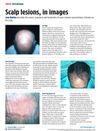
 Different scalp conditions can lead to hair loss or tumors, with treatments varying from creams to surgery; early detection is crucial.
 August 2009 in “International Journal of Dermatology”
 A postmenopausal woman's facial redness, acne, and excess hair were caused by too much hormone therapy for insomnia, but improved after stopping the treatment.