11 citations
,
December 2013 in “Clinical and Experimental Dermatology” Sorafenib often causes skin side effects, indicating effective cancer treatment.

research Acne
2 citations
,
May 2011 in “Harper's Textbook of Pediatric Dermatology” Acne is a common skin condition linked to diet, hormones, and genetics, and early treatment can prevent scarring.
14 citations
,
January 2014 in “Annals of Dermatology” Some cases of folliculotropic mycosis fungoides may progress slowly and not need aggressive treatment.
 2 citations
,
September 2021
2 citations
,
September 2021 The COVID-19 pandemic increased the use of teledermatology to treat skin conditions in low-income areas, despite challenges like poor photo quality.
173 citations
,
July 2012 in “British Journal of Dermatology” Dabrafenib can cause skin growths and sometimes low-grade skin cancer.
 8 citations
,
June 2021 in “Journal of Cosmetic Dermatology”
8 citations
,
June 2021 in “Journal of Cosmetic Dermatology” The review found that COVID-19 can cause skin problems, including rashes and issues from wearing PPE, and suggests more research and protective measures for healthcare workers.
 January 2023 in “Acta dermatovenerologica Alpina, Pannonica et Adriatica (Tiskana izd.)”
 The article concludes that schoolchildren and adolescents experienced various skin issues during the COVID-19 pandemic, including acne from masks and other skin reactions from the virus and vaccines.
 29 citations
,
March 2017 in “International Journal of Women's Dermatology”
29 citations
,
March 2017 in “International Journal of Women's Dermatology” Hormone therapies like birth control pills and spironolactone are safe and effective for treating women's adult acne.
January 2025 in “International Journal Of Scientific Advances” Topical testosterone can cause acne-like skin changes.

New acne treatments like clascoterone and minocycline foam are effective, and using antibiotics carefully is important to avoid resistance.
62 citations
,
July 2022 in “Science Immunology” TREM2 macrophages and unsaturated lipids contribute to acne inflammation.
 45 citations
,
January 1998 in “Dermatology”
45 citations
,
January 1998 in “Dermatology” Some skin conditions look like acne but are caused by drugs, and they usually get better when the drug is stopped.
 January 2018 in “Elsevier eBooks”
 The document concludes that proper diagnosis and treatment of follicular disorders are crucial, with specific treatments for conditions like acne, drug-induced eruptions, and rosacea.
 16 citations
,
July 2002 in “JOGC/Journal of obstetrics and gynaecology Canada”
16 citations
,
July 2002 in “JOGC/Journal of obstetrics and gynaecology Canada” Birth control pills can help reduce mild to moderate acne in women.
 March 2026 in “International Journal of Homoeopathic Sciences”
 An integrative homeopathic approach may help manage acne, but more research is needed.
Nanocarriers improve acne treatment by enhancing drug delivery and reducing side effects.
 September 2021 in “CRC Press eBooks”
 Acne keloidalis nuchae is a hair loss condition affecting men of African descent, causing scar-like bumps on the scalp and neck.
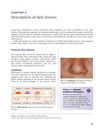
The document explains different types of skin lesions and their characteristics, causes, and related conditions.
 11 citations
,
November 2013 in “Skin Pharmacology and Physiology”
11 citations
,
November 2013 in “Skin Pharmacology and Physiology” Azelaic Acid is effective and safe for treating adult female acne, with few side effects.
 May 2024 in “Aktualʹnì problemi sučasnoï medicini: Vìsnik Ukraïnsʹkoï medičnoï stomatologìčnoï akademì”
 Spironolactone and clascoterone are promising acne treatments with fewer side effects.
 38 citations
,
February 2012 in “Supportive Care in Cancer”
38 citations
,
February 2012 in “Supportive Care in Cancer” Skin problems like acne, dry skin, and nail and hair changes are common in patients taking EGFR inhibitors.
9 citations
,
January 2012 in “International journal of trichology” Trichostasis spinulosa can be diagnosed with a simple skin biopsy and treated with specific gels, but lesions may return after stopping treatment.
April 2025 in “La Prensa Medica” Oral contraceptives help treat acne and hair issues by balancing hormones but need careful use due to possible side effects.
 70 citations
,
February 2019 in “The journal of immunology/The Journal of immunology”
70 citations
,
February 2019 in “The journal of immunology/The Journal of immunology” Short-chain fatty acids from *Cutibacterium acnes* cause skin inflammation, contributing to acne.
 20 citations
,
January 2019 in “Journal of dermatological science”
20 citations
,
January 2019 in “Journal of dermatological science” Male hormones indirectly affect skin cell development by increasing growth factor levels from skin fibroblasts.
April 2024 in “Russian Journal of Preventive Medicine” Skin changes can signal diabetes and metabolic issues, aiding early diagnosis and treatment.
 18 citations
,
October 2014 in “Experimental Dermatology”
18 citations
,
October 2014 in “Experimental Dermatology” Local skin glucocorticoid production is crucial for healthy skin, and its disruption can lead to skin diseases.
17 citations
,
August 2018 in “Clinics in Dermatology” Skin and hair-picking disorders are common and need both skin and mental health treatments.
3 citations
,
March 2022 in “Chinese Journal of Plastic and Reconstructive Surgery” Androgens may contribute to keloid development, and hormone-targeting treatments could help.
 January 2024 in “RSC pharmaceutics”
 Removing the outer skin layer increases drug absorption and offers non-invasive treatment options, with some methods allowing for quick skin recovery.