Search
for
Sort by
Research
780-810 / 1000+ resultsresearch ALOPECIA AREATA TREATED WITH THORIUM-X

research Cutaneous Signs of Malnutrition Secondary to Eating Disorders
Eating disorders can cause skin problems, which may help with early diagnosis and treatment.
research Sebaceous adenitis in a cat.
A cat with sebaceous adenitis improved after treatment with shampoo, ciclosporin, and fatty acids.
research Alopecia Universalis with Frequently Relapsing Nephrotic Syndrome of Infantile Onset: A Rare Presentation
A rare case links early-onset alopecia universalis and nephrotic syndrome, suggesting genetic immune issues.
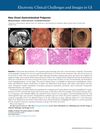
research New-Onset Gastrointestinal Polyposis
A 60-year-old man with Cronkhite-Canada syndrome improved with treatment, but the condition has a high mortality rate and a risk of colorectal cancer.
research 44180 Influence of Baseline Disease Severity Defined by Investigator’s Global Assessment on Abrocitinib Efficacy for up to 96 Weeks in Patients With Moderate-to-Severe Atopic Dermatitis: Interim Analysis of JADE EXTEND, a Long-Term Extension Study
research Microsporum gypseum isolated from a feline case of dermatophytosis
A young cat had a rare fungal infection caused by Microsporum gypseum.
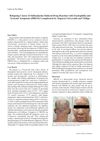
research Relapsing Course of Sulfasalazine-Induced Drug Reaction with Eosinophilia and Systemic Symptoms (DRESS) Complicated by Alopecia Universalis and Vitiligo
Sulfasalazine can cause severe allergic reactions leading to long-term autoimmune issues like hair loss and skin discoloration.

research The identification of trichoscopic features of allergic scalp contact dermatitis: a pilot-study of a single center
Trichoscopy effectively diagnoses allergic scalp contact dermatitis.
research Clinical Presentations and Comorbidities of Pediatric Alopecia Areata
Pediatric alopecia areata needs more research to understand its characteristics and related conditions.

research AN UNUSUAL CASE OF LYMPHOCYTIC ENTEROCOLITIS AND VASCULITIS AS THE INITIAL MANIFESTATION OF SLE
SLE can cause unusual gastrointestinal symptoms, and immunosuppressive therapy can be effective.

research Skin Manifestations in Primary Immunodeficient Children
Nearly half of children with primary immunodeficiency disorders showed skin problems, often as the first sign of their condition.

research Chronic Ulceration of the Scalp Associated with Genetically Different Types of Congenital Ichthyosis: A Series of Four Cases
Some scalp sores are linked to different inherited skin conditions.

research Sequential cyclic changes of hair roots revealed by dermoscopy demonstrate a progressive mechanism of diffuse alopecia areata over time
Dermoscopy shows that diffuse alopecia areata progresses through specific hair growth stages.

research Viral-Associated Trichodysplasia of Immunosuppression
A 5-year-old boy's skin condition improved with systemic valganciclovir after a cardiac transplant and immunosuppressive therapy.

research GREASY SCALING PITYRIASIS AMIANTACEA AND ALOPECIA: A SYNDROME IN SEARCH OF A CAUSE
The cause of the syndrome with scalp scaling and hair loss is unknown.
research Anaplasmosis concurrent with copper deficiency in a Salem Black kid
The young goat had anaplasmosis and copper deficiency.
research Fox-Fordyce disease. Control with tretinoin cream
Tretinoin cream successfully treated a woman's skin condition called Fox-Fordyce disease.
research Cases Report the Cronkhite-Canada Syndrome
Cronkhite-Canada syndrome may be more treatable and less severe than previously thought.

research Guidelines for the Use of Acitretin in Psoriasis
Acitretin is effective for severe psoriasis and can be used long-term due to no immunosuppression, but must be carefully monitored for side effects and is not for pregnant women.
research Cronkhite–Canada Syndrome With Multiple Mesenteric Lymphadenopathy: A Case Report
Early diagnosis and treatment with corticosteroids can improve outcomes in Cronkhite–Canada syndrome.

research Clinical Findings, Cutaneous Pathology, and Response to Therapy in 21 Patients With Keratosis Pilaris Atrophicans
The study found that Keratosis Pilaris Atrophicans is a genetic skin condition that starts in childhood, involves inflammation and scarring, and current treatments are only somewhat effective.

research Cutaneous Crohn's disease treated with infliximab and 4 years of follow up
Infliximab improved skin and bowel symptoms in Crohn's disease but caused side effects and the disease returned after stopping treatment.
research Atrichia with papular lesions resulting from mutations in the rhesus macaque (Macaca mulatta) hairless gene
Mutations in the hairless gene cause hair loss and skin cysts in rhesus macaques.
research Netherton's Syndrome.
A 7-year-old girl was diagnosed with Netherton's Syndrome, shown by skin and hair symptoms.
research Folliculitis decalvans managed with adalimumab: A case report
Adalimumab effectively stabilized severe folliculitis decalvans, preventing further hair loss and inflammation.
research Isotretinoin으로 치료한 농양성 천굴성 두부모낭주위염
Isotretinoin treatment improved scalp condition and stopped hair loss.
research Probable drug‐triggered pemphigus foliaceus in a dog following administration of afoxolaner (NexGard)
A dog developed a skin condition called pemphigus foliaceus after taking NexGard, but got better with treatment.
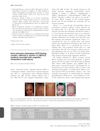
research Novel adenosine triphosphate (ATP)-binding cassette, subfamily A, member 12 (ABCA12) mutations associated with congenital ichthyosiform erythroderma
New ABCA12 gene mutations were linked to a skin condition with scaling and hair loss, and a treatment helped with hair loss in a related case.