Search
for
Sort by
Research
750-780 / 1000+ resultsresearch Clinical and trichoscopic characteristics of temporal triangular alopecia: A multicenter study
Temporal triangular alopecia is a non-scarring hair loss in children, often linked to other health conditions.
research RASopathic alopecia: Hair changes associated with vemurafenib therapy
Vemurafenib therapy can cause hair loss, but clobetasol propionate foam can help regrow hair.
research Reply to: “Updated diagnostic criteria for frontal fibrosing alopecia”
The authors updated the criteria for diagnosing frontal fibrosing alopecia, making it easier to diagnose without a biopsy.
research Folliculitis decalvans responsive to tofacitinib: A case series
Tofacitinib may effectively treat folliculitis decalvans.
research Therapeutic synergy between contact dermatitis from a wig‐fixing device and tofacitinib on alopecia areata
A man's hair regrew from alopecia areata after using tofacitinib and experiencing contact dermatitis from a wig device.
research The role of vitamin D in alopecia areata
Vitamin D might help treat alopecia areata.

research Management of comorbid Crohn's disease and alopecia universalis with upadacitinib and oral minoxidil.
Upadacitinib and oral minoxidil improved Crohn's disease and hair regrowth in a patient.
research Clinical and Dermoscopic Approaches to Diagnosis of Frontal Fibrosing Alopecia: Results From a Multicenter Study of the International Dermoscopy Society
The study concludes that early diagnosis of Frontal Fibrosing Alopecia is important, as it is often found in postmenopausal women, may be related to Lichen Planopilaris, and eyebrow hair loss is a common sign.
research Frontal fibrosing alopecia after antiandrogen hormonal therapy in a male patient
A male patient developed frontal fibrosing alopecia after antiandrogen therapy for prostate cancer.
research Clinical features of primary cicatricial alopecia in Chinese patients
Chinese patients with primary cicatricial alopecia often have folliculitis decalvans, benefit from treatment, but may experience relapse, with dermoscopy being a useful diagnostic tool.

research Apremilast for Lichen Planopilaris and Frontal Fibrosing Alopecia: A Case Series
Apremilast may help treat lichen planopilaris and frontal fibrosing alopecia when other treatments fail.
research Metabolic and Vascular Inflammation in Alopecia Areata: Linking Uric Acid, Lipid Imbalance and ICAM ‐1 Upregulation
Improving blood vessel health and controlling uric acid may help manage alopecia areata.

research Primary cicatricial alopecia
Treatments for permanent hair loss from scarring aim to stop further loss, not regrow hair, and vary by condition, with partial success common.
research Unmasking pseudopelade of Brocq in male adult: a rare case report
Early diagnosis of pseudopelade of Brocq in men is crucial to prevent permanent hair loss.
research Eruptive vellus hair cyst: An uncommon and underdiagnosed entity
Eruptive vellus hair cysts are rare and often misdiagnosed, requiring biopsy for accurate diagnosis.

research A PROSPECTIVE CASE SERIES OF EYEBROWS ALOPECIA AREATA TREATMENT WITH 20% TCA APPLICATION ALONG WITH TOPICAL BIMATOPROST SOLUTION AT SHADAN INSTITUTE OF MEDICAL SCIENCES.
The new treatment showed promise in managing eyebrow hair loss.
research Alopecia Areata

research Alopecia areata: Clinical presentation, diagnosis, and unusual cases
Alopecia areata is a type of hair loss that can lead to complete baldness, often associated with other autoimmune conditions, and half of the cases may see hair return within a year.

research Alopecia Universalis Treated With Tofacitinib: The Role of JAK/STAT Inhibitors in Hair Regrowth
Tofacitinib helped a woman with total-body hair loss grow her hair back.
research Improvement of Psoriasis, Psoriatic Arthritis, and Alopecia Universalis during Treatment with Tofacitinib: A Case Report
Tofacitinib treatment significantly improved a patient's psoriasis, psoriatic arthritis, and alopecia universalis.
research Refractory alopecia areata with single hairs imitating frontal fibrosing alopecia: a prospective observational study
A unique type of hair loss mimics another condition but has minimal inflammation and specific immune cells present.
research Lichen Planus Pigmentosus in North Africa: A Series of 17 Cases
Lichen planus pigmentosus is hard to treat and may be more common in North Africa than previously thought.

research Approved systemic drugs needed for dermatosis like alopecia areata, hidradenitis and vitiligo: A SPIN‐FRT evaluation
More effective treatments are needed for alopecia areata, hidradenitis suppurativa, and vitiligo.
research Reversible alopecia in Vogt-Koyanagi-Harada disease and sympathetic ophthalmia
Alopecia can be reversed with timely steroid treatment in VKH and SO diseases.

research T-Cell Reconstitution after Thymus Xenotransplantation Induces Hair Depigmentation and Loss
T-cell reconstitution after thymus transplantation can cause hair whitening and loss.
research Frontal fibrosing alopecia: a clinical review of 36 patients
Hydroxychloroquine effectively reduces symptoms of frontal fibrosing alopecia, especially in the first 6 months.
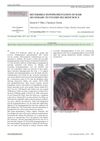
research Reversible hypopigmentation of hair secondary to Vitamin B12 deficiency
Vitamin B12 deficiency can cause reversible hair color loss in children.
research Alopecia areata
research Acromegaloid Facial Appearance: Case Report and Literature Review
The document concludes that AFA should be considered in patients with acromegaly-like features but normal hormone levels, and more cases need to be identified to understand the condition fully.