January 2016 in “Indian dermatology online journal” Frontal fibrosing alopecia causes hair loss at the front hairline, and no effective treatment exists.
 June 2026 in “Clinical Cosmetic and Investigational Dermatology”
 Cell-based therapies offer better repigmentation for larger vitiligo areas, with CD8+ T cell count as a potential biomarker for success.
1 citations
,
July 2024 in “Journal of Investigative Dermatology” VYN201 shows promise as a safe and effective treatment for non-segmental vitiligo.
 August 2021 in “Benha Journal of Applied Sciences”
 Stress can trigger and worsen vitiligo.
9 citations
,
July 2019 in “Dermatologic therapy” Alitretinoin can effectively treat frontal fibrosing alopecia.

Donor lymphocyte infusions effectively treated leukemia relapse but caused vitiligo and alopecia areata.
 3 citations
,
March 2021 in “JAAD case reports”
3 citations
,
March 2021 in “JAAD case reports” Switching from adalimumab to ixekizumab improved a patient's psoriasis and reversed hair whitening.
105 citations
,
March 2014 in “British journal of dermatology/British journal of dermatology, Supplement” Alopecia areata patients often have low vitamin D levels, suggesting they might benefit from vitamin D supplements.
10 citations
,
May 2017 in “Clinical and experimental dermatology” June 2026 in “British Journal of Dermatology” Frontal fibrosing alopecia is linked to thyroid disease, lupus, vitiligo, and heart disease.
7 citations
,
February 2012 in “British Journal of Dermatology” TH antibodies in vitiligo and AA patients recognize the same protein parts.
 September 2023 in “Cureus”
 Topical antibiotics successfully treated a rare scalp condition in an elderly man with vitiligo.
4 citations
,
October 1993 in “Journal of the American Academy of Dermatology” Azelaic acid's effectiveness in treating certain skin conditions needs more research.
August 2022 in “Dermatological Reviews” Vitiligo transplantation surgery is now more efficient, cost-effective, and successful.
 December 2024 in “PubMed”
 A man with a rare disease experienced late hair whitening and loss, but hair color returned, suggesting a good outlook.
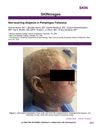 January 2026 in “SKIN The Journal of Cutaneous Medicine”
 Rituximab treatment led to complete hair regrowth and improved skin in a woman with pemphigus foliaceus.
December 2018 in “International journal of women’s dermatology” FFA in young women is often missed, and no single treatment works best.
5 citations
,
June 2012 in “Journal of Investigative Dermatology” A new mouse model for vitiligo helps study immune responses and potential treatments.
52 citations
,
January 2016 in “Brazilian Journal of Medical and Biological Research” Combining glycyrrhizin and UVB light is most effective for improving vitiligo.
6 citations
,
March 2009 in “Pigment Cell & Melanoma Research” A sphingolipid from human placenta may help treat vitiligo by activating melanocyte stem cells.
1 citations
,
May 2016 in “Journal of Cosmetic Dermatology” Cytokeratins 15 and 19 may help track vitiligo treatment progress.
February 2026 in “Indian Dermatology Online Journal” Tofacitinib significantly improved skin and hair conditions without side effects.
March 2023 in “Journal of Cosmetic Dermatology” Trichoscopy is effective for diagnosing scalp ACC in darker skin tones.
 April 2024 in “The Indonesian Biomedical Journal”
 Melanocyte stem cells from non-affected skin in vitiligo patients can become functional melanocytes for potential therapy.
 25 citations
,
December 2008 in “Journal of Dermatological Case Reports”
25 citations
,
December 2008 in “Journal of Dermatological Case Reports” Skin color may change how alopecia areata looks under a dermoscope.
 17 citations
,
November 2018 in “Dermatology”
17 citations
,
November 2018 in “Dermatology” Most patients with frontal fibrosing alopecia had facial bumps, with Hispanic/Latino and premenopausal women being more affected, suggesting a more severe condition.
January 2019 in “Springer eBooks” Combination therapies might work better for some vitiligo patients, but results vary.
1 citations
,
December 2019 in “The Professional Medical Journal” Celiac disease patients often have psoriasis, dermatitis herpetiformis, and alopecia areata, but rarely vitiligo.
23 citations
,
January 1964 in “Archives of Dermatology” Treatment with vitamin A did not improve the child's skin condition.
 2 citations
,
March 2020 in “Skin”
2 citations
,
March 2020 in “Skin” Using cidofovir cream for a rare skin disease can cause skin darkening.