Search
for
Sort by
Research
390-420 / 1000+ results
research Reactive keratin derivatives: A promising strategy for covalent binding to hair
Modified keratin binds better to hair, especially bleached hair.
research Mechanistic Analysis of Human Skin Distribution and Follicular Targeting of Adapalene-Loaded Biodegradable Nanospheres With an Insight Into Hydrogel Matrix Influence, In Vitro Skin Irritation, and In Vivo Tolerability
Researchers developed a nanomedicine for acne treatment that delivers medication with less irritation and is non-irritating for oily skin.
research Activation of Astrocytes <i>in Vitro</i> by Macrophages Polarized with Keratin Biomaterial Treatment
Keratin treatment reduces astrocyte reactivity and inflammation.
research ยาฉดไซโปรเทอโรนอะซเตทปลดปลอยนาน ชนดใชนำมนมะพราวผสมตวทำละลายเปนนำกระสายยา Cyproterone Acetate Sustained-Release Injection Using Mixed Coconut Oil/Solvent as Vehicle
Mixed coconut oil/solvent is suitable for cyproterone acetate injections, but more safety checks are needed.
research Impact of Hydroxyapatite on Gelatin/Oxidized Alginate 3D-Printed Cryogel Scaffolds
5% hydroxyapatite in scaffolds improves bone tissue formation and mechanical properties.

research Development of Novel Cosmetic Base Using Sterol Surfactant. II. Solubilizing of Sparingly Soluble Ultraviolet Ray Absorbers†
Sterol surfactants can effectively dissolve UV ray absorbers.

research COMPARATIVE STUDY OF TWO CONCENTRATIONS (2.5MG/ML AND 5 MG/ML) OF INTRALESIONAL TRIAMCINOLONE ACETONIDE IN THE TREATMENT OF ALOPECIA AREATA
2.5 mg/mL TAC is as effective and safe as 5 mg/mL, but 5 mg/mL may improve hair regrowth and density more.
research Preparation and Characterization of Soluble Wool Keratin for Human Hair Care
CMADK reduces hair damage from bleaching and permanent waving.
research A Novel Crosslinking Approach for Biomanufacturing of a Collagen‐Based Skin Dermal Template
The new collagen template speeds up production and supports skin healing without harmful reactions.
research Abstracts Pt.21
research Homo- and heteropolymer self-assembly of recombinant trichocytic keratins
Recombinant keratins can form useful structures for medical applications, overcoming natural keratin limitations.
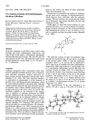
research 17α-Acetoxy-6-bromo-16β-methylpregna-4,6-diene-3,20-dione
A new compound with strong antiandrogenic effects was found, potentially useful for treating conditions like acne and prostate cancer.
research Evolving CRBN ligands enhance the drug-like properties of protein degraders
Improved CRBN ligands make protein degraders more effective and drug-like.

research Failure of intercellular adhesion in hair fibers with regard to hair condition and strain conditions
Hair breaks differently when wet or dry and is affected by its condition and treatments like perms and bleaching.
research Circumventing Mukaiyama oxidation: selective S–O bond formation via sulfenamide–alcohol coupling
A new, efficient method creates sulfinimidate esters from sulfenamides and alcohols without metals.
research Alkylating Agents
Alkylating agents can kill cancer cells but may cause skin and allergic reactions.
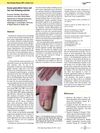
research Excess granulation tissue and hair loss following acitretin
Acitretin can cause excess tissue growth and hair loss.
research The effects of finasteride (FIN) and thioacetamide (TAA) on acetylcholinesterase (AchE) activity in various brain regions.
research Repeatable Perming via Thiol–Michael Click Reaction: Using Amide Derived from Maleic Acid and Cystine
A new perming method is less damaging to hair and works as well as traditional methods.

research Role and application of glycosaminoglycans in trichology and cosmetology
Glycosaminoglycans, found in things like hyaluronic acid, help maintain skin health and stimulate hair growth, and are safe to use topically.
research Protective effect of conditioning agents on Afro‐ethnic hair chemically treated with thioglycolate‐based straightening emulsion
Conditioning agents, especially jojoba oil and lauryl PEG/PPG-18/18 methicone, protect and strengthen chemically straightened Afro-ethnic hair.
research Off-Label Uses of Abrocitinib: Review of Emerging Therapeutic Applications beyond Atopic Dermatitis
Abrocitinib shows promise for treating various skin conditions beyond atopic dermatitis.

research Manufacturing of amber particles suitable for composite fibre melt spinning
Researchers created small amber particles for use in bioactive and biocompatible fibers that could help with skin and hair restoration and are safe for infant clothing.
research Severe pustular lesions induced by topical immunotherapy with squaric acid dibutylester for alopecia totalis
Squaric acid dibutylester can cause severe skin reactions in people with allergies.

research Efficacy, Safety, and Tolerability of Upadacitinib in Adults and Adolescents With Severe Alopecia Areata: Results From the Randomized, Placebo-Controlled, Double-Blind Phase 3 Program (UP-AA)
Upadacitinib effectively treats severe alopecia areata and is safe.
research Effect of injectable calcium alginate-amelogenin hydrogel on macrophage polarization and promotion of jaw bone osteogenesis
The hydrogel helps bone growth and healing in jaw and facial defects.

research Recent Advances in Biodegradable and Biocompatible Synthetic Polymers Used in Skin Wound Healing
New synthetic polymers help improve skin wound healing and can be enhanced by adding natural materials and medicines.

research 52811 A comparative study of pain perception during platelet rich plasma therapy using sodium citrate and acid citrate dextrose-A as anticoagulant
Sodium citrate causes less pain than acid citrate dextrose-A in PRP therapy.

research Discovery of a sol–gel reinforcing the strength of hair structure: mechanisms of action and macroscopic effects on the hair
A small molecule can strengthen fine hair, making it more resistant and natural-feeling.