 9 citations
,
April 2021 in “Expert opinion on pharmacotherapy”
9 citations
,
April 2021 in “Expert opinion on pharmacotherapy” Clascoterone is a new, effective, and safe acne treatment without systemic side effects.
November 2021 in “SPAST Abstracts” The EFH-SLM cream is more effective and gentler for treating excessive hair growth in women.
1 citations
,
December 2020 in “Journal of Cosmetic Dermatology” The cosmetic product effectively reduced hair growth and thickness on forearms.
39 citations
,
January 1980 in “Dermatology” Cyproterone acetate was effective in treating acne, hirsutism, and alopecia with few side effects.
Griseofulvin is still the best treatment for tinea capitis.
 September 2024 in “Polish Journal of Public Health”
 Prescription tablets treat hirsutism, while over-the-counter foams treat hypertrichosis.
 1 citations
,
April 2016 in “The American Journal of the Medical Sciences”
1 citations
,
April 2016 in “The American Journal of the Medical Sciences” The document concludes that doctors should check for frontal fibrosing alopecia in patients with acquired hyperpigmentation and that early treatment is important.
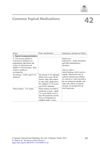 October 2018 in “Springer eBooks”
 The document concludes that various topical medications are effective for skin conditions but often cause skin irritation as a side effect.
 33 citations
,
January 2010 in “International journal of trichology”
33 citations
,
January 2010 in “International journal of trichology” Antimicrobial therapy can help manage Folliculitis Decalvans.
April 2024 in “International Journal Of Medical Science And Clinical Invention” Vitamin D cream significantly reduces acne in people with vitamin D deficiency.
 14 citations
,
February 2021 in “Journal of the European Academy of Dermatology and Venereology”
14 citations
,
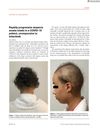
February 2021 in “Journal of the European Academy of Dermatology and Venereology” A COVID-19 patient with severe hair loss did not improve with hair loss medication after stopping and restarting it due to the infection.
 May 2026 in “Journal of the Egyptian Womenʼs Dermatologic Society”
 Intralesional methotrexate effectively treats patchy alopecia areata by reducing inflammation.
June 2026 in “British Journal of Dermatology” JAK inhibitors can cause severe acne, limiting their use for hair regrowth.
July 2024 in “Journal of Investigative Dermatology” PP405 may help hair growth by activating hair follicle stem cells.
9 citations
,
October 1947 in “The Lancet” 1 citations
,
November 1947 in “The Lancet” December 2025 in “Journal of the European Academy of Dermatology and Venereology” The correction does not change the study's main findings.
227 citations
,
April 2023 in “The Lancet” Ritlecitinib effectively treats alopecia areata and is well-tolerated.
 February 2026 in “Trials”
 The Exfoliate-Dissolve-Repair skincare approach may effectively treat keratosis pilaris and reduce the need for corticosteroids.
4 citations
,
June 2017 in “Annales de dermatologie et de vénéréologie” The study found that a specific type of hair loss is increasingly common in premenopausal women and can be effectively diagnosed and treated with various medications.
 8 citations
,
May 1998 in “Journal of Oral and Maxillofacial Surgery”
8 citations
,
May 1998 in “Journal of Oral and Maxillofacial Surgery” Acne is caused by increased sebum, abnormal skin shedding, bacteria, and inflammation, not dirt; treatments vary from creams to antibiotics or isotretinoin, with severe cases needing a dermatologist's care.
July 2022 in “British Journal of Dermatology”  6 citations
,
November 2018 in “Photodiagnosis and Photodynamic Therapy”
6 citations
,
November 2018 in “Photodiagnosis and Photodynamic Therapy” A wearable cap-like device using light therapy reduced scalp skin lesions by 71% and was painless.
 14 citations
,
January 2017 in “Pharmacological Reports”
14 citations
,
January 2017 in “Pharmacological Reports” TP0427736 may help treat hair loss by blocking a specific protein and promoting hair growth.
 232 citations
,
June 1975 in “Journal of Steroid Biochemistry”
232 citations
,
June 1975 in “Journal of Steroid Biochemistry” Cyproterone acetate is effective for acne but less so for hirsutism and alopecia, with some side effects and quick menstrual cycle recovery after treatment.
Retinoids or their analogs could treat skin pigmentation disorders like melasma and vitiligo.
 March 2025 in “International Journal of Trichology”
 FAPD in children may not depend on androgens and should be treated with anti-inflammatory measures and minoxidil.
 1 citations
,
January 1989 in “Journal of The American Academy of Dermatology”
1 citations
,
January 1989 in “Journal of The American Academy of Dermatology” The conclusion is that proper communication about the realistic effects of hair loss and skin aging treatments can improve dermatologists' credibility.
6 citations
,
July 2004 in “JDDG Journal der Deutschen Dermatologischen Gesellschaft” Frontal fibrosing alopecia in postmenopausal women can be managed with early treatment using corticosteroids to stop hair loss.
32 citations
,
March 1988 in “International Journal of Dermatology” Retinoids can help treat skin disorders by improving the skin's outer layer.